A HUGE INVESTMENT: A closer look at Tony Beets’ $5 MILLION worth of equipment.
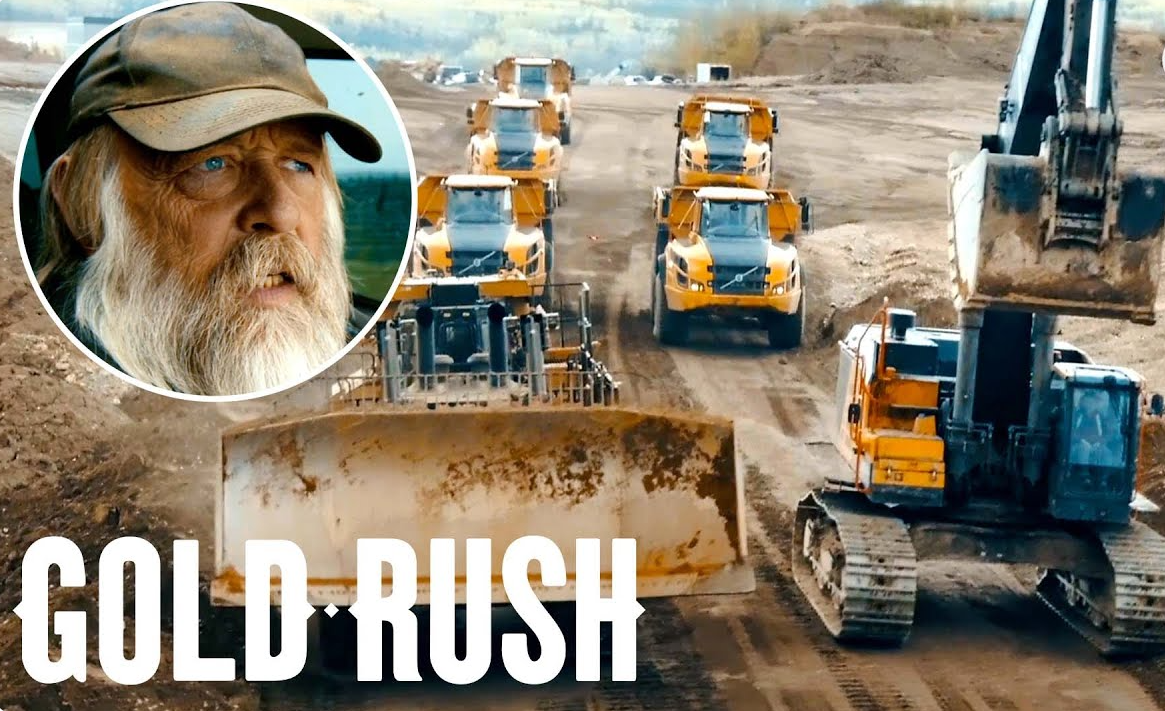
In the high-stakes world of gold mining, few operators rival Tony Beets for sheer scale and ambition. Known as the “King of the Klondike,” Beets has long combined experience, technical expertise, and an instinct for risk to dominate his Yukon claims. This season, the spotlight has shifted to one of his most ambitious moves yet: a reported $5 million investment in equipment aimed at optimizing extraction, efficiency, and ultimately, profitability. From a Gold Rush analyst’s perspective, this is not just a purchase—it is a strategic maneuver with implications for operations, crew dynamics, and the entire season’s storyline.
Beets’ new investment spans heavy machinery, wash plants, dozers, and support equipment designed to tackle some of the richest and most challenging claims he operates. For veteran fans of the show, these additions are more than tools—they are a signal of intent. By pouring millions into equipment upgrades, Beets is essentially doubling down on a high-risk, high-reward strategy that leverages both his operational expertise and financial backing. Such scale is rarely seen outside the most professionalized mining enterprises, and it immediately sets him apart from many competitors.
From a technical standpoint, the investment is transformative. Modern wash plants and sluicing systems can process larger volumes of pay dirt at higher efficiency rates, while upgraded dozers and excavators reduce downtime and improve precision in challenging terrain. The $5 million allocation allows Beets to run multiple operations simultaneously, minimizing idle time and maximizing gold recovery. Analysts watching his operations note that, unlike smaller operators, Beets’ machinery enables him to respond to environmental challenges, seasonal constraints, and ground variability in real time—an advantage critical in late-season extractions when weather and thaw cycles dictate productivity.
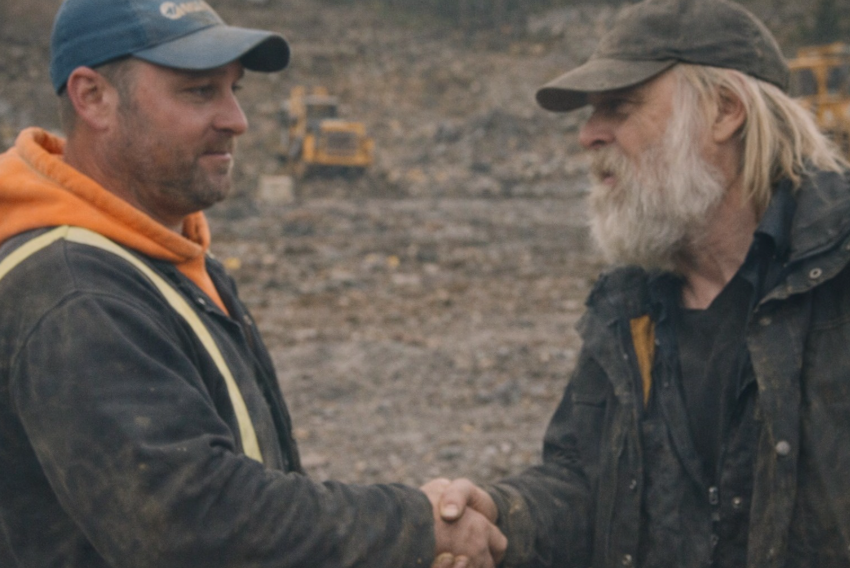
Financially, the move is bold. Heavy mining equipment depreciates rapidly, and maintenance costs are substantial. Yet Beets’ track record suggests a calculated approach: the equipment is not simply for short-term gain but positioned to deliver consistent performance across multiple claims, ensuring cumulative revenue far exceeds initial investment. From a television analysis perspective, this creates tension and narrative stakes. Each piece of machinery carries risk; a breakdown, misalignment, or human error can instantly transform a multi-million-dollar operation into a logistical nightmare. This is classic Gold Rush storytelling: the interplay between capital, risk, and human resource management drives both viewer engagement and dramatic tension.
Crew dynamics are another critical aspect. Operating $5 million worth of equipment requires coordination, expertise, and trust. Beets’ crew, often composed of family members and long-time miners, must manage complex machinery while adhering to tight schedules. For the series’ narrative, this opens multiple avenues for drama: equipment failures, skill gaps, and coordination challenges can lead to conflict, learning moments, and moments of triumph. Analysts anticipate that the season will highlight not just the machinery itself, but the human skill needed to keep it operational and profitable.
Predicting the potential outcomes of this investment, several scenarios emerge. At best, the equipment allows Beets to hit or exceed gold recovery targets, solidifying his dominance on Indian River and other claims. Such efficiency would demonstrate the advantages of scale and investment, potentially inspiring other miners to adopt similar strategies—or conversely, to illustrate the unattainable standard set by someone with unparalleled resources. From a production perspective, this success translates into compelling television: viewers are captivated by large-scale operations, fast-paced recovery, and visible returns on high-cost machinery.
Conversely, risks remain significant. Mechanical failure, operator error, or environmental constraints can drastically reduce returns. Equipment of this scale requires continuous monitoring, expert handling, and contingency planning. Even minor delays—such as a broken conveyor or hydraulic system malfunction—can cost tens of thousands of dollars per day in lost processing. Analysts predict that the season will likely document both the peaks and valleys of Beets’ operations, balancing technical achievement with the ever-present threat of operational setbacks.

Strategically, the investment also positions Beets for long-term advantage. By expanding processing capacity and operational reach, he can access claims more efficiently than competitors, consolidate high-value material, and leverage his scale to negotiate contracts, manage crews, and optimize logistics. This mirrors broader business principles: capital-intensive investments create barriers to entry and enable dominant players to maintain control over resource-rich areas. For viewers, the narrative parallels high-stakes finance, risk management, and operational mastery, adding depth beyond the extraction of gold itself.
Finally, this investment affects the season’s story arc. In Gold Rush, machinery is not merely equipment; it becomes a character. Each new plant, dozer, or sluice has narrative weight, influencing decisions, conflict, and timing. Beets’ $5 million arsenal represents both power and vulnerability, a visible representation of his ambition and the season’s stakes. Analysts expect the episodes to emphasize this duality: triumphs achieved through machinery and expertise, and tension created by the very same tools that can fail or require costly repair.
In conclusion, Tony Beets’ $5 million equipment investment is more than a purchase—it is a strategic, operational, and narrative milestone. From an analyst’s viewpoint, it illustrates the benefits and risks of scaling mining operations to professional levels, the importance of human expertise in managing advanced machinery, and the dramatic potential such investments bring to Gold Rush. As the season unfolds, viewers can expect a story of ambition, skill, and tension, with each piece of equipment serving as a symbol of both opportunity and challenge in the pursuit of Yukon gold.