A Visit That Stops Parker in His Tracks: Parker Finds a Mine That Could Change Everything
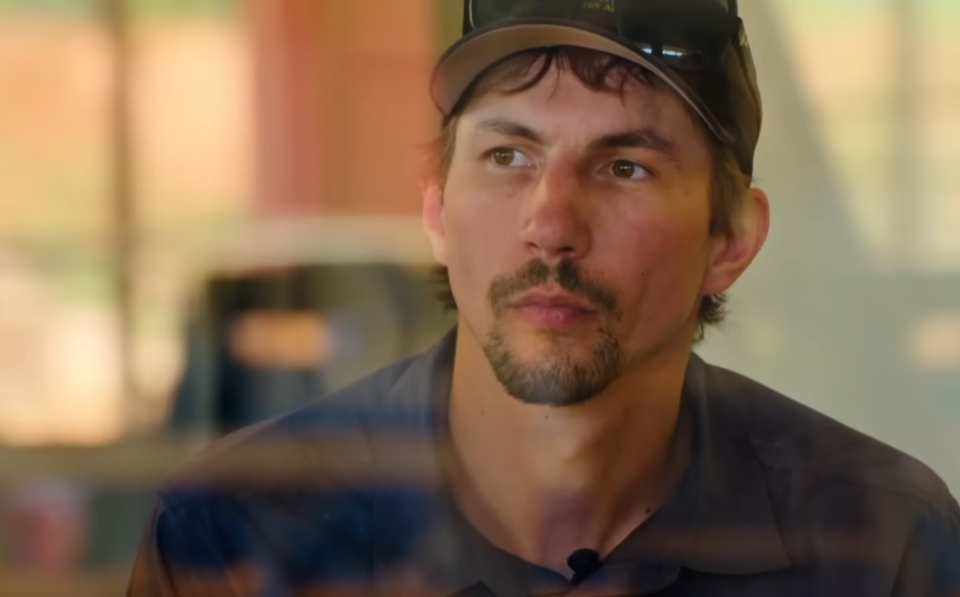
Parker Schnabel has seen plenty of gold operations across the world, but his visit to a $400 million hard-rock mine in Brazil leaves him facing a very different scale of opportunity. In Gold Rush: Parker’s Trail, the young miner steps away from placer mining and enters a world where geology, chemistry and industrial discipline turn buried rock into 99.9% pure gold bars.
The mine is located near Poconé, a region known for major gold deposits and more than 30 mining operations. Unlike the Yukon, where Parker’s crews chase pay dirt through frozen ground, this Brazilian operation follows gold locked inside quartz veins created by ancient geological activity. The result is a mine that works less like a seasonal race and more like a long-term industrial machine.
Inside the Salinas Gold Mine
The Salinas Gold Mine is presented as the largest operation in the area, covering around 1,200 acres and employing more than 600 people. For Parker, that size alone is enough to command attention. But what impresses him most is the system behind it.
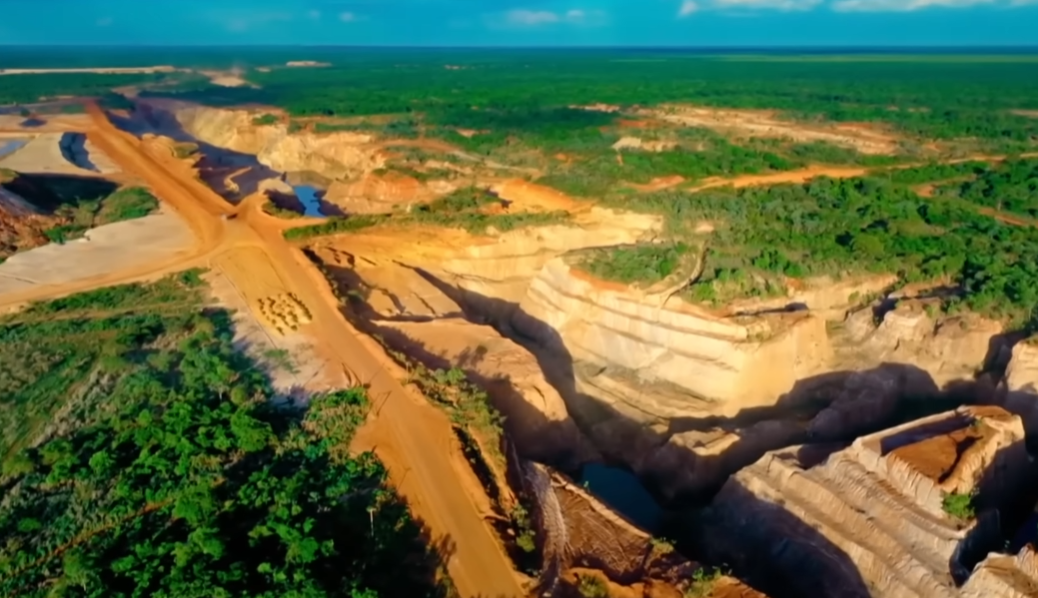
The mine processes roughly 11,000 tons of rock per day. Because the local rock is softer than many traditional hard-rock sites, the operation can reduce blasting costs and move material more efficiently. That gives the mine a crucial advantage: scale without the same level of constant destruction often associated with harder rock environments.
The Method Behind the Gold
The most striking part of the visit comes when Parker sees how the mine extracts gold. Instead of using mercury, the operation relies on a cyanide-based process designed to dissolve and recover gold from crushed rock. The mine’s team presents the method as a controlled and safer alternative when handled under strict industrial standards.
That change has reportedly pushed recovery rates from around 90% to 98%, a major improvement in a business where every percentage point can mean millions. For Parker, the lesson is clear. Modern mining is not only about finding gold. It is about recovering as much of it as possible without wasting the resource.
From Rock to 99.9% Pure Bars
After the ore is processed, the final stage delivers the image that gives the episode its power: molten gold poured into molds and transformed into bars with 99.9% purity. It is a clean, controlled finish to a process that begins deep underground.
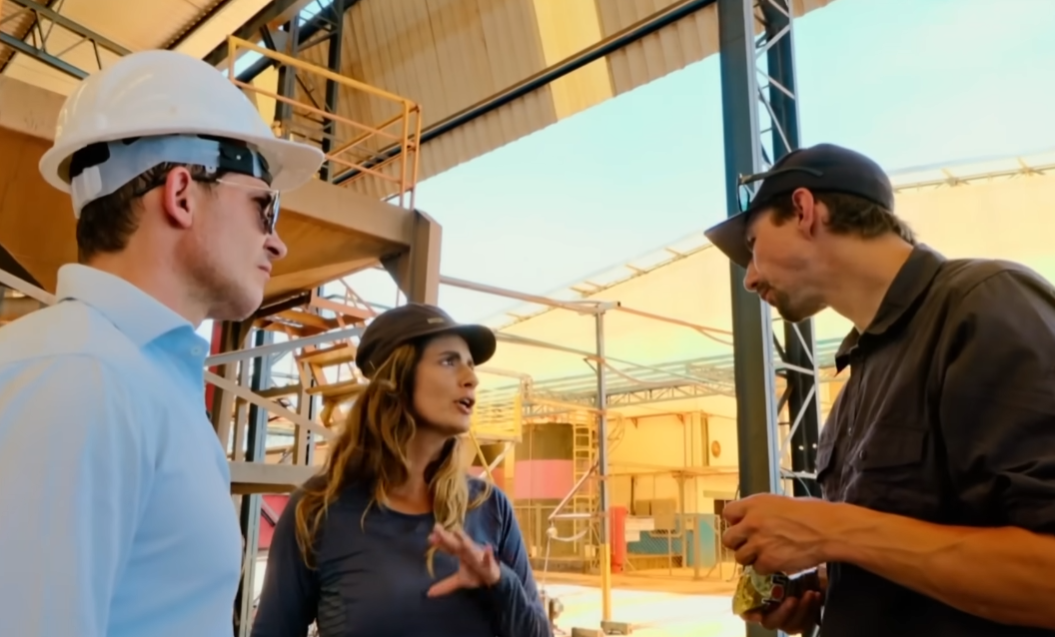
For viewers used to Parker’s wash plants in the Yukon, the contrast is striking. In placer mining, gold often appears as flakes, nuggets or concentrate recovered from gravel. In Brazil, the journey ends with polished bars that look less like a field recovery and more like a global commodity ready for market.
A $400 Million Question
The visit becomes more than a tour when talk turns toward possible investment. A $400 million figure changes the tone immediately. This is not a small claim or a seasonal cut. It is a massive commitment that would require partners, long-term planning and a willingness to operate in a more complex mining world.
Parker’s interest is obvious. He has spent years expanding his knowledge beyond the Yukon, and Brazil offers something different: a chance to understand hard-rock mining at serious scale. But the size of the opportunity also carries major pressure. Entering this world would mean bigger capital, more regulation, deeper technical demands and far less room for instinct alone.
Why This Moment Matters
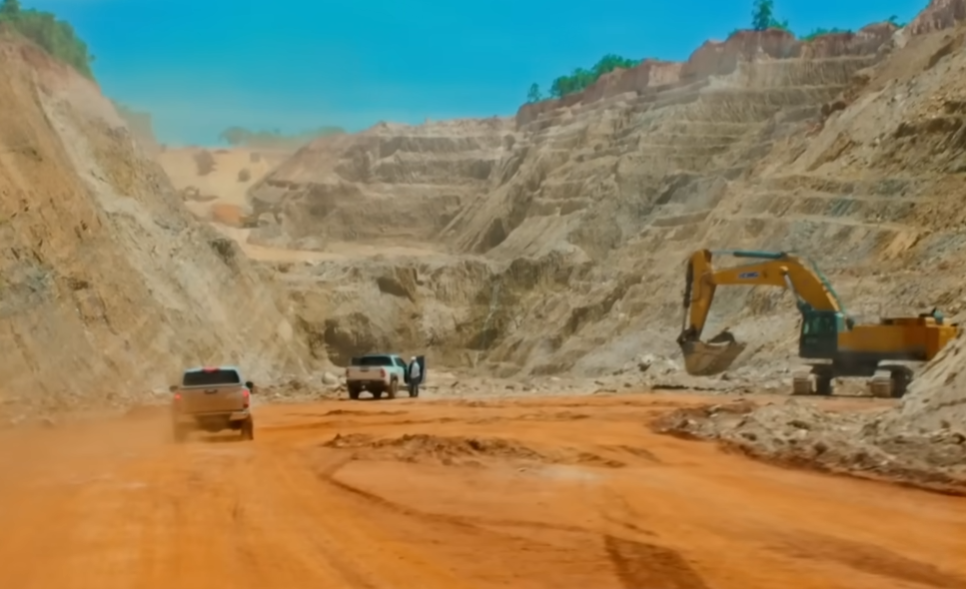
The episode works because it shows Parker standing at a crossroads. He is not just watching another miner’s success. He is studying a possible future for himself. The Salinas operation proves that gold mining can be far bigger, cleaner and more technical than the muddy cuts that made him famous.
By the end, the mine feels less like a destination and more like a warning. The gold is real. The technology is impressive. The profits could be enormous. But for Parker Schnabel, the unanswered question remains: is this the next step in his mining career, or a world too big to enter without risking everything he has already built?