An unexpected gift: Rick Ness discovers a massive oil well while mining for gold.
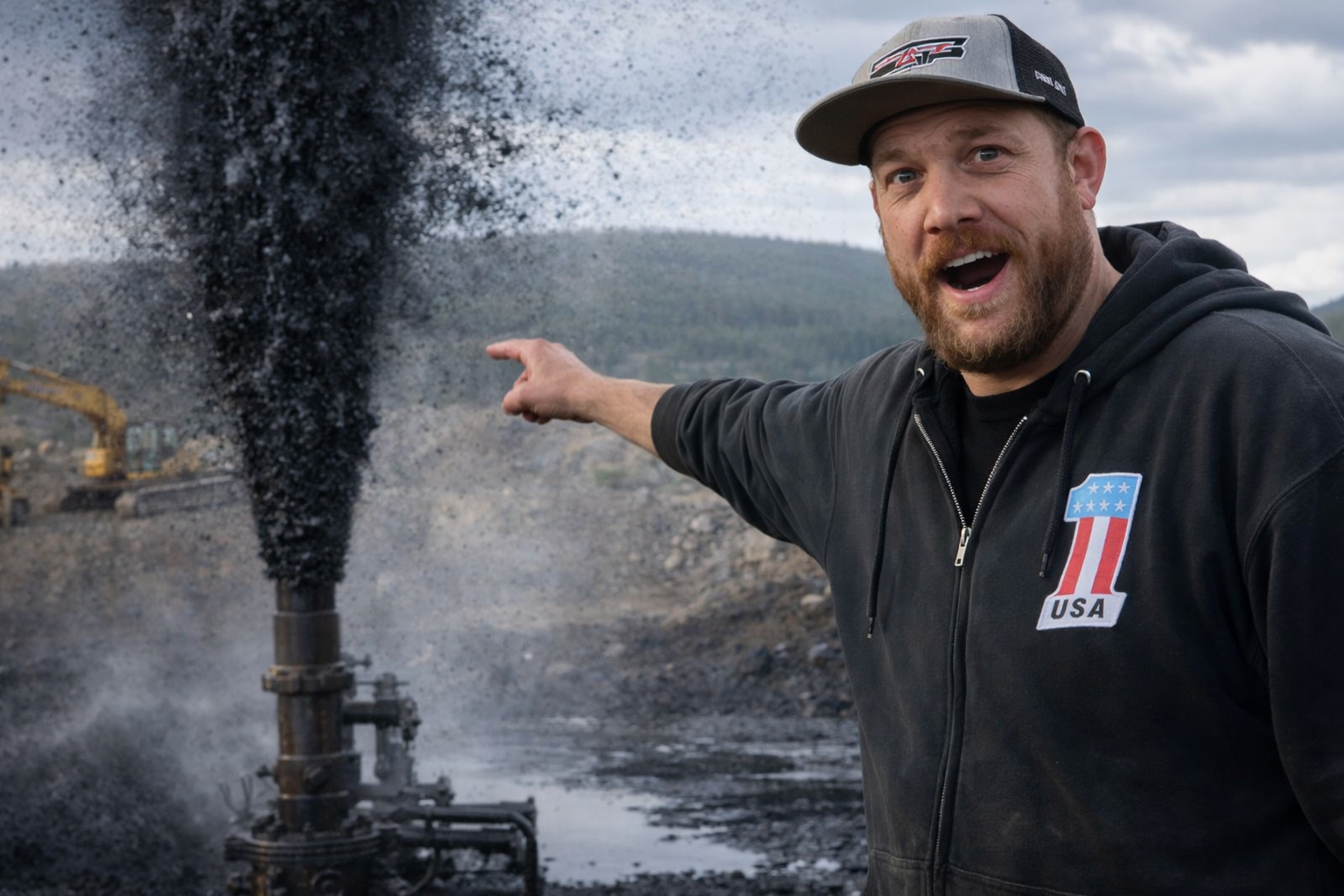
For years, Rick Ness has been defined by one thing on Gold Rush: the relentless search for gold. His story has never been simple. It has involved financial pressure, broken equipment, missed targets, difficult ground, and the constant burden of proving that he belongs among the biggest names in Yukon mining. But the idea that Rick could discover a massive oil well while digging for gold would represent one of the most unusual twists the series has ever seen.
On the surface, the discovery sounds like a gift. A miner searching for gold suddenly uncovers something that could be worth far more than a single season’s clean-up. For Rick, who has often operated with tighter margins than Parker Schnabel or Tony Beets, an oil discovery would immediately change the scale of the conversation. Instead of asking whether he can keep his operation alive, fans would begin asking whether he has accidentally stepped into an entirely new industry.
But from an analyst’s perspective, this would not be a simple success story. In fact, it could create more problems than solutions.
The first question is ownership. In gold mining, Rick’s rights would usually be tied to specific mineral claims and mining permissions. Oil, however, is a different category of resource. Finding it beneath the ground does not automatically mean the miner controls it. The rights could belong to another company, the government, a private landholder, or an energy firm that already holds subsurface privileges. That means Rick’s discovery might place him at the center of a legal and commercial process far larger than his mining crew.

For Gold Rush, that would be compelling television because it would move the show beyond the familiar rhythm of wash plants, pay dirt, breakdowns, and weigh-ins. The story would become part mining puzzle, part business test. Rick would need lawyers, surveyors, environmental consultants, and possibly negotiations with outside companies. Viewers who are used to watching sluice runs and gold totals would suddenly be pulled into a very different kind of resource battle.
The second question is whether Rick would even want to pursue it. His identity on the show is not built around oil. He is a gold miner, and much of his appeal comes from watching him fight through the same kind of hands-on challenges that define placer mining. An oil well could be worth a fortune on paper, but developing it would require infrastructure, permits, expertise, and capital far beyond a normal Gold Rush operation. Rick would have to decide whether the discovery is a real opportunity or a distraction that could pull him away from the season’s original goal.
That is where the emotional side of the storyline would become important. Rick Ness has often been portrayed as a man trying to rebuild momentum. When things go wrong, the pressure feels personal because he does not have the same cushion as some of his rivals. If a huge oil find appeared in the middle of his season, it could feel like a once-in-a-lifetime chance. But it could also test his judgment. Does he pause the gold operation to investigate it? Does he bring in investors? Does he sell the information to a larger company? Or does he protect the claim and wait until the mining season is over?
The crew dynamic would also change quickly. A normal gold discovery brings excitement because everyone understands the path from ground to gold room. Oil is different. The crew might see the discovery as a ticket to financial security, but they would also know that it could stop production, delay paydays, and bring outsiders onto the claim. Some workers might want Rick to stay focused on the gold target. Others might push him to explore the new find before someone else moves in.
This is exactly the kind of tension Gold Rush thrives on. The series works best when a single decision can affect the whole season. Rick would not just be choosing where to dig next. He would be choosing what kind of future he wants.
There is also the question of how Parker Schnabel and Tony Beets would react. Parker, known for sharp business thinking and aggressive expansion, would likely see the discovery through the lens of value and strategy. He might not be interested in oil directly, but he would understand that Rick had found something that could shift his financial position. Tony, with his long experience in land, machinery, and mining assets, would probably view it more bluntly: a resource is only valuable if you can control it, develop it, or sell it.
Their reactions would matter because Gold Rush has always used rivalry as a measuring stick. Rick has spent years being compared to the larger operations around him. An oil discovery could suddenly put him in a position where his rivals are no longer just competing with him for gold totals. They are watching him handle a business opportunity that could redefine his place in the mining world.
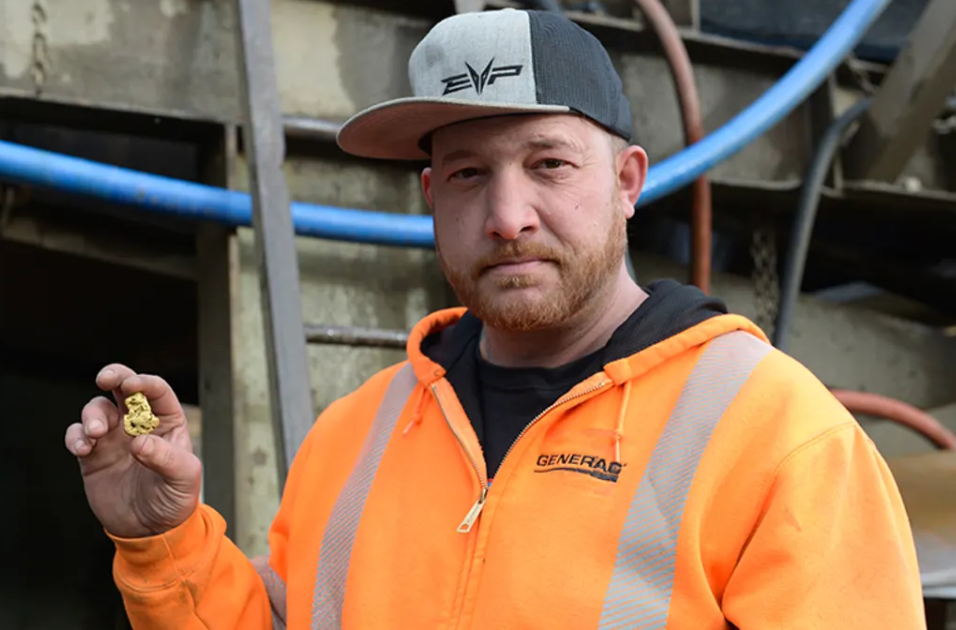
Still, the most likely outcome is not instant wealth. The more realistic storyline would involve uncertainty. Initial excitement would be followed by testing, delays, paperwork, and expert assessments. The show could build several episodes around the question of whether the well is truly commercial or merely a promising sign underground. This would give producers a strong arc: discovery, hope, investigation, conflict, and then a final decision about whether Rick can turn the find into something real.
From a production standpoint, this storyline would be a major shift for Gold Rush. It would bring a new visual language to the show: drilling assessments, geological maps, sealed-off areas, environmental checks, and tense meetings with officials. But the core theme would remain familiar. Rick Ness would still be facing the same question he has faced for years: can he turn opportunity into results?
If handled carefully, the oil well discovery could become one of Rick’s most memorable storylines. Not because it guarantees a fortune, but because it forces him to think beyond the gold pan. It would test his patience, his leadership, and his ability to make a decision when the ground beneath him offers something no one expected.
For Rick Ness, the real treasure might not be the oil itself. It might be the chance to prove that he can handle a breakthrough bigger than anything his crew set out to find.