From Setbacks to Survival: Rick Ness’ Turning Point in The King of Kino
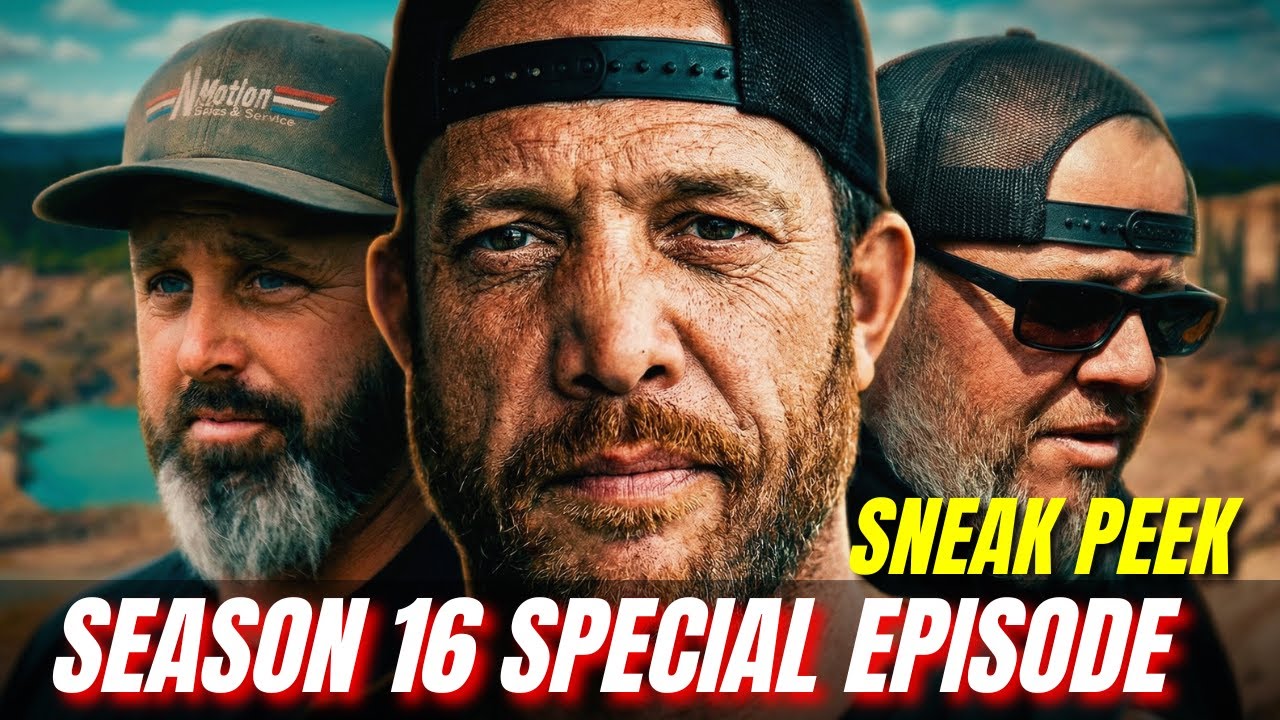
Season 16 of Gold Rush has been shaped by relentless pressure, rising gold prices, and increasingly unforgiving decisions. Yet no miner’s journey has been as uncertain or emotionally exposed as that of Rick Ness. While rival crews push ahead with scale and momentum, Rick’s season has unfolded as a prolonged test of endurance, leadership, and belief in himself. The special episode The King of Kino places that struggle front and centre, offering the most intimate portrait yet of a miner fighting to stay afloat.
Unlike the main episodes that cut rapidly between multiple operations, The King of Kino deliberately slows the pace. The focus remains fixed on Rick and the weight of every choice he makes. In structure, it mirrors earlier season specials such as No Days Off, which chronicled Parker Schnabel’s relentless expansion. But the contrast is striking. Where Parker’s story was about growth and control, Rick’s is about survival—about finding a way forward when almost every path appears blocked.
Rick’s problems began before the season truly started. Without a valid water permit, he was forced to abandon Duncan Creek, losing precious weeks while costs continued to mount. Heavy equipment leases, fuel, wages, camp logistics—all continued draining resources with no gold coming in. Time, the one thing miners can never afford to lose, slipped away daily.
Under mounting pressure, Rick made a last-ditch agreement with landowner Troy Taylor to mine at Lightning Creek. The move was born out of necessity rather than confidence. Before the first cut was even fully stripped, expenses piled up. Machinery broke down. Terrain proved hostile. And when gold finally appeared in the sluice boxes, the results were deeply underwhelming. Lightning Creek simply lacked the consistent pay Rick needed to justify the investment.

Walking away, however, came with its own cost. Abandoning Lightning Creek meant accepting that weeks of labour and substantial capital would never be recovered. The decision weighed heavily, not just financially but personally. Rick carried the knowledge that every misstep affected his crew as much as himself. Morale dipped. Doubt crept in. Leadership under these conditions becomes as much an emotional burden as a practical one.
Then came a turning point. Rick’s long-awaited water permit for Vegas Valley was finally renewed, allowing a return to Duncan Creek. The news offered cautious optimism, grounded in geological data and prior results that suggested more reliable ground. Yet the move required sacrificing any remaining hope that Lightning Creek might still deliver. Rick chose certainty over pride and pulled out, redirecting his operation back to familiar territory.
Even there, relief was short-lived. Gold production lagged behind expectations, and more troubling issues emerged. Steep pit walls and unstable ground created serious safety concerns. A collapse could have catastrophic consequences, not only for equipment but for lives. Inspectors loomed, and the possibility of a forced shutdown hung over the site. To address the danger, Rick faced another difficult decision: invest weeks widening the pit and stabilising the walls, or search for new ground that might offer quicker returns before winter closed in.
That internal conflict drives the heart of The King of Kino. In one of the episode’s most symbolic moments, Rick makes a midnight run to stake new ground—an act driven by instinct, urgency, and refusal to surrender. It is less about optimism than necessity, a miner placing faith in experience when calculations alone offer no clear answer.
At the same time, fortune briefly smiles on the crew. During routine maintenance on the wash plant Monster Red, they uncover a significant amount of trapped gold hidden within the machinery. The discovery provides more than ounces; it restores morale. It reminds the team that even in bleak stretches, opportunity can still surface unexpectedly.
As the episode unfolds, tension builds through accumulation rather than spectacle. Every decision Rick makes carries consequences. Each path forward involves sacrifice. The episode does not promise resolution, only honesty. It shows what mining looks like when resilience, not expansion, becomes the defining goal.
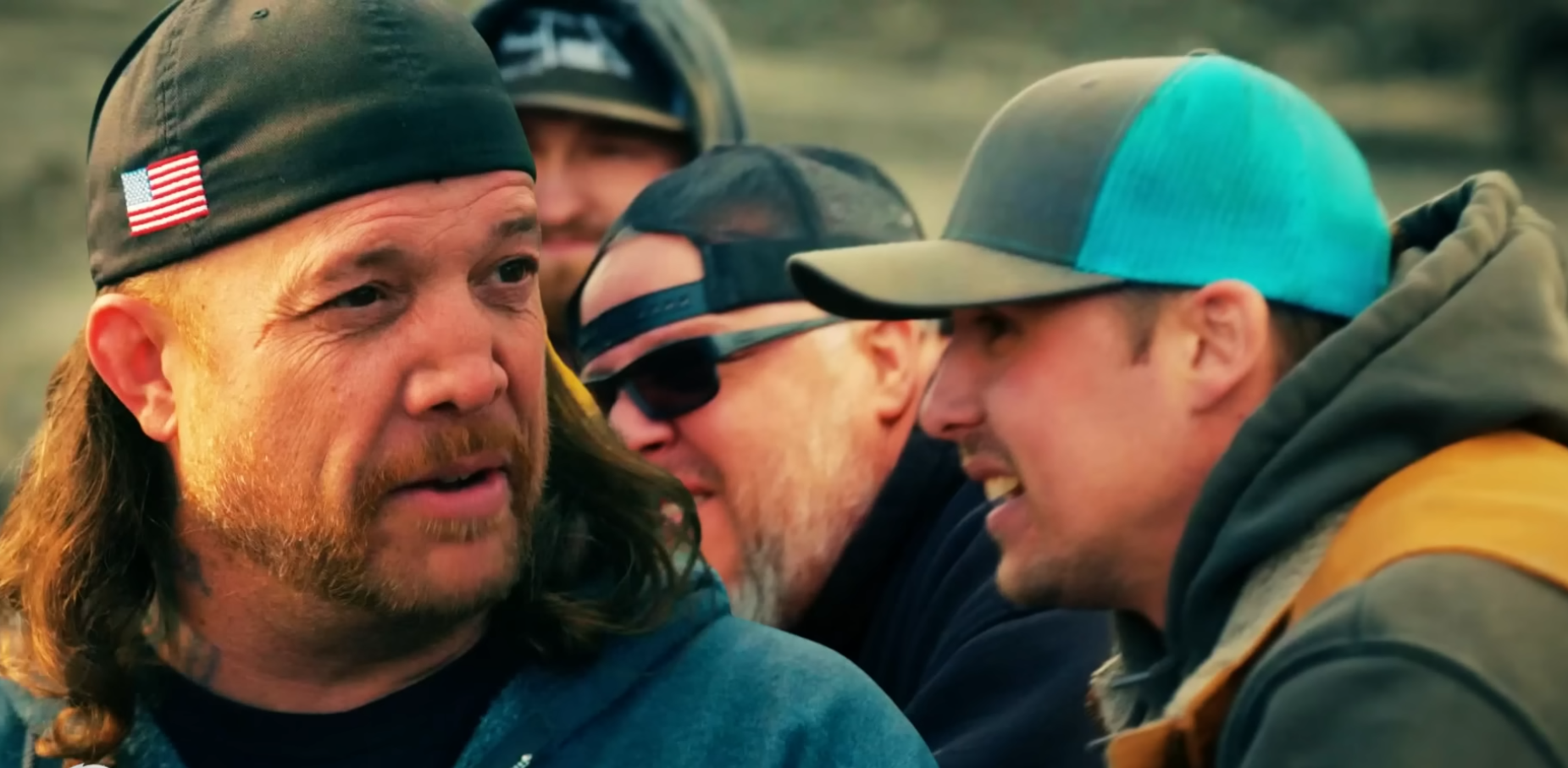
Within the wider context of Season 16, Rick’s struggle stands in sharp contrast to the operations of Parker Schnabel and Tony Beets. Parker continues to push scale and output, while Tony leans on experience, innovation, and family trust to chase another formidable season. Rick, meanwhile, fights simply to remain competitive.
That balance is what makes this season compelling. With gold prices at historic highs, every ounce carries amplified importance. Margins tighten. Errors multiply. The line between success and failure grows thinner with each passing week.
The King of Kino captures that reality with rare clarity. It is not a story about dominance or record totals, but about perseverance when certainty disappears. For Rick Ness, it may mark the turning point he has been seeking—or a reminder of how unforgiving the Klondike can be.
As Season 16 reaches its midpoint, one truth stands out: the most decisive moments are still ahead. And for Rick Ness, the fight is far from over.