Gold Hits All-Time Highs in 2026: How Many Millions Does Parker Schnabel Actually Pocket After ‘Monster’ Expenses?
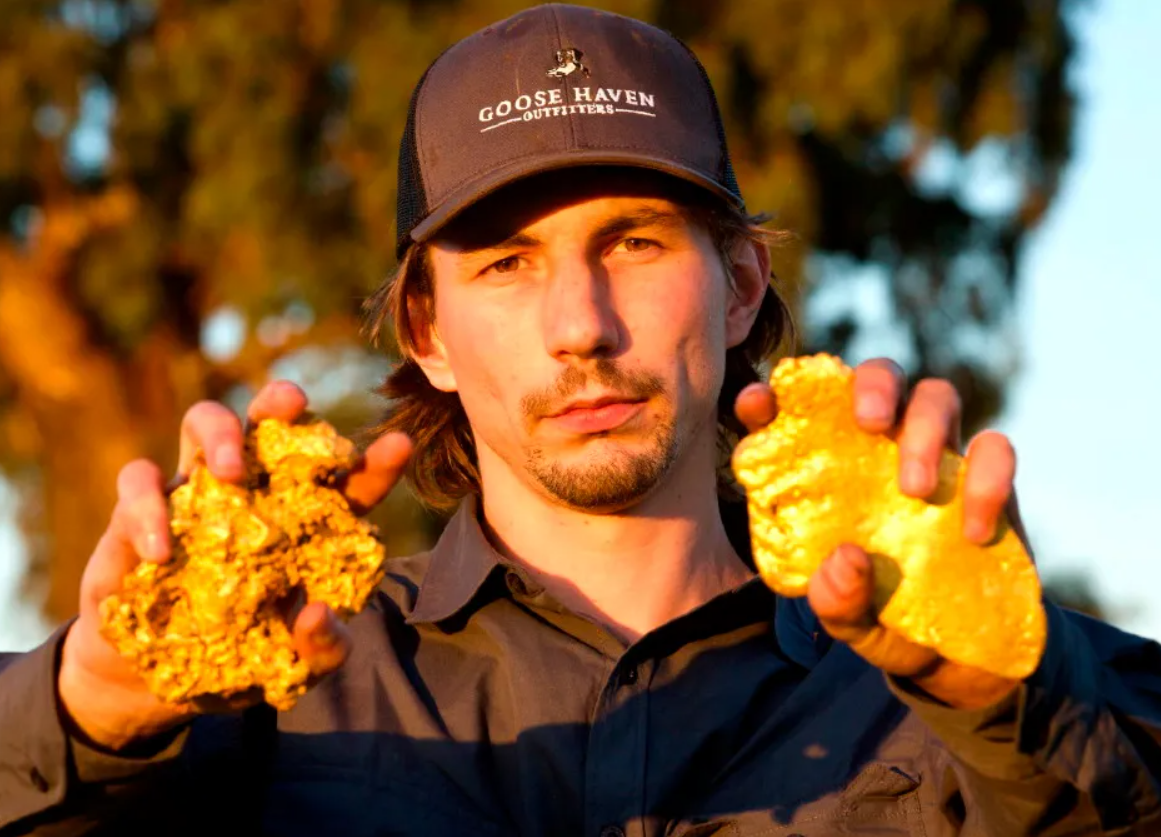
With global gold prices shattering records and hitting historic peaks in the first half of 2026, the scoreboard on Gold Rush Season 16 looks more glittering than ever. Fans watching worldwide were left breathless by the final tallies, especially after Parker Schnabel wrapped up the season with a staggering gross haul of $42 million in gold.
On television, watching thousands of ounces of raw gold pour out of a sluice box feels like witnessing pure profit. However, in the high-stakes world of industrial placer mining, revenue is a vanity metric; net profit is the sanity. Beneath the glitz of the gold room lies a brutal financial reality. When you factor in the “monster” overhead of fuel, labor, equipment depreciation, and land royalties, how many millions does the King of the Klondike actually pocket? Let’s break down the reality of a modern Yukon mining ledger.
The Fuel Tax: The Blood of the Fleet
To extract $42 million worth of gold, you have to move millions of cubic yards of frozen earth. That requires a relentless, 24-hour synchronized dance of 70-ton excavators, massive D10 bulldozers, and rock trucks—all powered by diesel.
In 2026, fuel prices remain one of the heaviest anchors on mining margins. A large-scale operation like Parker’s at Dominion Creek burns through thousands of gallons of diesel a day. Industry experts estimate that fuel costs alone consume roughly 25% to 30% of a major Yukon mine’s gross revenue. For Parker, that means a staggering $10.5 million to $12.6 million vanished directly into the fuel tanks of his fleet before a single ounce of profit could be realized.

The Labor Premium: Paying for the Best
Placer mining is nothing without skilled operators, and in the Yukon, labor isn’t cheap. Following the dramatic crew “desertions” and high turnover rates seen in Season 16, the premium for elite heavy-equipment operators and master mechanics has skyrocketed.
To maintain a crew capable of running 24-hour shifts under extreme stress, Parker has to pay top-tier hourly wages, overtime, and substantial end-of-season bonuses based on gold performance. When you add the cost of camp logistics—feeding, housing, and insuring a crew of dozens of workers in a remote wilderness—labor costs easily eat up another 15% to 20% of the total haul, translating to roughly $6.3 million to $8.4 million.
The Silent Killers: Royalties and Equipment Depreciation
Unlike his rival Tony Beets, who owns vast tracts of virgin ground, Parker has historically operated heavily on leased land, which subjects him to royalties. Even on newly acquired ground like Dominion Creek, land payments and percentage cuts to original claim owners can shave off 10% to 15% ($4.2 million to $6.3 million) of the gross gold weight right off the top.
Then comes the iron. A million-dollar wash plant like “Slucifer” doesn’t just run; it grinds itself to pieces. The cost of replacement parts, heavy-duty tires, hydraulic fluid, and the inevitable depreciation of a multi-million dollar fleet accounts for at least another 10% ($4.2 million) in ongoing capital expenditure.

The Financial Verdict: The True Net Profit
When we compile the ledger as a forensic accountant, the “monster” expenses strip away the illusion of easy wealth:
| Financial Metric | Estimated Percentage | Estimated Cost (USD) |
| Gross Gold Revenue | 100% | $42,000,000 |
| Fuel & Fluids | ~28% | ($11,760,000) |
| Labor & Camp Overhead | ~18% | ($7,560,000) |
| Land Royalties / Acquisitions | ~12% | ($5,040,000) |
| Equipment Maintenance & CapEx | _ ~10% | ($4,200,000) |
| Total Operating Expenses | ~68% | ($28,560,000) |
After subtracting an estimated $28.5 million in operating costs, Parker Schnabel’s actual net operating profit hovers around $13.4 million.
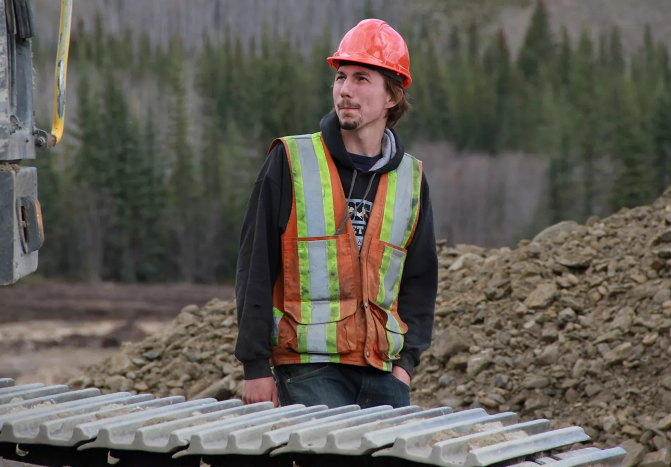
While a $13.4 million take-home pay is undeniably a massive fortune, it represents a net profit margin of roughly 32%. In a business where a single bad safety violation, a collapsed tailing dam, or a sudden drop in the price of gold can wipe out millions overnight, that margin is incredibly tight.
Parker Schnabel is indeed a multimillionaire, but he isn’t just counting gold—he is managing a high-risk, low-margin corporate beast. The gold may be shiny, but the math behind it is cold and hard.