Gold Rush Fans Ask: What Is the Real Pay Like on Tony Beets’ Crew?
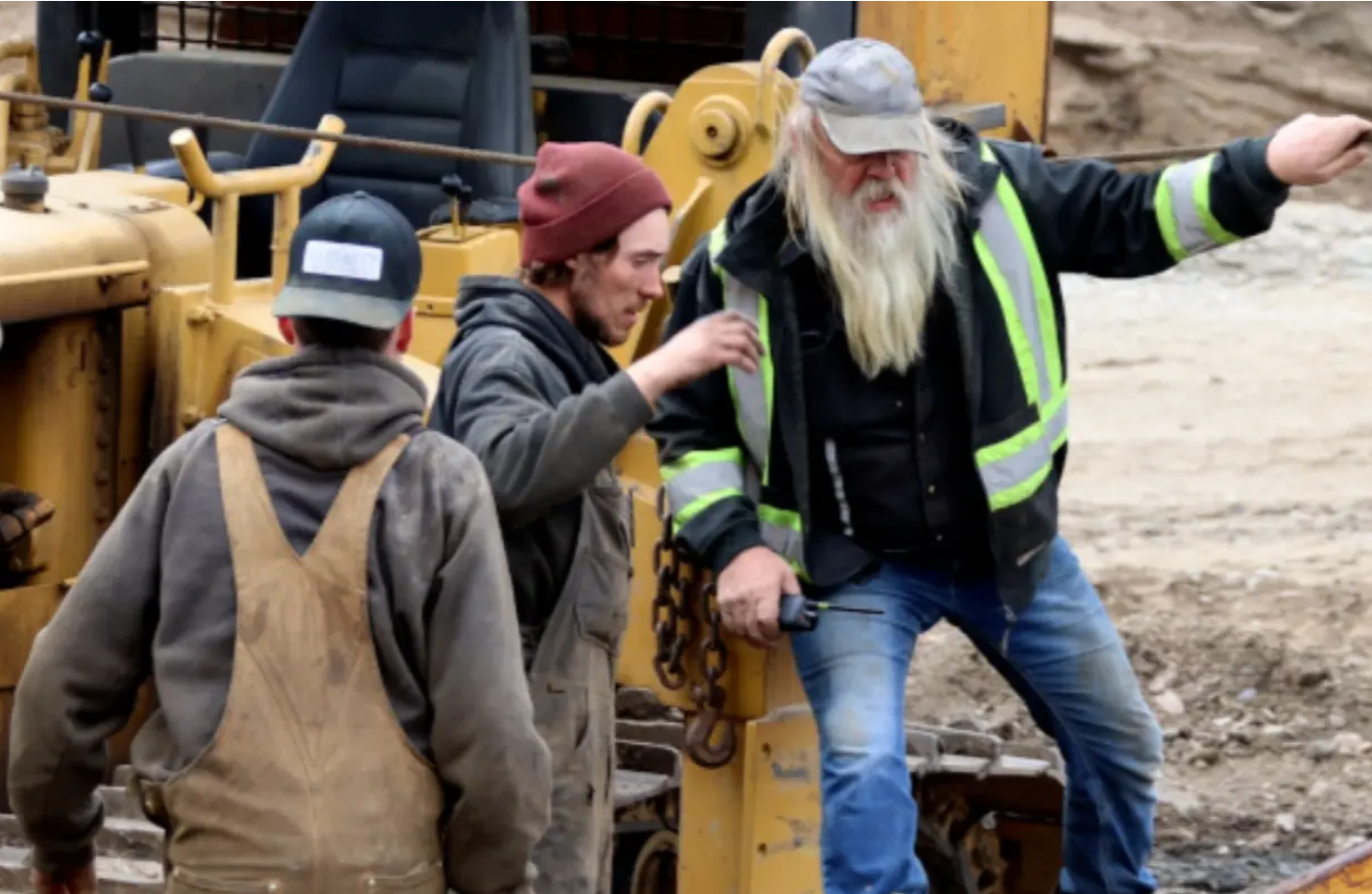
For more than a decade, Gold Rush has offered viewers a rare look into the high-stakes, physically demanding, and unpredictable world of gold mining. Among its most iconic figures stands Tony Beets — the gravel-voiced Dutch-Canadian miner whose no-nonsense leadership, massive operations, and multigenerational family business have turned him into a standout star of the series. As his equipment grows larger and his ambitions expand each season, so too does public curiosity about the salaries earned by the men and women who keep his mining empire running.
Recent insights suggest that working for Beets is not only challenging, but also relatively lucrative by mining-industry standards. According to accounts shared by former crew members and information referenced by fellow Gold Rush miner Parker Schnabel, the average wages on Team Beets hover around $34 per hour, with experienced hands earning up to $56 per hour for highly specialized roles. These figures, combined with the long hours typical of Yukon mining seasons, translate into substantial seasonal earnings.
Crew members frequently record workweeks of 60 to 75 hours, driven by the short mining season and the urgent need to maximize production before winter closes in. This workload means some miners accumulate significant overtime, often paid at enhanced rates. For comparison, Schnabel previously disclosed that entry-level rock truck drivers in 2021 earned $28 CAD per hour, with overtime paid at approximately $42 CAD per hour. A 75-hour week at those rates would push earnings to nearly $1,500 weekly before bonuses — a benchmark that places Beets’s crew earnings firmly within the upper range of industry norms.

While Tony Beets himself does not publicly disclose salary information, long-time Gold Rush viewers know that the Beets family — Monica, Kevin, and Mike — are not only central characters but essential operators in the family’s mining operation. Though their exact pay is not publicly available, it is reasonable to assume that compensation correlates with their substantial responsibilities. Each of Tony’s children operates heavy machinery, manages crews, oversees wash plant operations, or directs logistics on the sprawling claims at Paradise Hill and the Indian River.
Beyond wages, Beets has become known for offering a range of incentives and benefits that ease the burdens of seasonal mining life. Workers have previously reported receiving free housing, complimentary meals, and in some years coverage for transportation and vehicles. In true Beets fashion, a more informal perk — free beer — has also been part of the crew culture. These benefits significantly reduce living expenses in the remote Yukon, allowing miners to retain a larger share of their income.
For the most skilled and experienced members of Beets’s team — particularly the heavy-equipment operators who handle excavators, bulldozers, and wash plants — the financial rewards can be even more substantial. Industry insiders estimate that seasoned operators may earn between $100,000 and $225,000 per mining season, depending on their role, seniority, and the success of the year’s run. Such figures reflect the extraordinary pressures these workers face: the machinery is colossal, the terrain unforgiving, and the production targets extremely high.

At the heart of any mining operation is the heavy equipment team, whose work determines the pace and productivity of each season. These roles demand technical skill, mechanical intuition, and the ability to operate under relentless schedules. Beets’s operations are no exception: the crew’s ability to dig, haul, strip, and wash thousands of yards of paydirt each day directly influences the gold tally and, ultimately, the profitability of the season.
For newcomers, the path is more modest but still financially attractive. Entry-level workers who join Tony Beets’s crew may be assigned general labor, basic maintenance, or support roles. While these positions command lower pay than operator jobs, the hourly rate remains competitive, especially considering the long hours and seasonal bonuses that often accompany a strong season.
Of course, mining life comes with challenges that salary alone cannot capture. The work is physically punishing, the environment harsh, and the stakes — both financial and personal — are immense. Equipment failures, weather disasters, and shifting ground can turn a productive week into a crisis without warning. Yet Beets’s crew members have remained remarkably loyal, drawn by both the financial rewards and the sense of pride in being part of one of the most recognizable mining teams on television.
In the end, the compensation reflects the reality of Yukon gold mining: high risk, high pressure, and for many, high reward. Tony Beets’s crew earns every dollar they make — and their wages underscore just how demanding, and potentially profitable, life on Gold Rush can be.