Gold Rush Mining Season Ends, But the Real Work Begins: Reclamation and Responsibility
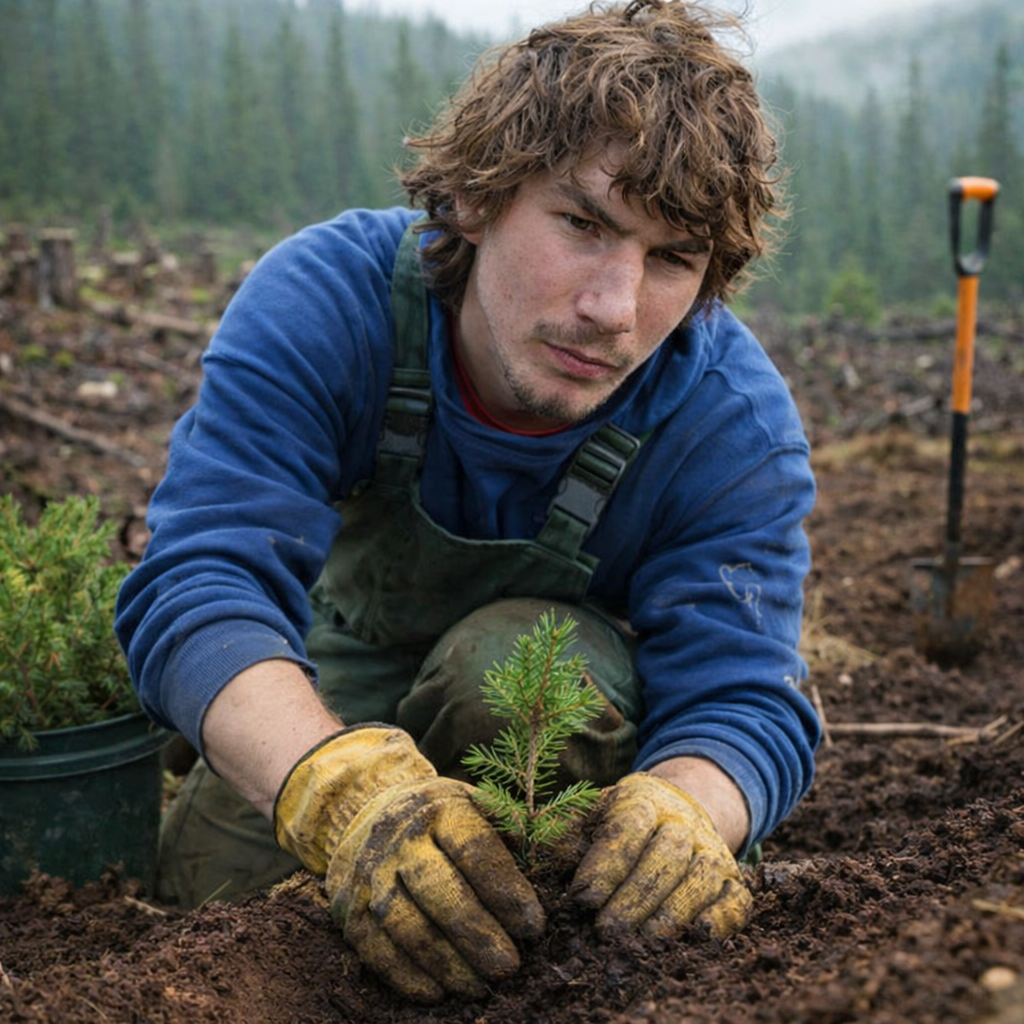
While fans of Gold Rush often focus on the dazzling gold hauls, the final chapter of each season reveals a less glamorous but equally crucial aspect of mining: land reclamation. After months of grueling work—drilling test holes, stripping overburden, moving millions of yards of dirt, and running massive wash plants 24/7—miners like Parker Schnabel, Tony Beets, and Rick Ness are faced with the responsibility of restoring the land they’ve dramatically transformed.
Season 16 of Gold Rush delivered record-breaking results, with Parker Schnabel and his crew achieving unprecedented gold totals. However, the moment the last ounce is weighed in and the celebratory count concludes, a different challenge emerges. Observers often notice vast stretches of exposed earth where dense forest once stood and question what happens to these mining landscapes once operations end. Contrary to the perception that miners simply dig and depart, environmental obligations mandate comprehensive land reclamation before any future permits can be issued.
Mining authorities in regions such as the Yukon and Alaska impose strict regulations, ensuring that operators restore the land to either its original state or a condition suitable for wildlife and sustainable use. Failure to comply can result in severe penalties, including fines or the revocation of mining permits. For miners whose operations depend on government approvals, reclamation is not optional—it is integral to maintaining long-term access to productive claims. This regulatory framework has influenced operators like Parker Schnabel to develop meticulous reclamation strategies alongside their pursuit of gold.
Reclamation involves reshaping the terrain, replacing topsoil, reconstructing natural drainage systems, and replanting grasses, shrubs, and trees. While it sounds straightforward, the process is painstaking and resource-intensive. After months of heavy machinery compacting soil and stripping vegetation, crews must invest significant time and capital to return the environment to a functional state. In many cases, reclamation continues well after the cameras have stopped rolling, highlighting a side of mining that remains largely unseen by viewers.
Among the stars of Gold Rush, Parker Schnabel has emerged as a leading advocate for responsible reclamation. With a lifetime in the mining industry, Parker understands that the future of placer mining depends on maintaining strong relationships with regulators and demonstrating environmental stewardship. His efforts have not gone unnoticed. Parker was awarded the Lecky Award for excellence in environmental management by the Yukon government, recognizing his dedication to restoring mined areas at the Little Flake Mine. This acknowledgment underscores the importance of viewing mining as a balance between extraction and sustainability.
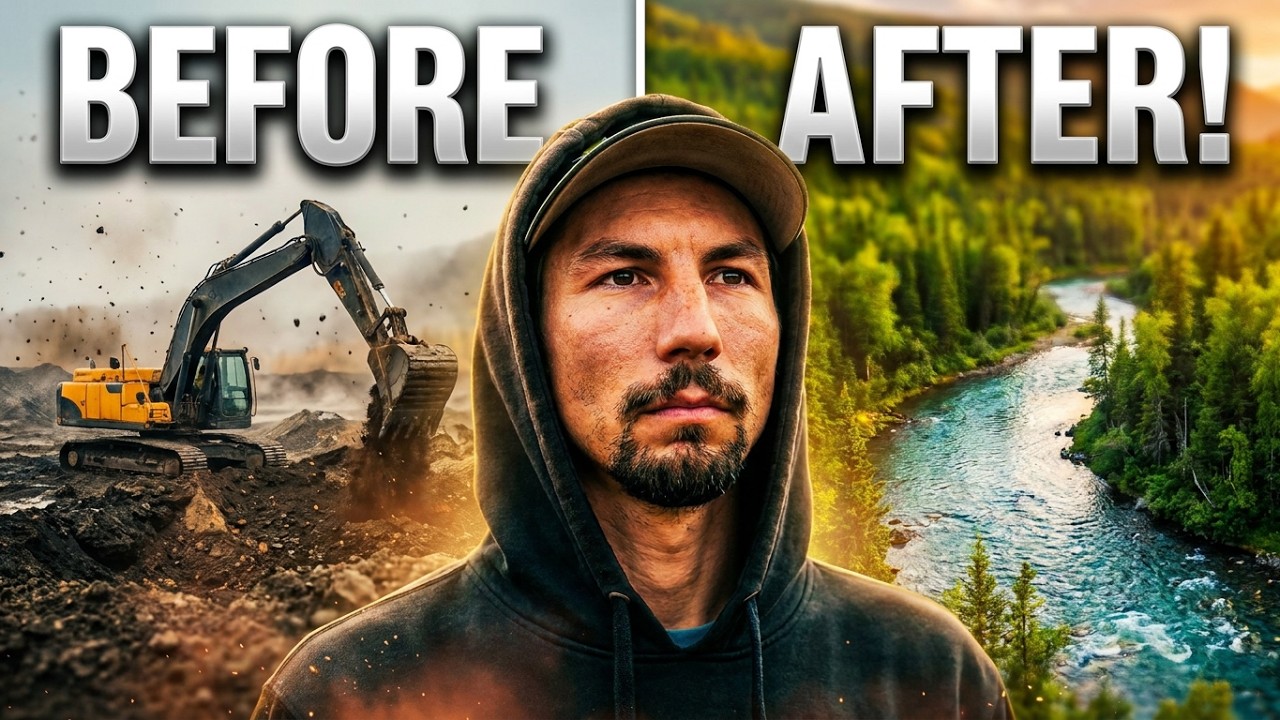
Despite his success, Parker has voiced concerns about the increasing uncertainty of regulatory compliance. Even with rigorous reclamation practices, evolving rules and oversight can complicate long-term planning. Miners may need to make substantial investments without knowing what future regulations might require, placing pressure on operational and financial decision-making. Parker’s proactive approach to reclamation ensures that his operations remain compliant and sustainable while preserving the possibility of future permits.
Not all miners maintain a flawless environmental record. Tony Beets, a legendary figure in the series, has faced fines and violations over the years, drawing criticism but also highlighting the seriousness with which authorities enforce reclamation requirements. Even top-tier mining operations must adhere strictly to environmental protocols, reinforcing the message that restoration is a critical component of responsible mining practice.
Beyond regulatory compliance, reclamation has tangible benefits for the environment and surrounding communities. Restored land supports wildlife by replacing lost habitat, allowing native species to return and thrive. Stabilized soil and reconstructed drainage systems reduce erosion and protect water quality in nearby streams and rivers, preserving ecosystems that may include salmon, trout, and other key species. Moreover, successful reclamation demonstrates to local communities that mining operations respect the land and its long-term viability, helping maintain positive relations and social license for ongoing work.

In addition to ecological restoration, reclamation preserves the integrity of mining operations themselves. For operators like Parker, Tony, and Rick, showing consistent environmental responsibility strengthens their credibility with regulators and secures the future of their claims. Well-maintained land facilitates continued extraction while mitigating legal and reputational risks, ensuring that gold production can continue safely and sustainably.
While the excitement of Gold Rush is defined by gold hauls, massive machinery, and the intense labor of crews, the unseen work of reclamation is arguably just as significant. Behind the scenes, teams are engaged in reshaping landscapes, replanting vegetation, rebuilding habitats, and preparing areas for both future mining and ecological recovery. These efforts ensure that the land can support wildlife, remain productive, and retain its value for the next generation of miners.
Ultimately, reclamation is a testament to the responsibility inherent in modern mining. It illustrates that each season’s success is measured not only by the ounces of gold extracted but also by the care taken to restore the land. For fans of Gold Rush, this side of the story enriches the narrative, showing that mining is as much about stewardship as it is about extraction. As crews pack up for the winter, the work of environmental restoration quietly continues, laying the foundation for the sustainable future of the industry, the land, and the communities it supports.