Gold Rush Season 16, Episode 11: When Ambition, Time, and Family Collide

As Gold Rush reaches Episode 11 of Season 16, Cleaning Up in Vegas, the Yukon mining season enters its most unforgiving phase. Winter is closing in, gold prices remain elevated, and every decision now carries long-term consequences. What distinguishes this episode is not the scale of gold recovered, but how clearly it exposes the pressure points in each major operation. Ambition, time constraints, and internal tension are no longer background themes—they are driving the narrative forward.
Parker Schnabel’s Four-Plant Experiment Faces Its First Real Test
For Parker Schnabel, Season 16 has been defined by scale. His decision to operate four wash plants simultaneously is unprecedented in the show’s history and reflects a production-first philosophy aimed squarely at his 10,000-ounce objective. On paper, the logic is sound: more plants mean more pay processed and more gold recovered.
In practice, Episode 11 reveals the limits of that logic. Running four plants multiplies every vulnerability in the system. Labour demands increase, coordination becomes more complex, and mechanical reliability shifts from an advantage to a liability. Nowhere is this clearer than with Big Red, Parker’s oldest and most heavily used wash plant. While newer plants like Sluicifer are built for sustained high-volume output, Big Red is showing the strain of years of continuous service.
This places Parker in a difficult position. Taking Big Red offline would immediately reduce throughput and slow momentum. Keeping it running risks a larger failure at the worst possible moment. Episode 11 suggests that Parker’s greatest challenge is no longer ground quality, but decision timing. His ability to adapt—rather than simply push harder—may determine whether this season becomes one of his most productive or one of his most costly.
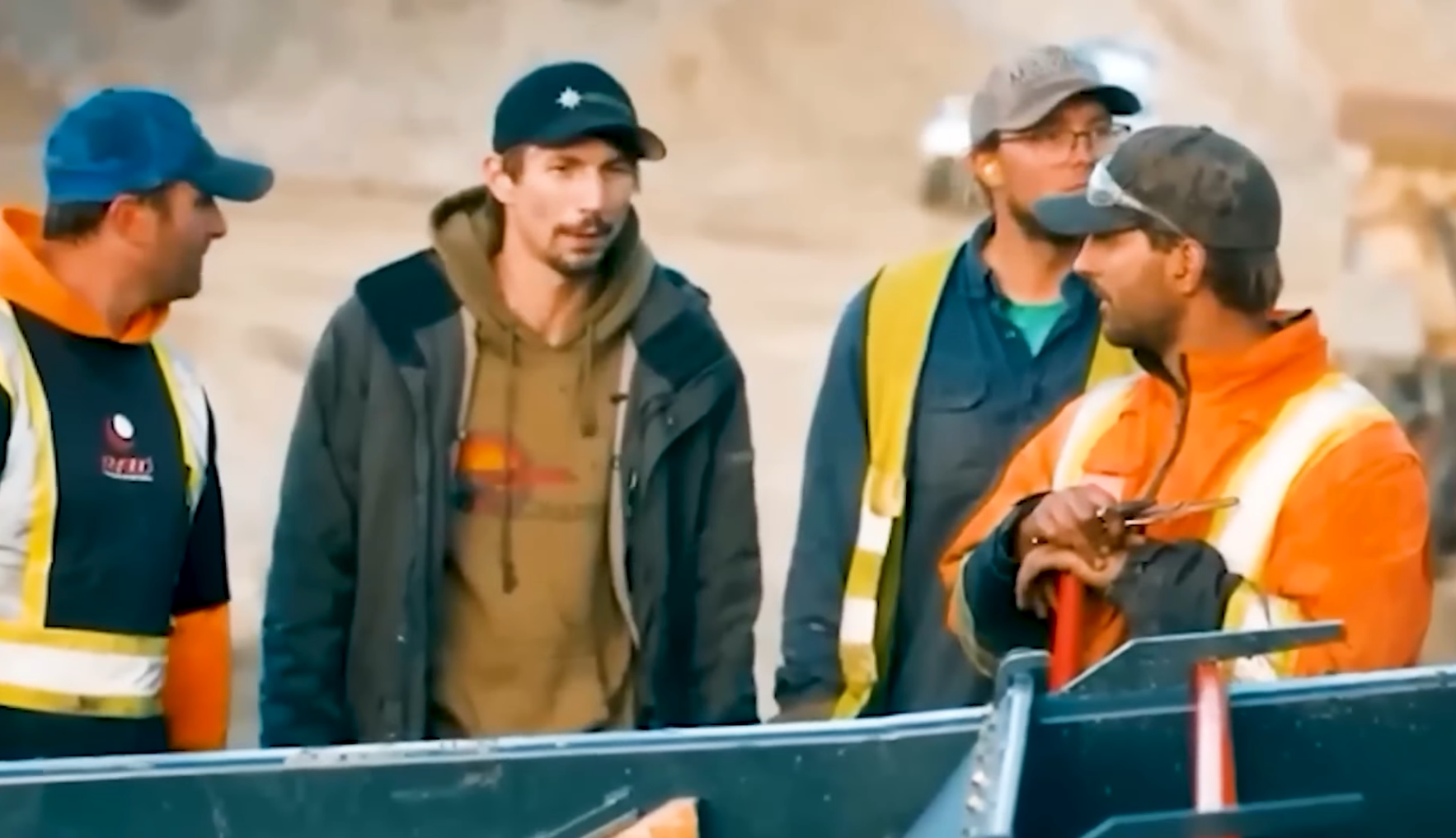
Rick Ness Races the Calendar at Vegas Valley
For Rick Ness, Episode 11 marks a quieter but equally significant turning point. Clearing his remaining debt to Troy Taylor removes a psychological weight that has followed him since his return to mining. With that chapter closed, Rick’s focus sharpens on Vegas Valley, the claim that represents both his best opportunity and his greatest constraint.
Unlike other mine bosses, Rick is not fighting scale—he is fighting time. His water license extension only runs through November, leaving a narrow operational window. Stockpiled pay is already depleted, forcing the crew to push into fresh ground immediately. Every delay now has consequences that cannot be recovered later in the season.
What Episode 11 captures effectively is Rick’s balancing act between urgency and control. He knows Vegas Valley holds gold, but access alone does not guarantee results. Mechanical downtime or poor sequencing could end his season prematurely. Analysts will note that Rick’s approach has shifted subtly: less experimentation, more focus on execution. If he can keep the plant running and reach fresh pay in time, Vegas Valley may yet deliver a meaningful finish. If not, regulatory limits—not geology—will define his outcome.
Tony Beets and the Cost of Consolidation
Meanwhile, Tony Beets once again demonstrates why his operation is both respected and divisive. With River Cut producing reliably, Tony consolidates resources aggressively, redirecting equipment and manpower away from Paradise Hill—much to the frustration of his son, Mike Beets.
From Tony’s perspective, the decision is straightforward. With the season slipping away, resources must be concentrated where returns are strongest. River Cut is delivering gold now, and Tony prioritises certainty over potential. From Mike’s point of view, however, the move reinforces a long-standing concern: that he is never given the tools to succeed independently.
Episode 11 revisits a familiar tension within the Beets family—whether succession can coexist with short-term performance. Tony’s strategy may maximise seasonal totals, but it risks delaying the development of the next generation. As in previous seasons, the question is not whether Tony’s decision is effective, but what it costs beyond the gold room.

A Mid-Season Reality Check
As Season 16 reaches its midpoint, the leaderboard reflects these differing pressures. Parker remains out front, approaching 5,000 ounces and translating scale into a commanding lead. Tony follows with steady production, relying on experience and decisive resource management. Rick lags in total ounces, but his story is defined by constraints rather than capability. Kevin Beets, while further behind, continues to build consistency that may pay off later.
Episode 11 underscores a central truth of Gold Rush: success is rarely determined by one factor alone. Equipment age, licensing timelines, leadership decisions, and family dynamics all intersect at this stage of the season. With winter approaching and no margin for error, the coming episodes will not simply measure who can mine the most gold—but who can manage pressure without losing control of their operation.