Gold Rush Season 16, Episode 8: When Pressure Turns Plans Into Tests
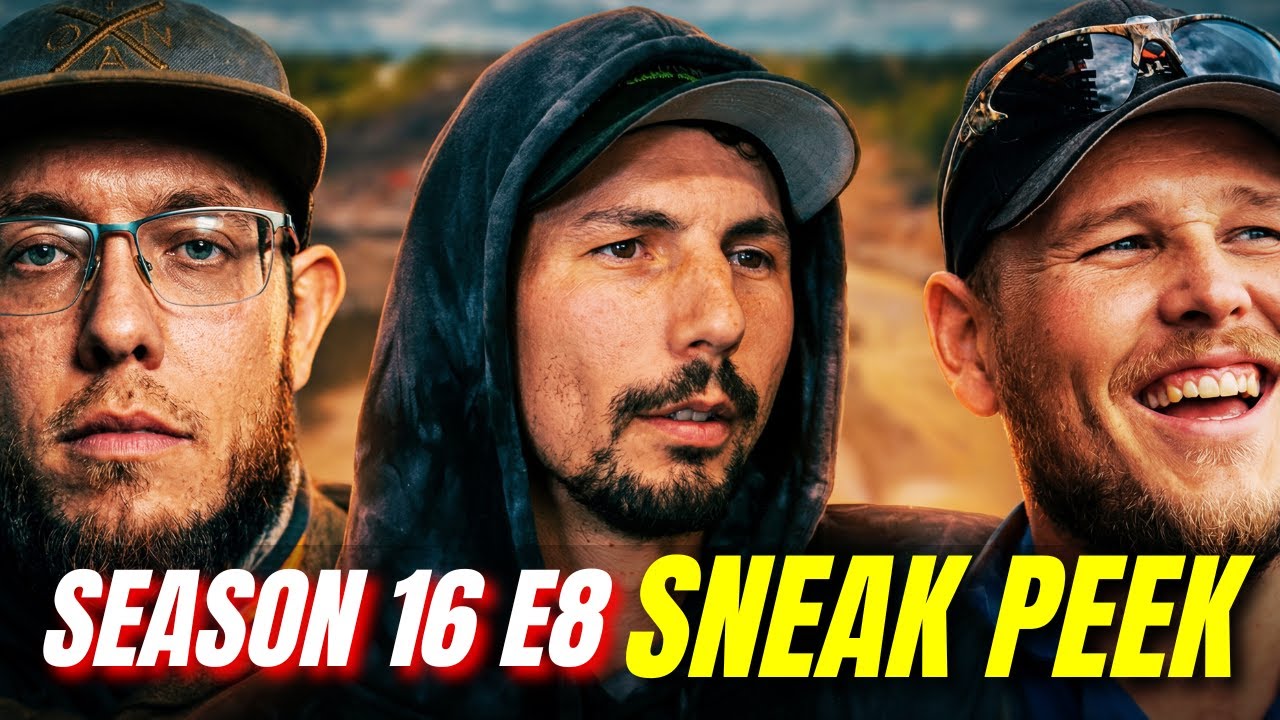
The Klondike has a habit of exposing the gap between momentum and sustainability. In Gold Rush Season 16, Episode 8 — Parker Comes Calling — that gap becomes impossible to ignore. What initially appears to be a routine mid-season check-in quickly evolves into a series of defining moments that test financial discipline, leadership judgment, and long-term viability across multiple operations.
At the center of the episode is Parker Schnabel, whose arrival at Kevin Beets’ independent site brings unresolved business to the surface. Kevin’s decision to strike out on his own was built on trust—specifically Parker’s. Critical equipment was provided when Kevin needed it most, including an $11,000 ripper shank and a rock truck valued at $110,000, both supplied with deferred payment to give the young operator breathing room.
That support was not symbolic. It was material, measurable, and risky. When Parker turns up unannounced while Kevin is only just beginning to run pay dirt at Pyramid Cut, the timing is uncomfortable. The unspoken question is whether Kevin has begun to close the gap on what he owes. For Parker, accountability is not optional; for Kevin, stability is still a work in progress. The exchange underscores a hard truth of the Klondike: relationships are strengthened—or strained—by how obligations are handled under pressure.
What makes the scene compelling is not confrontation for its own sake, but the maturity it demands from both sides. Parker’s position is clear: trust must be matched by follow-through. Kevin’s challenge is equally clear: prove independence without burning bridges. The episode leaves the outcome open, but the message is unmistakable—early-season assistance must evolve into mid-season responsibility.
Back at Dominion Creek, Parker faces a different kind of threat. Despite what looks like a strong production year on paper, he discovers that gold is not making it to the weigh table at expected levels. Missing ounces are a serious concern, and not because of optics. Every shortfall reflects a potential issue in setup, recovery efficiency, or oversight. Parker’s response is swift and methodical. He audits processes, pressures his team for clarity, and treats the problem as an operational failure to be solved—not an excuse to be rationalized.
This approach highlights a core strength of Parker’s leadership style. Even during a season trending toward high output, complacency is not tolerated. Consistency is defended ounce by ounce. The episode reminds viewers that scale amplifies both success and mistakes. At Parker’s level, small inefficiencies compound quickly.
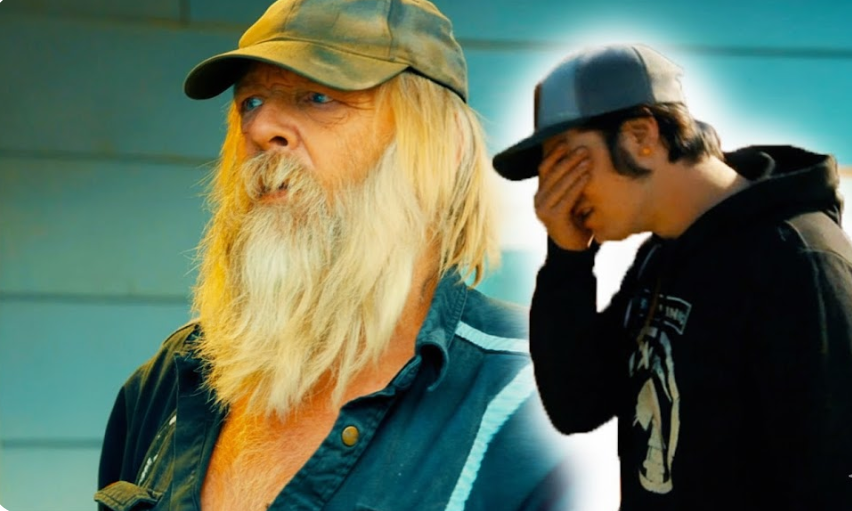
Meanwhile, on Paradise Hill, a quieter but arguably more important evolution is underway. Mike Beets begins to show signs of stepping into a leadership role that extends beyond equipment operation. After securing his first gold return of 14.28 ounces, Mike turns his attention to how work is being done—not just how much is produced.
When he identifies an overfilled pump that could have led to mechanical failure, he intervenes immediately. Later, observing unsafe spacing between rock truck operators, Mike makes a decisive call to halt activity. The response is not punitive, but instructional. Expectations are clarified. Safety is reinforced. The message is firm: production does not justify unnecessary risk.
For an operation long associated with Tony Beets’ commanding style, Mike’s actions signal a generational shift. Authority here is not inherited; it is earned through judgment. The episode positions Mike as someone learning to manage people with the same care he applies to machines—an essential step toward long-term credibility.
As Episode 8 unfolds, a pattern emerges across the Yukon. Early optimism gives way to accounting. Decisions that once felt manageable now carry consequences that cannot be deferred. The season reaches a point where progress must be defended, not assumed.
The numbers at this stage of the season reinforce that reality. Parker’s production approaches 3,000 ounces, placing him comfortably ahead of the field and well into eight-figure territory. Tony Beets follows with more than 2,300 ounces, reflecting the value of experience and infrastructure. Rick Ness, by contrast, remains mired in a difficult return, with under 30 ounces to show for sustained effort—an illustration of how ground quality and timing can override intention. Kevin Beets, with just over 150 ounces, sits at a crossroads: proof of potential without the buffer of scale.

These figures are not mere scorecards. They are indicators of strategy, leadership, and adaptability. For Parker, dominance raises expectations that must be maintained. For Tony, steady output confirms resilience. For Rick, the challenge is converting work into returns. For Kevin, the task is translating early promise into operational consistency.
Parker Comes Calling succeeds because it reframes success as something that must be continually earned. In the Klondike, comfort is temporary. Pressure is constant. And as Season 16 moves beyond its midpoint, the message is clear: the miners who endure will be those who respond to scrutiny with discipline, to setbacks with structure, and to opportunity with accountability.