Gold Rush Star Tony Beets Fined After Yukon Pollution Case Linked to Dredge Pond Incident
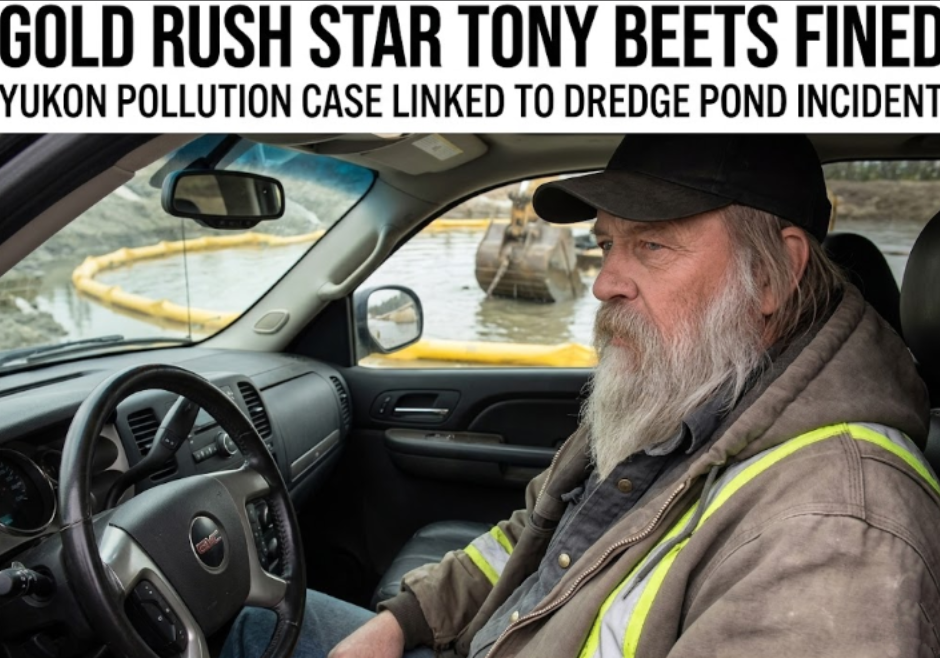
One of Gold Rush’s most recognisable figures, Tony Beets, faced legal consequences following an environmental violation tied to a dredge pond incident in the Yukon. The case, which dates back to events filmed during production of the Discovery Channel series, highlights the regulatory pressures and environmental responsibilities that accompany large-scale gold mining operations.
Gold mining is widely known as a physically demanding industry, requiring heavy machinery, skilled labour, and significant financial investment. However, beyond the visible challenges, operators must also navigate strict environmental regulations and licensing conditions. The case involving Beets offers a rare glimpse into what can happen when those rules are not followed.
The Incident at the Dredge Pond
The legal proceedings stem from an incident in 2014, when gasoline was poured into a dredge pond and set alight. The act, reportedly carried out by a crew member under Beets’ supervision, was captured on camera during filming for Gold Rush. The footage later appeared in an episode titled 100 Ounces and became central evidence in court.
According to court records, approximately one gallon of gasoline was used in the process. The intention, as described during proceedings, was linked to a belief that the act might improve mining results—though this explanation did little to mitigate the legal implications.
At the time of the incident, Beets was present and visible in the footage. Prosecutors argued that he did not intervene to stop the activity, which took place within a regulated water management area.

Charges Under the Yukon Waters Act
Authorities charged Tony Beets, his company Tamarack Inc., and former employee Mark Favron under the Yukon Waters Act. The charges focused on the unauthorised deposit of waste into water and failure to comply with licensing conditions.
In 2017, the Yukon Territorial Court found Beets guilty of permitting waste to be deposited into water in a managed area. His company was also found guilty on multiple counts, including failing to meet the requirements of its water licence.
The case underscored the importance of environmental compliance in mining operations, particularly in regions like the Yukon, where ecosystems are closely monitored and protected under strict legislation.
Court Ruling and Financial Penalties
Judge Peter Chisholm presided over the case and ultimately imposed a series of fines on Beets and his company. The total financial penalty reached approximately 31,000 Canadian dollars.
Beets himself was fined for permitting the deposit of waste into water and for failing to report the incident. Tamarack Inc. faced additional penalties, including fines for non-compliance with water licence conditions.
Prosecutors had initially sought higher penalties, arguing that the incident represented a clear violation of environmental standards. Defence counsel, meanwhile, contended that burning the gasoline reduced potential environmental harm. The court ultimately issued a decision that balanced these arguments while reaffirming the importance of regulatory compliance.
Beets declined to comment publicly following the court ruling.
A Broader Look at Mining Regulations
The case highlights a critical but often overlooked aspect of gold mining: the extensive regulatory framework that governs operations. Before mining can begin, companies must secure permits, adhere to environmental guidelines, and maintain ongoing compliance with water and land use regulations.
In the Yukon, these requirements are enforced under legislation designed to protect natural resources and ensure responsible development. Violations can lead not only to financial penalties but also to reputational damage and increased scrutiny from regulators.
For viewers of Gold Rush, the focus is often on production totals, equipment challenges, and the day-to-day realities of mining. However, cases like this demonstrate that legal and environmental considerations are equally significant factors in the industry.
Impact on Public Perception
As a central figure on Gold Rush, Tony Beets has built a reputation as a tough, experienced operator known for his straightforward approach to mining. The legal case introduced a different dimension to his public image, bringing attention to the responsibilities that come with operating at scale.
The inclusion of the incident in a televised episode also raises questions about how reality television intersects with real-world accountability. Footage intended for entertainment became key evidence in a legal proceeding, illustrating the extent to which on-screen actions can carry consequences beyond the show itself.

Industry Implications
From an industry perspective, the case serves as a reminder of the importance of maintaining strict operational standards. As mining companies expand and adopt more intensive methods, the potential environmental impact increases, making compliance essential.
For producers of Gold Rush, the incident may also influence how similar situations are handled in future seasons. Greater emphasis on regulatory awareness and environmental responsibility could become part of the narrative, reflecting the realities faced by modern mining operations.
Conclusion
Tony Beets’ legal case represents more than an isolated incident. It highlights the intersection of entertainment, industry practice, and environmental regulation. While gold mining remains a cornerstone of Gold Rush, the responsibilities that come with it are increasingly visible.
For audiences, the story offers a deeper understanding of the complexities behind the scenes. For the industry, it reinforces a clear message: success in mining depends not only on what is extracted from the ground, but also on how operations are conducted within the framework of the law.