‘It’s my turn now’: Tony Beets’ son opens up about stepping into his father’s boots
Gold mining legend Tony Beets is known for running his operation with an iron fist — his booming voice and relentless work ethic have become trademarks of the Beets family empire. But this season, his son Kevin Beets is stepping forward, urging his father to take a step back and let him lead.

The tension between father and son came to a head at Paradise Hill, when a critical breakdown on the Beets family’s only working wash plant brought gold production to a halt. The situation exposed not only the challenges of maintaining aging mining equipment but also the growing generational divide within one of the most famous families in the Klondike.
A Breakdown That Could Cost a Fortune
It started with what looked like a minor issue — a tear in the conveyor belt that carries pay dirt from the hopper feeder into the wash plant. But as Kevin quickly discovered, the damage ran deeper.
“I left you over at the belt, and there’s a huge tear,” Kevin reported. “A piece got caught and ripped the belt about 15 feet. You can’t patch something like this — it’s a waste of time. We don’t even have a spare belt to switch it out.”
Kevin and his team inspected the damage and realized the belt had been tracking unevenly for some time. The problem likely stemmed from worn-out rollers and a damaged impact bed — the section of the conveyor that absorbs the force of heavy rocks hitting the belt. The rubber had completely worn away, leaving hard plastic exposed.
“She’s worn down to the plastic,” Kevin said grimly. “The impact bed’s got some wear and tear in it. It’s time to replace it. If we don’t fix it now, it’s going to destroy the whole system.”
It was a decision that came with a heavy cost. Replacing the parts meant shutting down the plant for several days — in the middle of an already short mining season.
A Costly Delay
Kevin got on the phone immediately to order replacement parts. But thanks to ongoing supply chain delays, help wouldn’t come quickly.
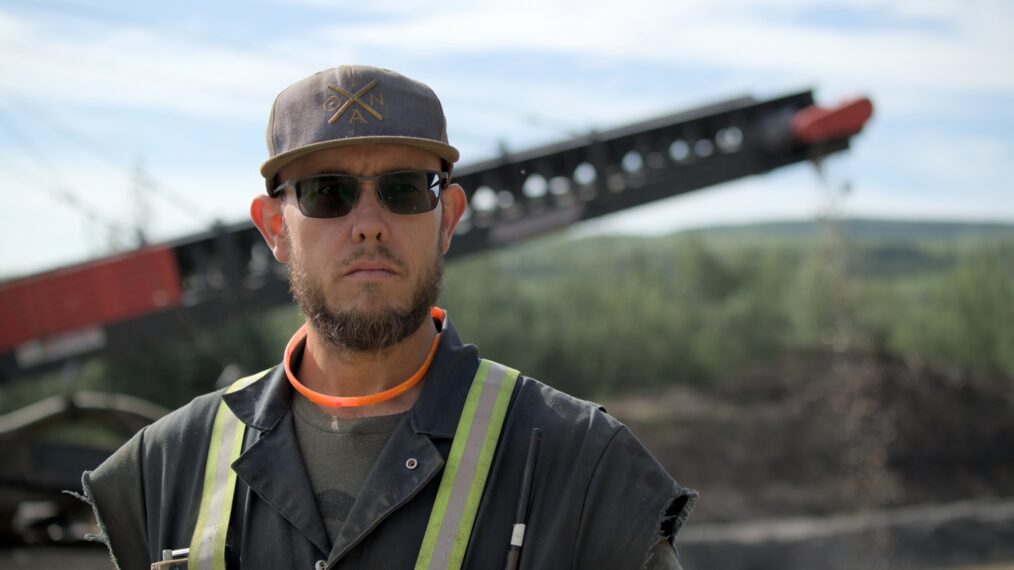
“The fastest they can get here is three to four days,” Kevin told the crew after the call.
Those few days would be costly. With gold prices high and production time limited, every hour the plant sat idle meant potential losses. “A four-day delay could cost us a quarter of a million dollars,” Kevin admitted. “This is why I keep trying to get Tony to have parts ready on-site.”
For Kevin, the situation wasn’t just about a broken belt — it was about planning ahead and changing the way the Beets operation is run.
“It does put a lot of extra pressure on me when we’re waiting on parts,” he explained. “Half the time, the fix isn’t the problem — it’s having the parts here when we need them.”
Father vs. Son: Two Different Management Styles
While Kevin worked to coordinate repairs, Tony remained focused on keeping the operation moving elsewhere. His instinct, honed over decades of hard mining seasons, is to micromanage every aspect of production — a habit Kevin believes sometimes causes more problems than it solves.
“Dad’s always been somewhat of a control freak,” Kevin admitted. “He likes to be in charge, he likes to micromanage — and that hasn’t changed. A little more of a hands-off approach would be appreciated. But, you know, old dogs, new tricks — it takes a while.”
Tony’s leadership style has long been defined by intensity and total control. For years, that approach worked — building his reputation as one of the most successful miners in the Klondike. But as his children, particularly Kevin and Monica Beets, take on more responsibility, they’re beginning to advocate for a more modern, proactive approach to mining management — one focused on preparation, logistics, and efficiency.
Kevin’s push for change reflects a larger generational shift in gold mining. The younger Beets siblings are more likely to rely on data, advanced equipment, and preemptive maintenance — strategies that sometimes clash with Tony’s old-school methods of brute-force problem-solving.
Repairs at Last
After four tense days, the long-awaited replacement parts — rollers and a new impact bed — finally arrived at Paradise Hill. The crew wasted no time getting to work.
“Use the crane to lift the belts up, give us a bit more play,” Kevin instructed. “We’re going to slide the new frames in.”
With precision and teamwork, the Beets crew replaced the damaged components. “Up we go!” Kevin called out as the new rollers were fitted into place.

By the end of the day, the wash plant was ready for testing. “We’ve got the last one in,” Kevin said with a smile. “Went pretty slick — they’re actually pretty easy to take in and out. Nice, very nice.”
Kevin radioed Ruby, one of the equipment operators. “Ready to rock and roll?”
“I’m ready whenever you are,” she replied.
Moments later, the belt roared to life — smooth, steady, and tracking perfectly. The Beets family’s only working wash plant was back in business.
The Cost of Lost Time
Though the crew was relieved to be operational again, Kevin couldn’t ignore the lost opportunity. “We were down quite a few days waiting for the new parts,” he said. “That’s a lot of ounces we didn’t catch just because we weren’t running.”
Tony shared the same frustration but remained pragmatic. “It’s necessary for us to keep up with maintenance and keep everything going,” he said. “But when we’re down, we’re just hemorrhaging money. We’ve got a short sluicing season — hopefully, the maintenance lets us run longer now.”
A New Era for the Beets Family
As the Beets crew returned to full production, one thing became clear — the future of the Beets mining dynasty is changing. Kevin’s technical know-how, calm leadership, and focus on forward planning are shaping a new generation of Beets mining — one that values preparation over reaction.
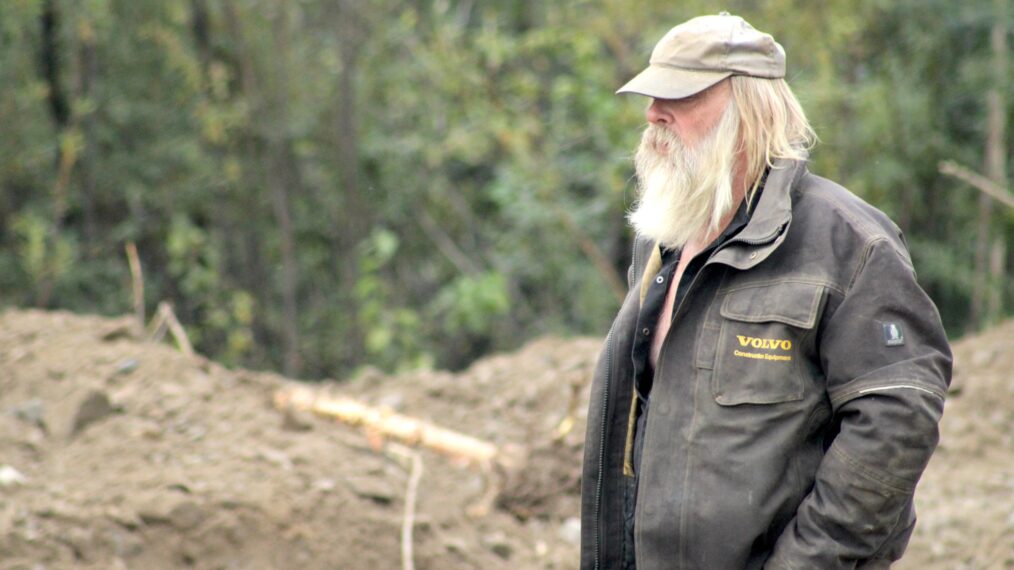
Still, for all his talk of stepping back, Tony Beets remains the heart of the operation. His drive and determination continue to inspire his family, even when they clash over how to get the job done.
For Kevin, the goal is simple: keep the family business running — but do it smarter. “It’s about learning from every breakdown,” he said. “Because out here, every mistake costs gold. And every fix is a chance to do better next time.”