IT’S REALLY OVER! Rick Ness loses his Duncan Creek water permit, threatening season 17 of ‘Gold Rush’.

Yukon, Canada — A major regulatory delay in the Yukon is now casting serious doubt over the future of Rick Ness and his Duncan Creek mining operation, with hearings, environmental interventions, and permitting disputes threatening to derail production plans for the upcoming season of Gold Rush.
According to newly circulated regulatory documents and internal updates, Ness’s operating company at Duncan Creek is currently facing a significant delay in obtaining a critical water license from the Yukon Water Board. In Yukon placer mining, water access is not just a technical requirement—it is the operational backbone of any wash plant system. Without it, gold recovery effectively stops.
A Critical Bottleneck: No Water, No Gold
The situation escalated after the First Nation of Nacho Nyak Dunn formally intervened in the licensing process, submitting an official letter of concern alongside a citizen statement requesting deeper environmental review of the proposed project.
The intervention triggered a major procedural shift. Instead of moving toward approval, regulators escalated the matter into a full public hearing process, significantly extending the timeline and increasing uncertainty around operational approval.
As noted in official filings, the project must now undergo a multi-stage regulatory sequence, including technical conferences, administrative hearings, and public testimony before a final decision can be reached.


A Timeline That Could Break the Mining Season
The hearing schedule alone has become a central concern for industry observers:
- Technical pre-hearing conference: June 17–18, 2026
- Administrative pre-hearing conference: August 18, 2026
- Public hearing: August 26–28, 2026
For most industrial sectors, such delays may be manageable. But Yukon gold mining operates on a brutally short seasonal window. Once winter conditions arrive, operations shut down completely.
By the time final hearings conclude in late August, much of the productive mining season may already be lost. That timing has raised alarms among both production crews and television stakeholders responsible for filming Season 17 of Gold Rush.
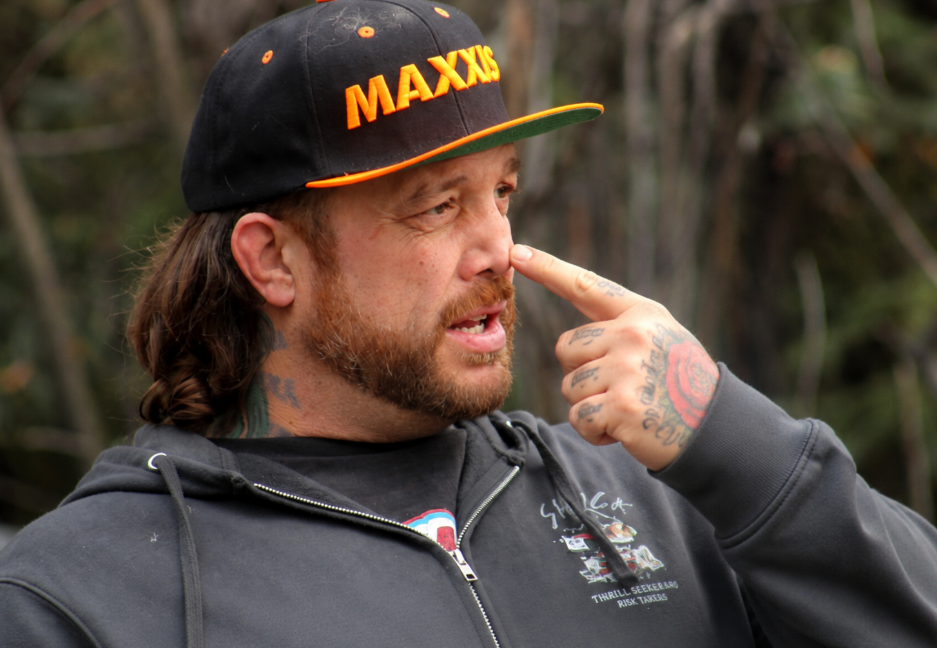
Operational Consequences for Duncan Creek
At the core of the issue is simple engineering reality: without water, the wash plant cannot function. Gravel cannot be processed, pay dirt cannot be separated, and gold recovery halts entirely.
The regulatory uncertainty has created a cascading operational problem. Equipment mobilization, workforce scheduling, fuel logistics, and production planning all depend on permit certainty—something Duncan Creek currently lacks.
As a result, analysts believe Duncan Creek may struggle to contribute meaningful production footage for Season 17 unless approval arrives significantly earlier than expected.
Television Impact: A Missing Storyline Risk
The uncertainty now extends beyond mining economics into television production logistics. With Gold Rush relying heavily on real-time mining progress, any prolonged regulatory stall could reduce on-site footage availability for one of its most recognizable miners.
Producers may be forced to pivot narrative focus, either by reducing Duncan Creek coverage or redirecting attention to alternative operations.
Industry speculation has already begun about whether Ness could temporarily shift focus away from Duncan Creek entirely if regulatory delays persist.
Lightning Creek Emerges as a Strategic Alternative
Amid the permitting uncertainty, attention has returned to Ness’s earlier investment in Lightning Creek—a $700,000 acquisition initially viewed by some observers as a high-risk gamble.
At the time of purchase, the decision was widely debated. The property required significant development and did not immediately deliver expected returns. However, its strategic value is now being reassessed in light of the Duncan Creek delay.
Because Lightning Creek is already under Ness’s control, it does not face the same immediate permitting bottleneck. That makes it a potentially viable fallback operation while regulatory processes continue at Duncan Creek.
A Shift From Ground Work to Bureaucratic Battle
As detailed in regulatory summaries and operational reports, the project at Duncan Creek is no longer just a mining challenge—it has become a legal and administrative process involving multiple stakeholders, environmental scrutiny, and public oversight.
This shift marks a significant change in trajectory for Ness, who has built his reputation on overcoming physical and operational mining challenges rather than regulatory gridlock. Instead of battling terrain, weather, or equipment failure, he is now navigating hearings, filings, and compliance frameworks.
What Comes Next for Season 17
With deadlines stretching into late summer and no guaranteed approval timeline, several scenarios are now being considered:
- Duncan Creek receives delayed approval, limiting its operational window
- Lightning Creek becomes the primary active site for Season 17
- Ness temporarily splits operations between multiple claims
- Full operational pivot to alternative ground elsewhere in the Yukon
Each outcome carries significant implications for both gold production and television storytelling.
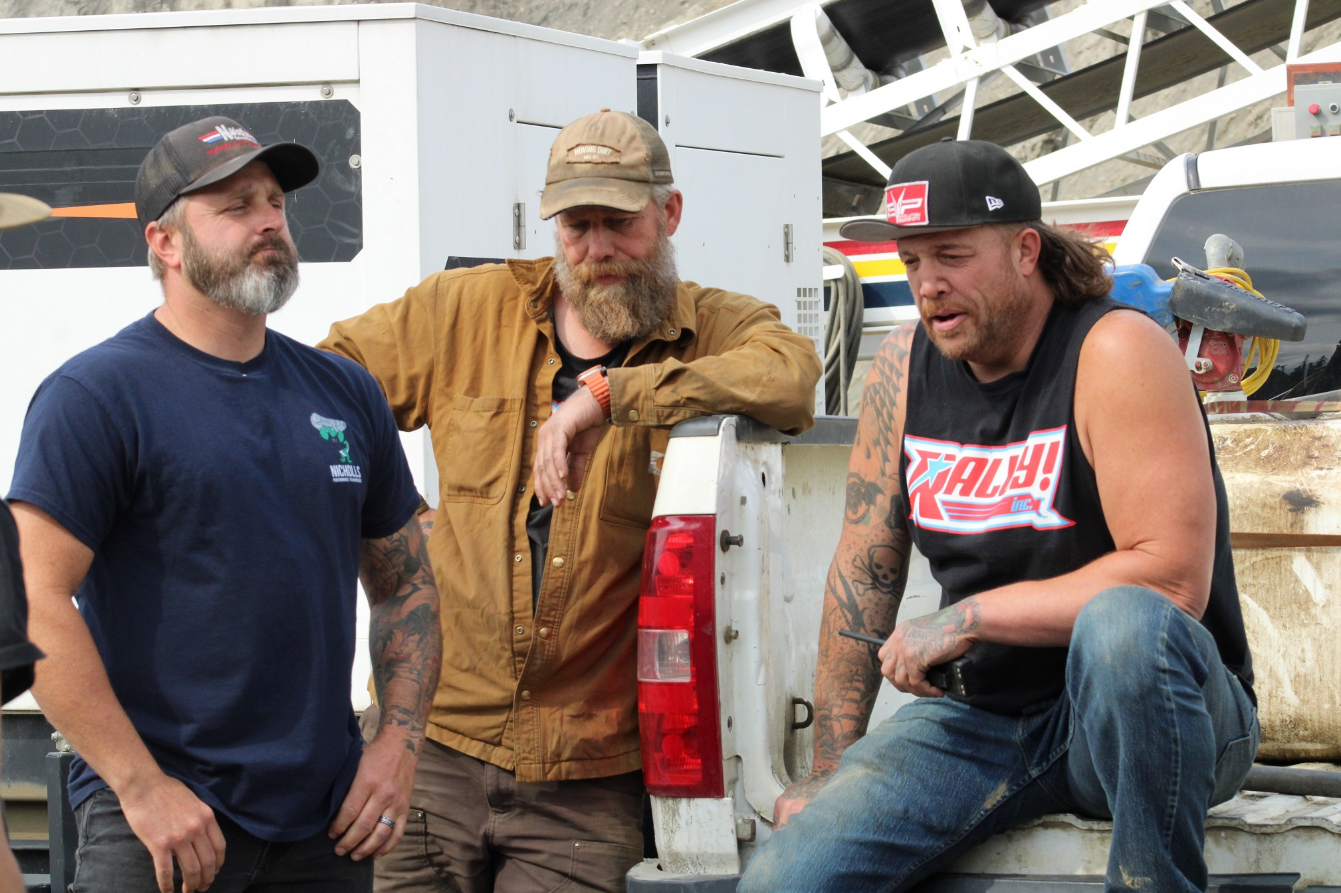
Industry Outlook: Flexibility Becomes Survival
Mining experts note that in Yukon operations, adaptability is often more important than long-term planning. Companies that can pivot between claims and adjust to regulatory conditions tend to survive unpredictable permitting environments.
In this context, Ness’s diversified asset base—including Lightning Creek—may prove critical to maintaining continuity through Season 17.
Conclusion: A Season Defined by Uncertainty
What was expected to be a straightforward mining season at Duncan Creek has evolved into a complex regulatory standoff with wide-reaching consequences. Between environmental intervention, extended hearings, and seasonal constraints, the path forward remains uncertain.
Yet within that uncertainty lies potential opportunity. If Lightning Creek becomes operationally central, Ness may still deliver a full mining season—just not the one originally planned.
For now, all eyes remain on the Yukon Water Board process, where the next procedural steps will likely determine whether Duncan Creek becomes a flagship operation or a stalled project—and whether Rick Ness remains a central figure in the unfolding story of Gold Rush Season 17.