New Blood, Old Problems: Pressure Builds in the Yukon as Gold Rush Miners Enter the Season’s Defining Stretch
As Gold Rush moves deeper into its sixteenth season, the margin for error is shrinking fast. What once felt like a long campaign now resembles a race against time, where every shutdown, personnel change, and ground decision carries outsized consequences. The latest developments across the Yukon underline a shared reality for all three major operations: momentum is fragile, and keeping it requires constant effort.
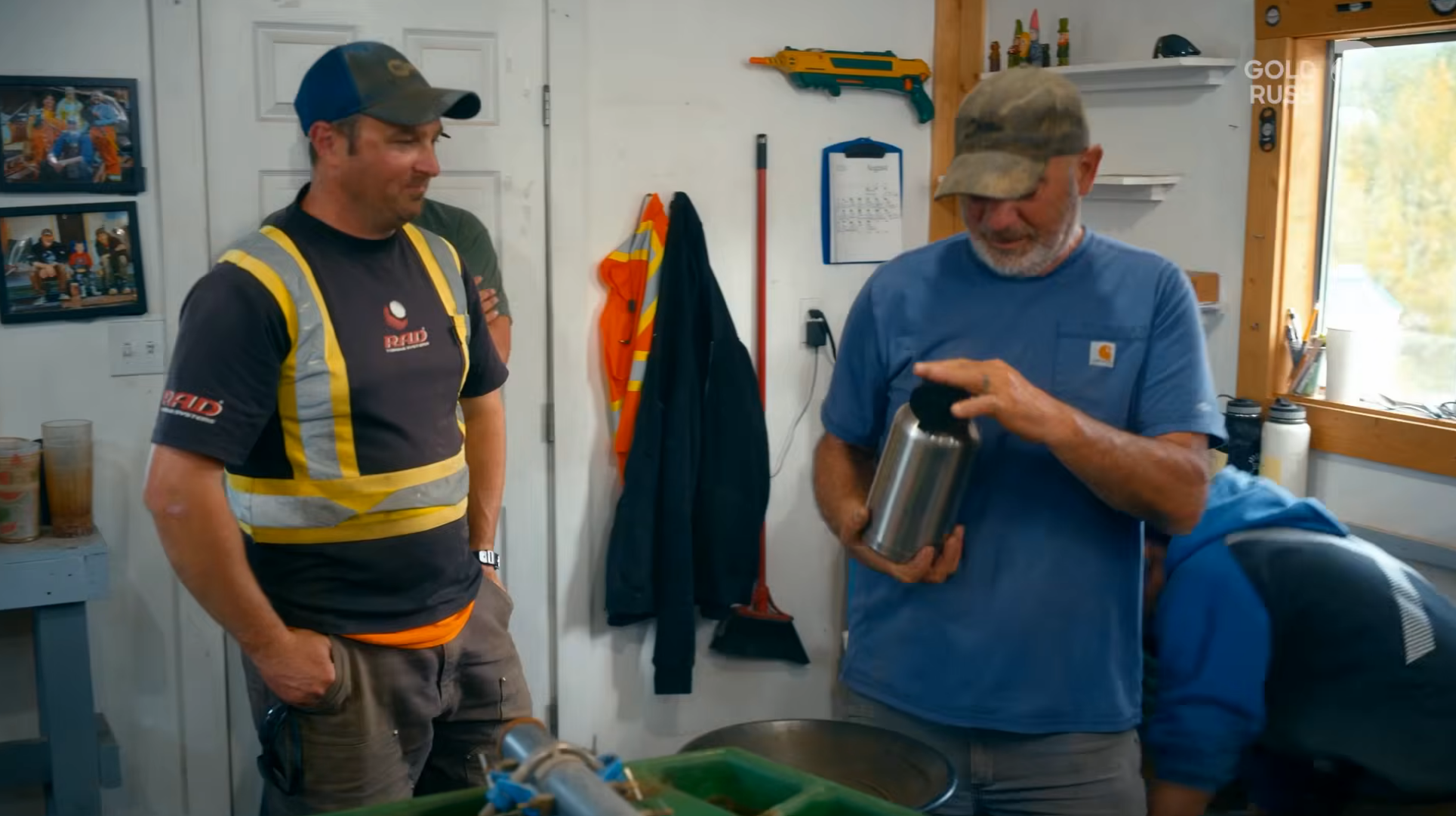
At Dominion Creek, Parker Schnabel continues to push one of the largest setups ever seen on the show. Four wash plants are running simultaneously, a scale that demands not only machinery but discipline and cohesion from the crew. That balance was tested when a loader operator was dismissed following a tense exchange with management. Parker made it clear that technical ability alone is not enough at this stage of the season; attitude and communication matter just as much.
The timing could not have been more critical. Despite having already banked more than $18 million in gold, Parker’s weekly numbers had dipped below 500 ounces due to plant breakdowns and inconsistent ground. With targets still ahead, slowing down is not an option. Dominion Creek’s foreman, Tyson Lee, suddenly found himself short-handed and under pressure to keep wash plant Bob fed without interruption.
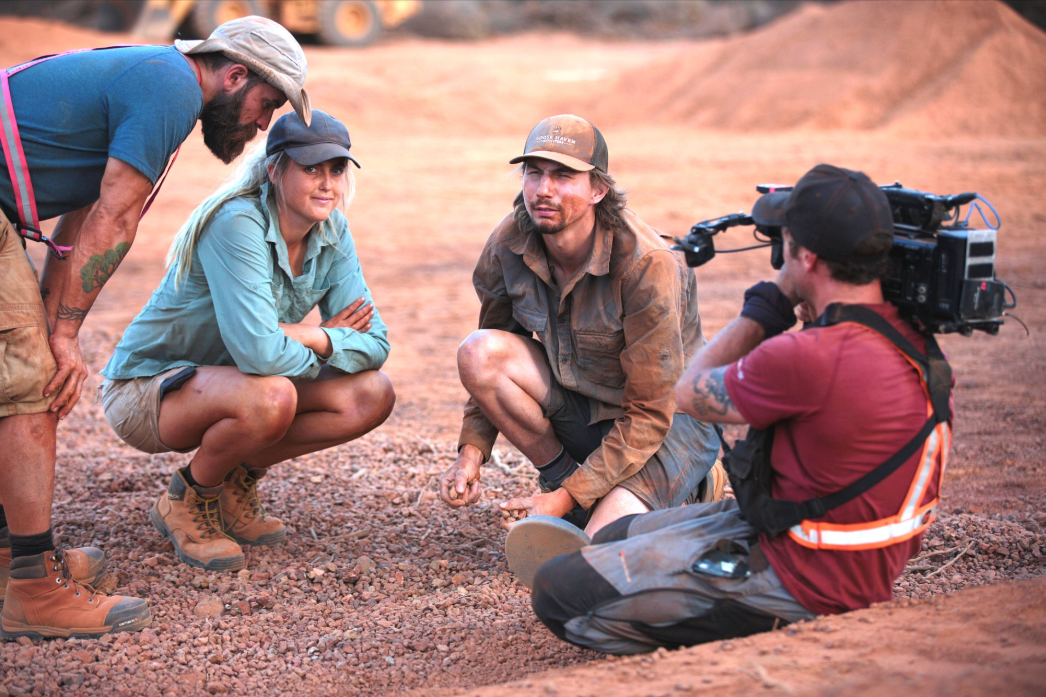
The solution came from an unexpected place. India Greenhalgh, who had spent years working behind the scenes with the production crew, stepped into a loader role with less than a month of mining experience. Transitioning from a familiar job into one where every mistake can cost thousands of dollars was no small challenge. Her first real test came quickly, when a conveyor jam forced her to shut Bob down. Rather than pushing through blindly, she made the call to stop the plant and ask for help — a decision Tyson later praised for preventing a far bigger problem.
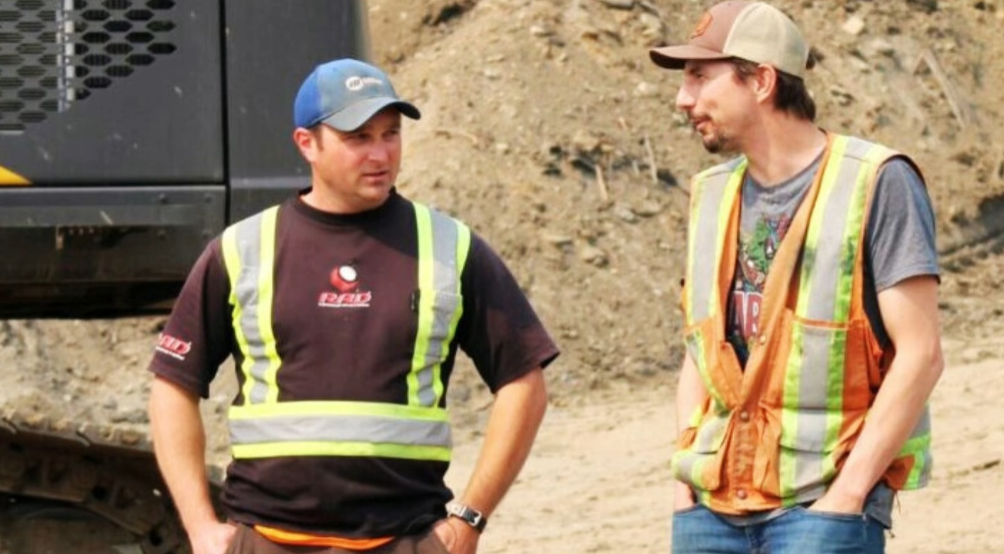
While Dominion focused on stability, Kevin Beets was dealing with a different kind of pressure at Scribner Creek. His season has been shaped by constant crew changes, from early departures to team members stepping away for family reasons. Yet, as the second half begins, Kevin appears to be finding his footing.
With the Pyramid Cut exhausted, Kevin shifted everything onto the new seven-acre Sphinx Cut. The stakes were clear: if this ground did not deliver, his goal of 2,000 ounces would slip further out of reach. To give himself the best chance, Kevin committed to running his wash plant around the clock, aiming for a steady 100 ounces a week.
That decision brought immediate challenges. Ten hours into his first night shift, new hire Taven shut the plant down after a massive rock slipped through the grizzlies and jammed the hopper. Instead of frustration, the response was practical. Day-shift crew members Chelsea March and Tyler Potter arrived early, and together they rigged a chain to the grizzlies and worked the rock free. The plant was back online, and the incident became an early test of teamwork rather than a setback.
The effort paid off at weigh-in. After two weeks of continuous operation, Kevin’s first cleanup from the Sphinx Cut came in at 250.45 ounces, worth approximately $876,000. It was his strongest result of the season and pushed his total past 583 ounces, giving him more than $2 million in gold so far. For Kevin, the result validated the decision to commit fully to the new ground and the demanding schedule that came with it.
At Vegas Valley, Rick Ness faces a more uncertain path. His crew spent the week battling thick sludge at the bottom of the cut, where a clogged pump brought progress to a halt. Mechanic Ryan Kent stepped in with a practical fix, building a new intake basket with larger screens to keep the pump running and water levels under control.
The fix worked, allowing Rick to finally run two truckloads of material. The return — just over an ounce — was modest, but meaningful. It confirmed that gold is present in Vegas Valley, even if accessing it safely remains a challenge. Rick’s season total now sits at roughly 438 ounces, worth around $1.5 million, leaving a long way to go if he hopes to reach his 1,800-ounce target.
The problem is not the presence of gold, but the shape of the pit itself. The working area is narrowing, walls are tightening, and expanding the cut could take weeks of stripping without immediate return. Rick is now weighing a difficult decision: commit time and resources to making Vegas Valley safer and more accessible, or search for an alternative location before the season slips away.
Back at Dominion, Parker gathered his crew for the weekly weigh-in, hoping the four-plant strategy had reversed the previous slump. The results were mixed but encouraging. Roxanne delivered 150.40 ounces from Ken and Stewart’s claim. Sluicifer and Big Red combined for 251.55 ounces, carrying the bulk of the operation. Bob added 80.7 ounces, lower than hoped, but enough to keep the overall trend moving forward.
The weekly total came in at 505.4 ounces, bringing Parker’s season tally to 5,855.9 ounces. It is steady progress, even if not at the pace Parker ultimately wants. At this stage, consistency matters as much as breakout weeks.
Across all three operations, the theme is clear. The second half of the season is no longer about setting plans, but about executing them under pressure. Crew changes, equipment issues, and ground conditions are testing leadership as much as mining skill. For Parker, Kevin, and Rick, the coming weeks will be defined by how well they can keep their operations moving forward — one decision at a time — in a Yukon that rarely offers second chances.