Oak Island Team Investigates Mysterious Rock-Lined Feature Beneath Massive Lot 8 Boulder
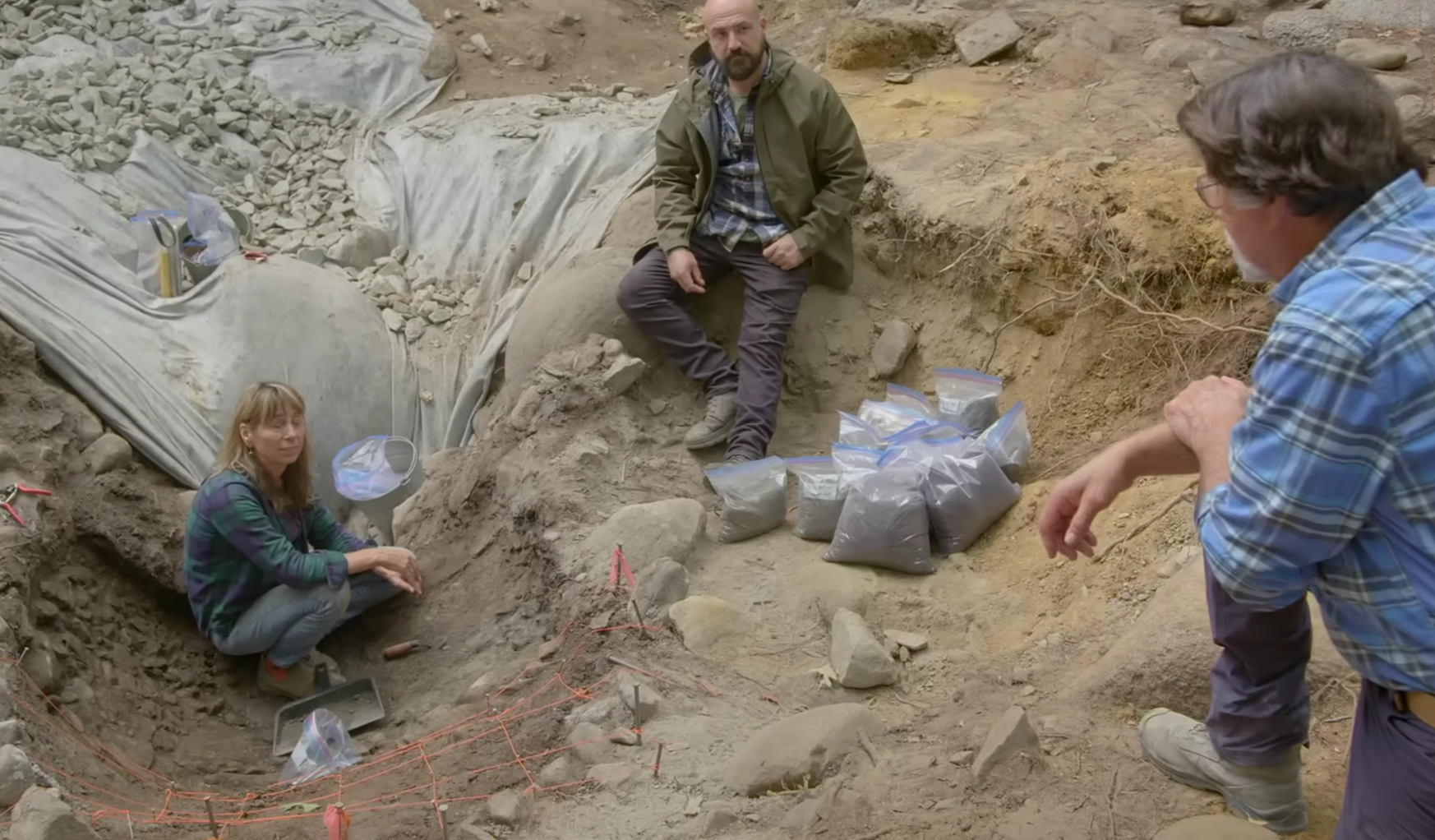
The Curse of Oak Island team may have opened a new and highly important chapter in the search after uncovering what appears to be a carefully constructed rock-lined feature beneath a massive boulder on Lot 8.
The discovery has drawn the attention of Rick Lagina, Marty Lagina, Craig Tester, Jack Begley, Fiona Steele, Laird Niven and geoscientist Dr Ian Spooner, all of whom are now asking whether the unusual formation could mark or protect something hidden below.
The investigation began after the team removed a 40,000-pound boulder from a ring of smaller stones. What first appeared to be a large natural obstruction soon began to look far more deliberate. Beneath the boulder, the team found evidence of backfilled soil, placed rocks and a feature that some believe could be a shaft, cache marker or man-made covering.
For Rick Lagina, the most intriguing detail was not simply the size of the boulder, but the amount of effort required to position and support it. The stone had not been sitting randomly. One side appeared to have been carefully structured with supporting rocks, while the opposite side did not show the same pattern. That imbalance raised an immediate question: why would someone build up one side of the feature unless the boulder had been placed there with purpose?
Fiona Steele, who has been working carefully through the soil and stone layers, suggested that the feature does not resemble anything commonly seen on Oak Island or elsewhere in Nova Scotia. Her early impression was that the construction may be very old, possibly dating to before the 1700s.
That possibility matters because Oak Island’s mystery depends heavily on chronology. If the Lot 8 feature predates known treasure searchers, then it could point to original activity rather than later disturbance. In other words, the team may be looking at something untouched by the centuries of digging and searching that have complicated other areas of the island.
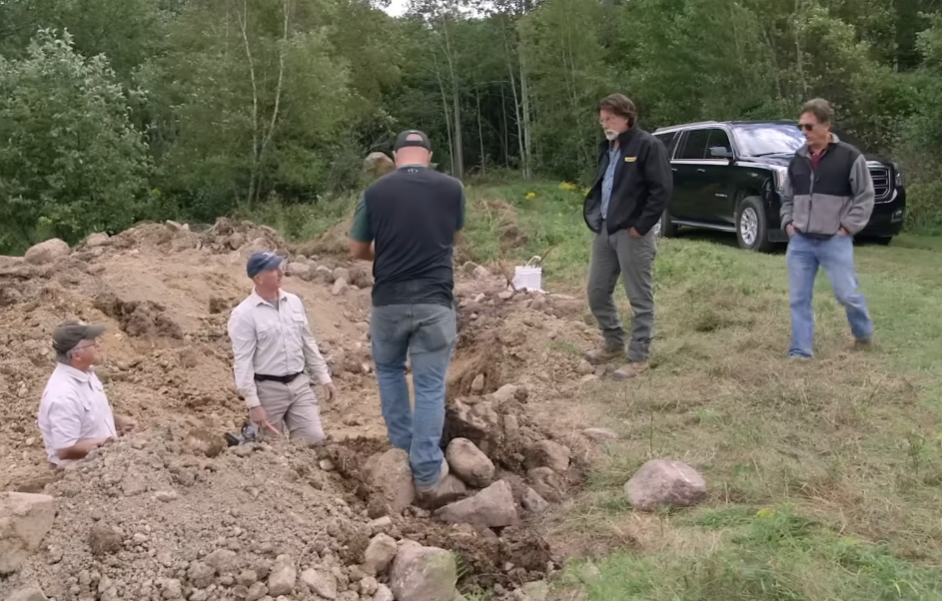
The feature became even more interesting when Dr Ian Spooner examined the site. After Fiona exposed a tightly packed layer of stones beneath the backfilled material, Spooner concluded that the formation did not look natural. He pointed to organic matter around the stones and the deliberate circular pattern as signs that the structure had likely been arranged by people.
Spooner had previously used a handheld X-ray fluorescence device to examine soil samples from beneath the boulder. Those tests detected traces of lead and possible silver deeper below. The lead reading was especially interesting because it could suggest underground burning, a technique sometimes used in older mining or tunnelling work to help circulate air in shafts.
That does not prove treasure is below the boulder, but it gives the team a stronger reason to continue carefully. In Oak Island terms, the combination of stonework, unusual soil chemistry and possible metal traces is exactly the kind of layered evidence that can turn a small feature into a major investigation.
The team discussed two main possibilities. The boulder and rock-lined feature may have been a marker, designed to identify an important location. Or it may have been a protective covering, built to conceal or secure something underneath. Both theories suggest intention, planning and effort.
Laird Niven also noted that the feature does not make obvious sense on its own because it appears to be located in an isolated area. That may actually increase its importance. If someone went to the trouble of creating such a structure in the middle of nowhere, the purpose may have been specific and meaningful.
Rick’s interpretation was even more direct. As someone familiar with stonework, he questioned why anyone would move or support such a large boulder unless something valuable or significant had been placed beneath it. His view reflects a recurring theme in the series: major effort usually points to major intent.
The team also raised the possibility that the feature could be European in origin. Fiona and others suggested that the construction style and the scale of the work may point away from later casual activity and toward a more organised project. Some comparisons were made to other stone features on the island, including the stone road uncovered in the swamp.
That comparison is important because the swamp road has previously been linked by some theories to Portuguese activity. If the Lot 8 feature shares design characteristics with the swamp road, the team may be looking at a larger construction pattern across Oak Island.
Marty Lagina, joining by phone, appeared especially interested in the possibility that the feature had not been disturbed by known searchers. That would make Lot 8 different from the Money Pit area, where centuries of digging have made interpretation extremely difficult. An untouched feature could offer a clearer window into the island’s older story.
Still, the team is moving cautiously. Rick made it clear that he does not want to rush the work in a way that might damage the evidence. Before removing more material, the archaeologists need to draw and document the cross-section of the feature, record the stone placement and make sure no small artifact is missed.
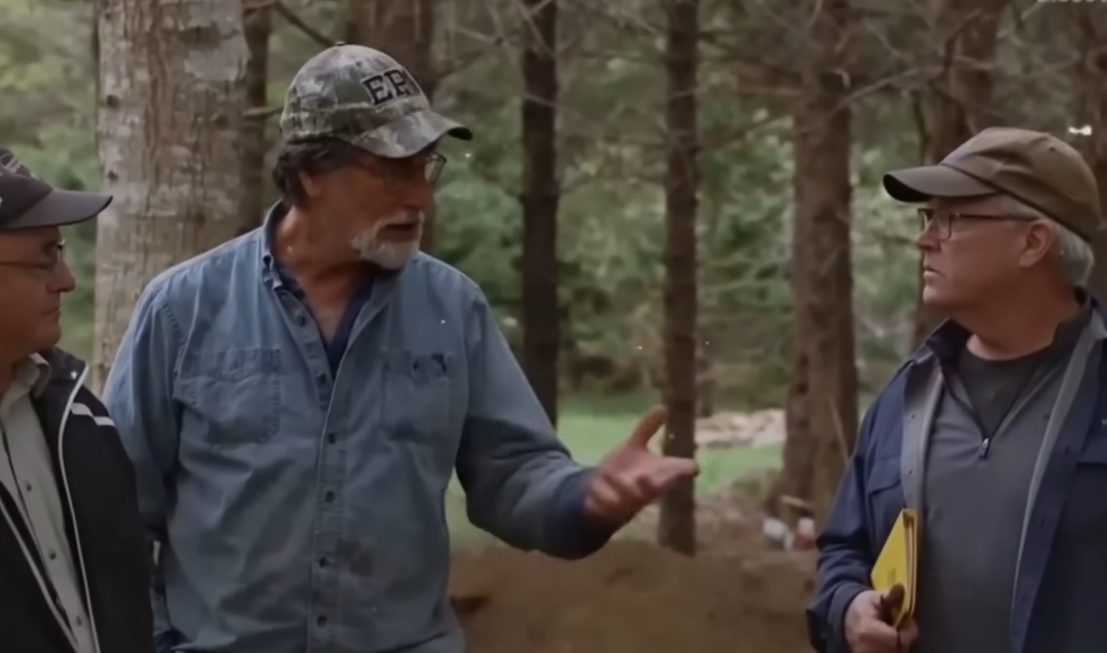
That careful approach may prove crucial. If the feature is truly old, the story may be hidden not only in what lies beneath it, but in how it was built. The arrangement of stones, the layers of soil, the position of the boulder and the chemical readings could all help determine whether this was a marker, a cover, a ceremonial structure or part of a larger underground system.
For The Curse of Oak Island, the Lot 8 discovery arrives at a perfect moment. The series has spent years following clues in the Money Pit, the swamp, Lot 5 and the Garden Shaft. Now Lot 8 may be emerging as another key zone, one that could connect stone construction, possible buried metals and pre-searcher activity.
The biggest question remains unanswered: what, if anything, lies beneath the boulder?
The team does not yet have proof of treasure, a shaft or a hidden chamber. But they do have a feature that multiple experts believe is intentional, unusual and potentially very old. On Oak Island, that is enough to change the direction of the search.
As Rick, Fiona and the rest of the team continue removing soil layer by layer, the mystery on Lot 8 is becoming harder to ignore. The massive boulder may have been more than a stone. It may have been a signpost, a cover or a warning left by people who wanted something beneath it to remain undisturbed for centuries.