Parker Schnabel OVERLOADS Truck Shattering The Driveshaft Halting His Entire Production
For much of Season 16, Gold Rush has followed a familiar arc for Parker Schnabel—high expectations, tight margins, and relentless logistical pressure. What sets this season apart, however, is not a dramatic collapse or a breakthrough discovery, but a grinding struggle to maintain consistency in both gold production and operations.
From the outset, Parker’s team has faced an unusually complex set of challenges. Determining where to place wash plants, hauling pay dirt over long distances, and juggling limited resources have defined much of the season. While gold has continued to appear in the sluice boxes, the returns have failed to match the operation’s ambitions. As Parker himself admitted, the gold has been “consistently poor,” forcing a reassessment of what is realistically achievable.
That recalibration has been significant. Early-season expectations of 10,000 ounces were reduced to 8,000—a move that reflects both realism and mounting pressure. To reach even that revised target, the operation would need to approach 1,000 ounces per week, a benchmark that has remained stubbornly out of reach. The problem is compounded by the fact that only two wash plants are currently running, a notable drop from the three-plant setup Parker had grown accustomed to.
The loss of a wash plant at Sulphur Creek marked a turning point. With stockpiled pay dirt exhausted, the site was forced to shut down, placing even greater strain on the remaining operation at the Long Cut. That cut, however, has been unreliable throughout the season, producing uneven gold returns that have tested both patience and planning. Despite this, foreman Mitch Blaschke has remained determined to extract every possible ounce from the ground.
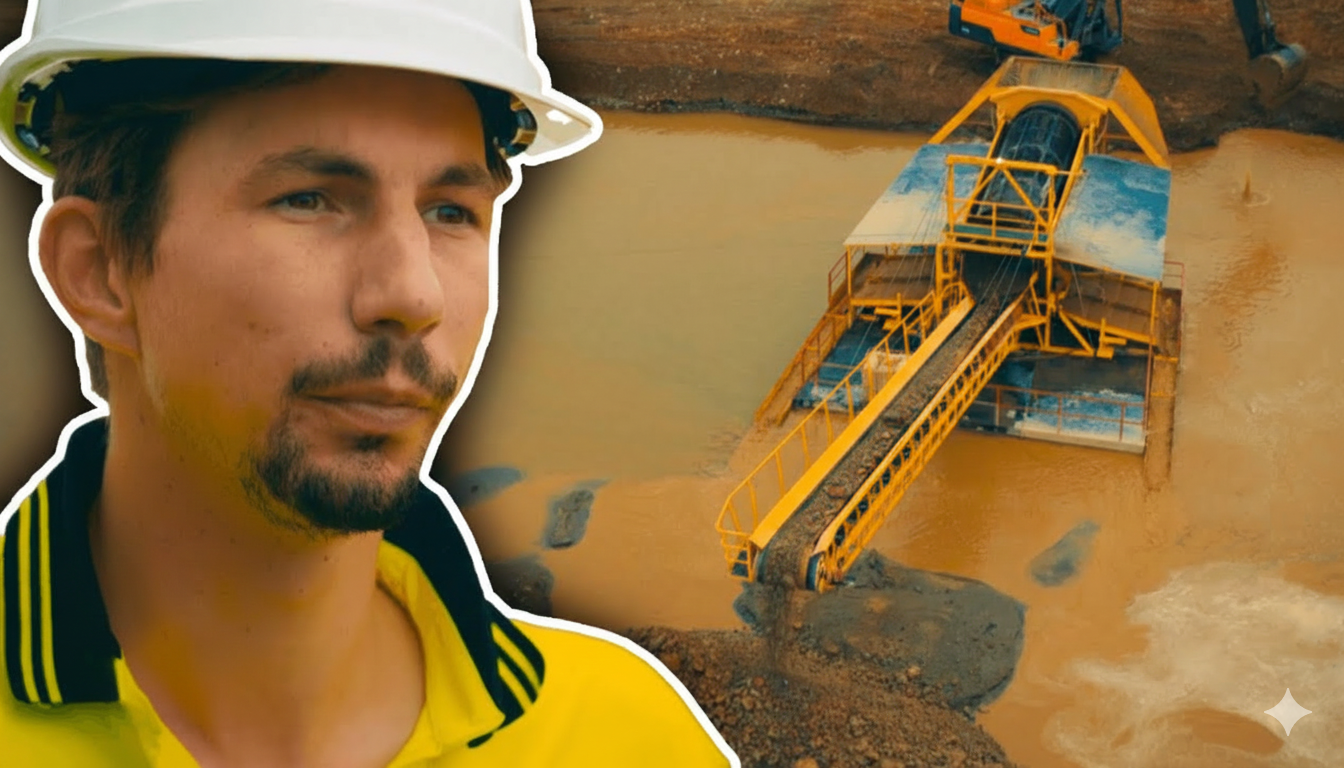
To compensate for a limited crew and reduced plant capacity, Mitch turned to heavy hauling efficiency. Two Volvo A60 rock trucks were brought into constant rotation, each capable of moving enormous volumes of material. Together, the trucks can deliver up to 600 cubic yards per hour, effectively keeping the Roxan wash plant running around the clock.
These trucks quickly became critical to the operation’s survival. With no spare equipment and no alternative projects to draw from, Parker made it clear that all available effort needed to be concentrated on the Long Cut. That decision left little room for error. To maintain output, the A60s were frequently pushed beyond their rated loads, a calculated risk Mitch openly acknowledged.
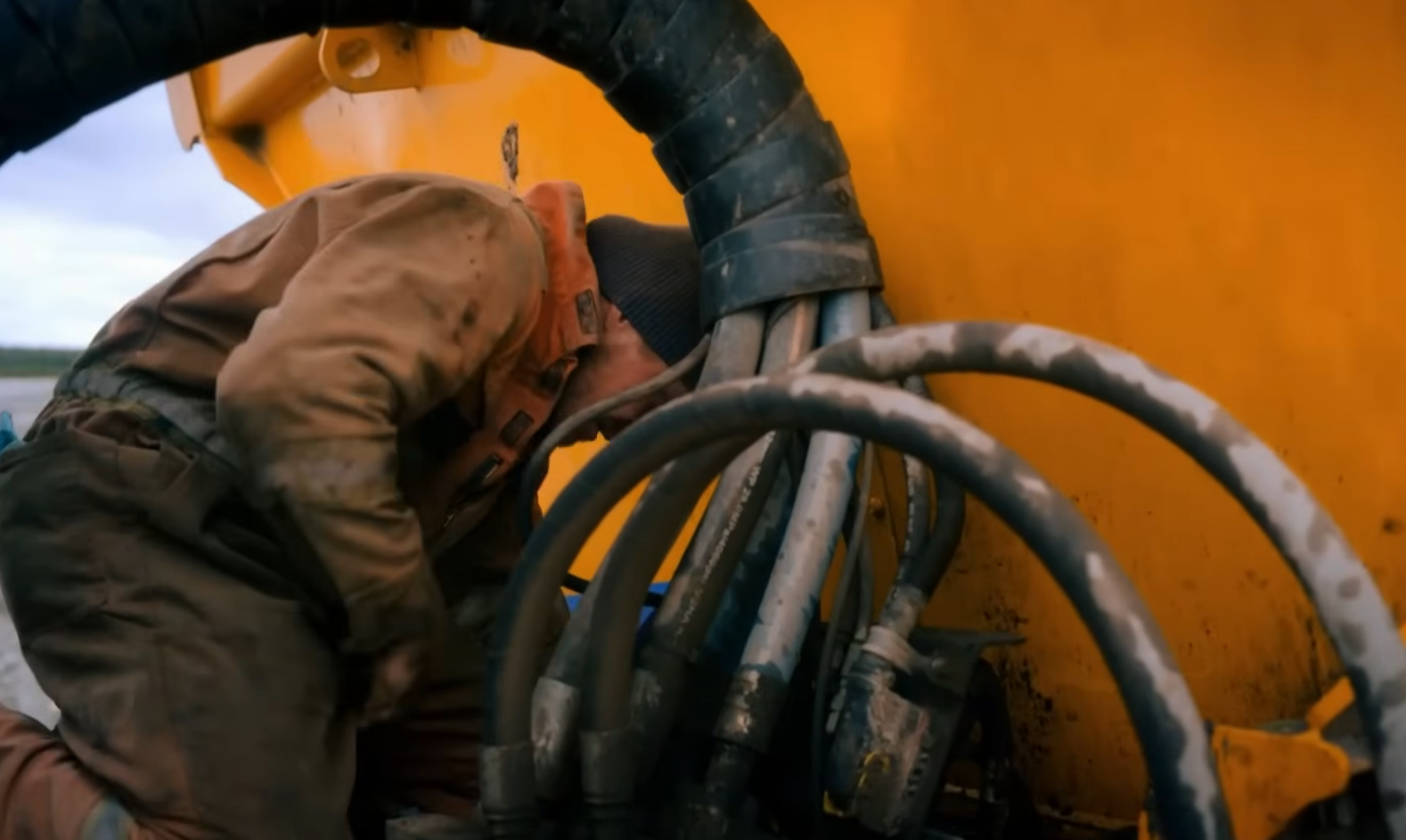
The gamble nearly unraveled when one of the trucks, operated by 22-year-old new hire James Curtis, suffered a catastrophic drivetrain failure. As the truck backed down the ramp under a full load, the companion flange connecting the drive shaft to the rear axle snapped. The resulting damage was immediate and severe. The broken shaft tore through brake lines and hydraulic hoses, disabling the dump box and immobilizing the truck in a precarious position—with 60 tons of pay still in the back.
For an operation already operating at the edge, the breakdown could not have come at a worse time. With hauling already stretched thin, losing one of the two primary trucks threatened to choke off material flow entirely. The failure highlighted the risks inherent in pushing heavy equipment beyond its design limits, particularly with new operators still gaining experience.
Lead mechanic Taylor Matika was tasked with executing an emergency repair under intense pressure. His plan was as practical as it was demanding: replace destroyed brake lines, hydraulic hoses, and electrical wiring on site, dump the load, and then limp the truck back to the yard using only front-wheel drive for a full overhaul.
The repair effort was meticulous and physically demanding. Damaged hoses were stripped out, a new wiring harness was fed through the machine, and a replacement drive shaft was craned into position. Aligning the shaft required careful coordination, with the transmission in neutral and pressure manually applied to control movement during installation. Any misalignment could have caused further damage—or worse.
After hours of work, the final bolts were secured, and the truck was cleared to return to service. The relief among the crew was palpable. In a season where every hour of hauling matters, getting the A60 back into rotation restored a measure of stability, even if only temporarily.
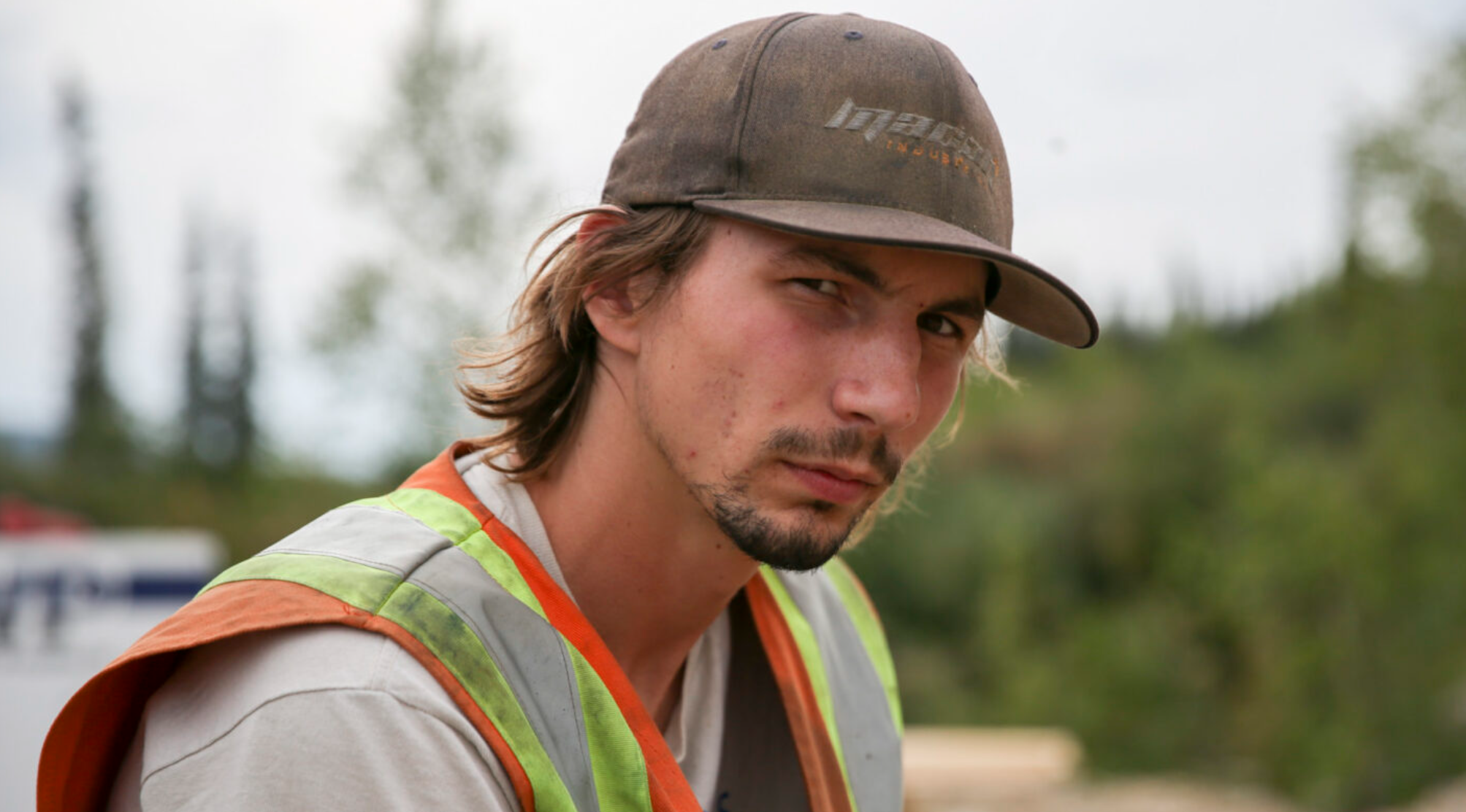
Yet the incident underscores a broader truth about Parker Schnabel’s Season 16. The operation is not being undone by a single failure, but by cumulative strain. Limited plant capacity, long haul distances, inconsistent ground, and aggressive equipment use have created an environment where setbacks carry outsized consequences.
From a production standpoint, the season illustrates the fine balance between efficiency and durability. Pushing equipment harder can deliver short-term gains, but it also increases the likelihood of costly breakdowns. For Parker, the challenge is no longer just finding gold—it is sustaining momentum without triggering failures that erase progress.
As the season continues, the pressure remains firmly in place. Two wash plants must perform as if they were three. Crews must move material faster without burning out machines. And every decision carries weight, because there are no spares waiting in reserve.
Season 16 may not be remembered for record-breaking cleanups, but it is shaping up to be a defining test of operational discipline. In the Klondike, survival is not always about striking rich ground. Sometimes, it is about keeping the trucks moving, the plants running, and the season alive—one repaired drive shaft at a time.