Parker Schnabel Smashes His Personal Record With A $42,000,000 Gold Season, so how did he make that money?
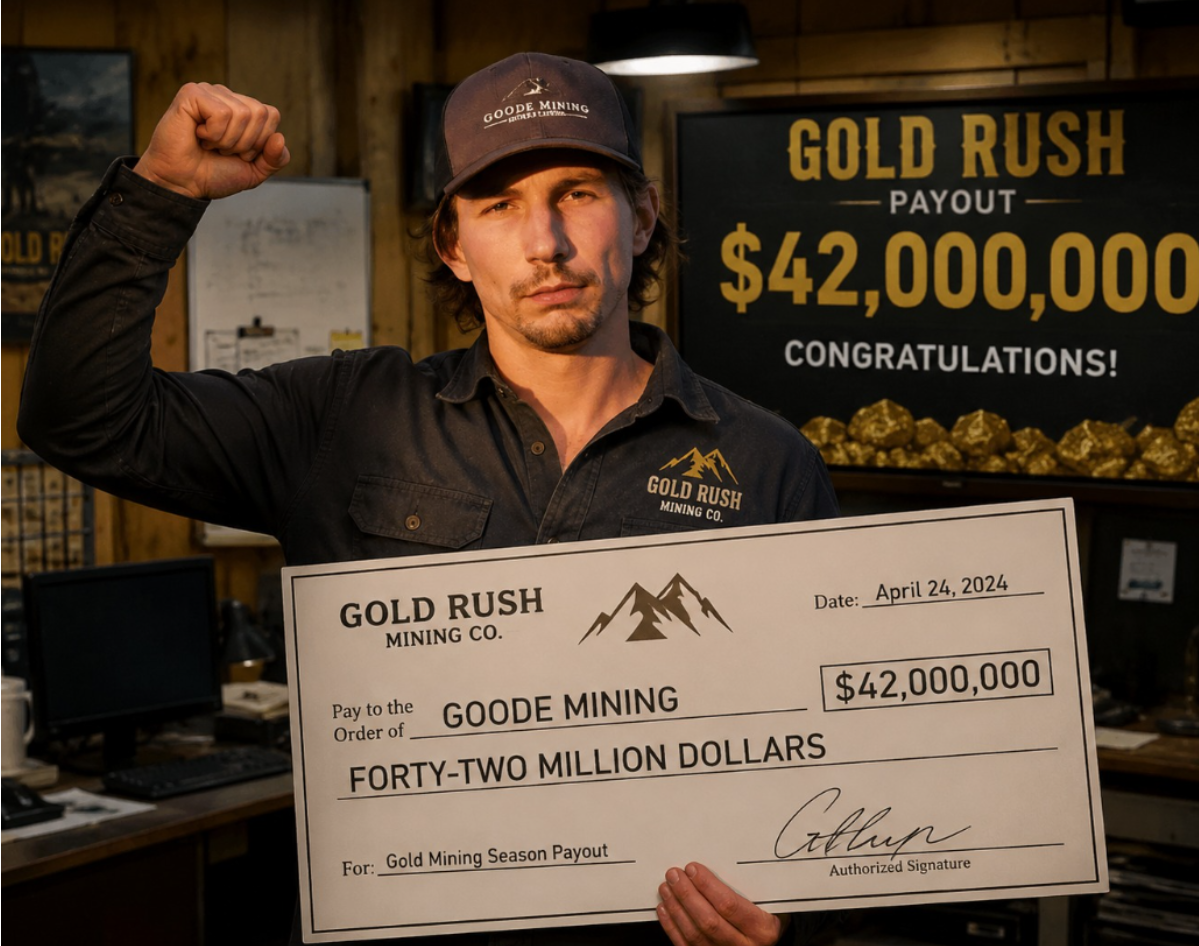
When Gold Rush Season 16 reached its final cleanup, Parker Schnabel’s number stood out above almost everything else on the screen: $42 million in gold. For many viewers, it looked like a simple conclusion. Parker had pulled a record-setting amount of gold from the Yukon, cementing his place as one of the most successful young miners in modern placer mining.
But the real financial picture is far more complicated than a number beside a gold scale.
At 31, Parker is no longer just the ambitious young miner who took over his family’s claim and fought to prove himself in the Klondike. He is now the operator of a large industrial mining business, a major television personality, and a long-term land investor. His Season 16 result was not only about gold. It was about cash flow, operating costs, television revenue, and the future value of the ground he controls.
The headline figure of $42 million may sound enormous, but it represents gross gold value rather than final income. In mining, that distinction matters. Every ounce must be paid for long before it reaches the scale. Fuel, machinery, wages, repairs, royalties, permits, transport, and land costs all come out before profit becomes real.
Parker’s operation at Dominion Creek was one of the largest ever seen on Gold Rush. Running at that scale means the fuel bill alone can become extraordinary. Heavy equipment runs for long hours, wash plants need constant support, and trucks, loaders, dozers, and excavators burn through diesel at a punishing rate. Industry-style estimates suggest fuel may have consumed more than $10 million of the season’s gold value.
Labor was another major cost. Parker’s crews were not simply working standard shifts in easy conditions. They were operating in remote terrain, often under pressure from weather, breakdowns, and the short Yukon mining season. Skilled operators, mechanics, foremen, and support workers are expensive, especially when the operation depends on keeping multiple sites moving at once.
Then come the less visible but equally important costs: land payments, royalties, maintenance, replacement parts, trucking, camp operations, and expensive repairs to machinery such as wash plants and earthmoving equipment. When all those expenses are added together, the real mining profit may be far lower than the television total suggests.
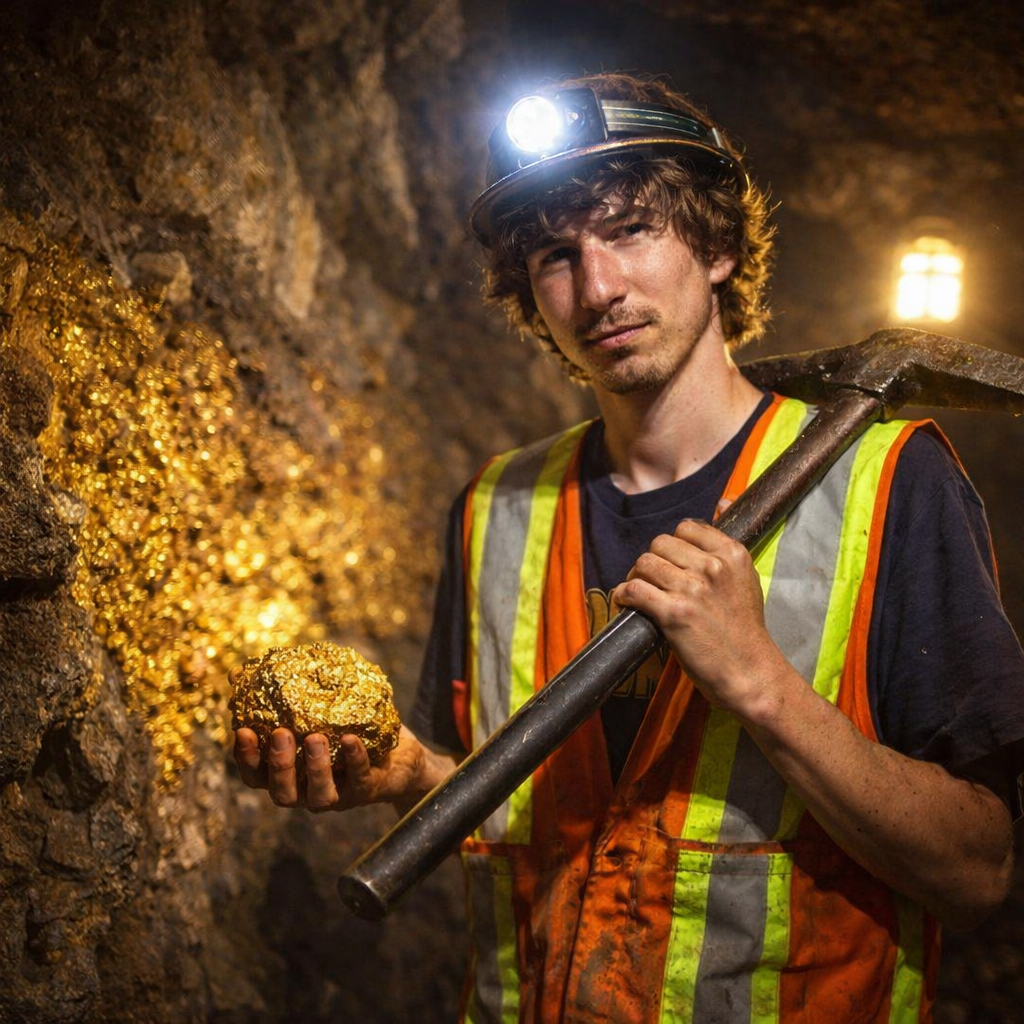
A reasonable estimate places Parker’s net mining profit from the season at roughly $13 million to $14 million before taxes and other corporate considerations. That remains an extraordinary result, but it shows why the $42 million figure should not be understood as personal take-home income.
However, Parker’s financial story does not stop with the gold.
One of the most important parts of his modern business is television. After more than a decade on Gold Rush, Parker is not merely a miner being followed by cameras. He is one of the central figures in one of Discovery’s most valuable reality franchises. His presence carries brand value, audience loyalty, and global recognition.
That status almost certainly brings a significant television income stream. While exact contract figures are private, Parker’s role as a long-running lead figure, combined with the success of Gold Rush and related programming, likely adds millions to his annual earnings. His spin-off series, Parker’s Trail, strengthens that position even further by giving him a separate platform beyond the main mining season.
This is where Parker’s empire becomes different from a traditional mining business. Mining income is expensive to produce. Television income, by comparison, carries far less operational burden for him personally. The machinery, fuel, and land costs that reduce mining profit do not affect media income in the same way. That means television money can act as a powerful stabilizer when mining becomes costly or uncertain.
There may also be additional value connected to brand partnerships, equipment relationships, appearances, and the international reach of the show. Parker’s name is now tied not only to gold but to the image of modern large-scale placer mining. That reputation has commercial value of its own.
The third part of Parker’s Season 16 success is land. This may be the least flashy but most important part of the story.
Rather than treating gold as quick money, Parker has repeatedly used successful seasons to expand his control over future mining ground. Dominion Creek and surrounding claims represent more than one season of income. They represent security for years ahead. By acquiring or controlling productive land, Parker turns temporary gold revenue into long-term business value.
That is the key difference between a miner chasing one good season and an operator building a lasting company. Gold can be sold and spent. Land with proven potential can support future seasons, attract investment, and increase in value as surrounding opportunities disappear.

From an analyst’s perspective, Season 16 may be remembered less for the $42 million number itself and more for what it revealed about Parker’s evolution. He is no longer operating as a young miner trying to survive. He is managing a multi-layered enterprise built on production, media power, and strategic land control.
The public sees the gold. The business story is deeper.
After expenses, Parker’s mining profit was likely far below the headline number, but his television income and long-term land position may have pushed his overall financial gain much higher than viewers realize. The result is a business model that many miners cannot match: gold provides the spectacle, television multiplies the income, and land secures the future.
Season 16 proved that Parker Schnabel is not simply one of the most successful miners on Gold Rush. He is one of the smartest operators in the modern Klondike economy. The $42 million total may have looked like the final answer, but in reality, it was only the most visible part of a much larger fortune.