Parker Schnabel’s Relentless Gold Rush Ambition Shows Why His Mining Story Is Far From Over
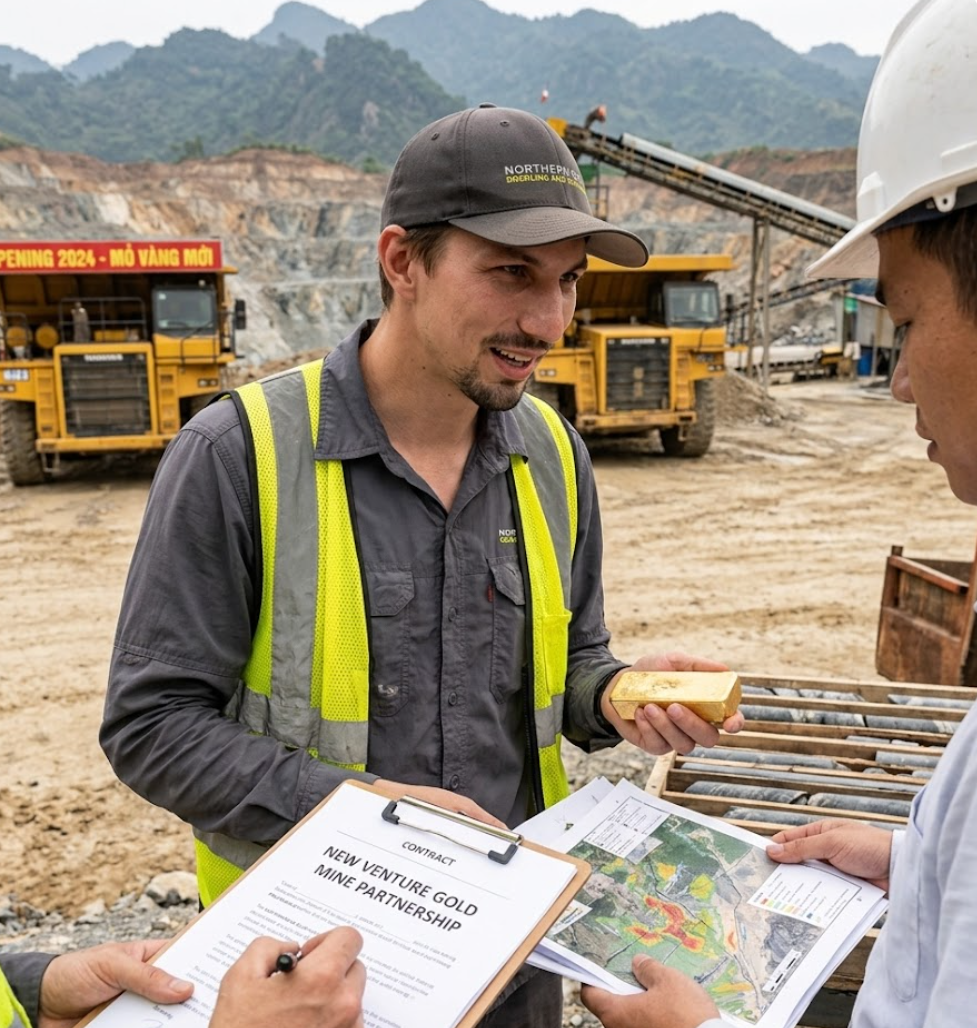
Parker Schnabel’s journey on Gold Rush has never been defined by comfort. It has been built on pressure, expensive decisions, exhausted machinery and the constant need to prove that every ounce of gold is worth the cost of finding it. In the latest chapter of his mining career, Parker once again finds himself balancing ambition against uncertainty as he pushes his team across multiple sites in pursuit of a bigger future.
The season places Parker in a familiar but difficult position. He is no longer the teenager who took over his grandfather John Schnabel’s Big Nugget Mine in Alaska. He is now an experienced operator with years of success behind him, a reputation as one of the most capable miners on television, and a business that demands constant reinvestment. Yet despite his achievements, Parker continues to chase new ground, new opportunities and larger returns.
That drive is at the center of his latest challenge. With his operation split between different targets, Parker has chosen a dual strategy. One part of the crew is digging deep into untouched ground, searching for richer deposits that could transform the season. Another group is focused on faster returns, trying to keep money moving through the operation while the more ambitious work continues.
It is a strategy that reflects the reality of modern mining. Parker cannot simply wait for perfect ground or perfect conditions. Fuel, wages, equipment, transport and repairs all keep costing money whether the gold is coming in or not. Every day without steady production puts more pressure on the business. That is why even a promising claim can become a problem if it takes too long to pay back.
Parker’s decision to invest $100,000 into a new Alaskan claim underlines his long-term mindset. Some miners might use past success as a reason to slow down. Parker appears to see it differently. His history shows a pattern of reinvesting in the business rather than stepping away from the hard work that built his career. The move into new ground may be costly, but it also shows that he is still thinking like an operator with something to build, not a television personality protecting a reputation.

The early results, however, show how difficult that path can be. A delayed wash plant delivery forced Parker into the uncomfortable position of leasing a substitute plant. For any mining operation, relying on borrowed or leased machinery creates an extra layer of uncertainty. The plant may not be perfectly suited to the ground. It may require constant monitoring. It may bring problems the crew did not plan for.
Foreman Mark’s concerns about unreliable leased equipment only add to the pressure. A wash plant is the heart of production. If it stops, the entire operation slows with it. Parker’s target of processing around 150 yards of material per hour shows how important efficiency has become. At that scale, even small delays can have a large financial impact.
The first weigh-ins give a mixed picture. A cleanup worth around $23,000 is encouraging, but it is not enough to ease every concern. It shows gold is present, but not yet at the level needed to guarantee profitability. For Parker, that creates the kind of tension that Gold Rush has always captured well: hope is visible, but certainty remains out of reach.
Then come stronger signs. Big Red produces around $90,000 in gold from a single cleanup, giving the team a much-needed lift. Slucifer delivers an even larger result, with 365 ounces valued at nearly $600,000. These moments remind viewers why Parker keeps accepting the pressure. When the ground performs and the machinery holds together, the rewards can be enormous.
Still, the show makes clear that success is not simply about finding gold. Running two sites at once creates serious logistical demands. Equipment must be moved. Crews must be managed. Plants must stay fed. Repairs must happen quickly. Parker must make decisions that affect not only the week’s gold total, but the entire direction of the season.
His leadership is therefore one of the most important parts of the story. Parker is not only chasing ounces. He is managing people. He rewards key crew members and distributes gold bonuses worth around $122,000, a move that helps build loyalty during a punishing season. In an industry where long days and constant breakdowns can wear people down, morale is not a small detail. It can be the difference between a crew that keeps pushing and one that begins to crack under pressure.
The personal side of Parker’s story also remains important. The source material points to a man who has earned significant wealth but continues to live with a practical, business-first mindset. Rather than focusing on luxury, Parker has repeatedly chosen to put money back into mining. That approach has helped him grow, but it has also come with personal costs. His intense focus on work has affected relationships and shaped much of his adult life.
Behind that drive is the legacy of John Schnabel. Parker’s grandfather remains one of the emotional foundations of his journey. John’s resilience, work ethic and belief in mining clearly helped shape Parker’s approach. For Parker, mining is not only a business. It is a continuation of a family story, one built on hard work, problem-solving and persistence.
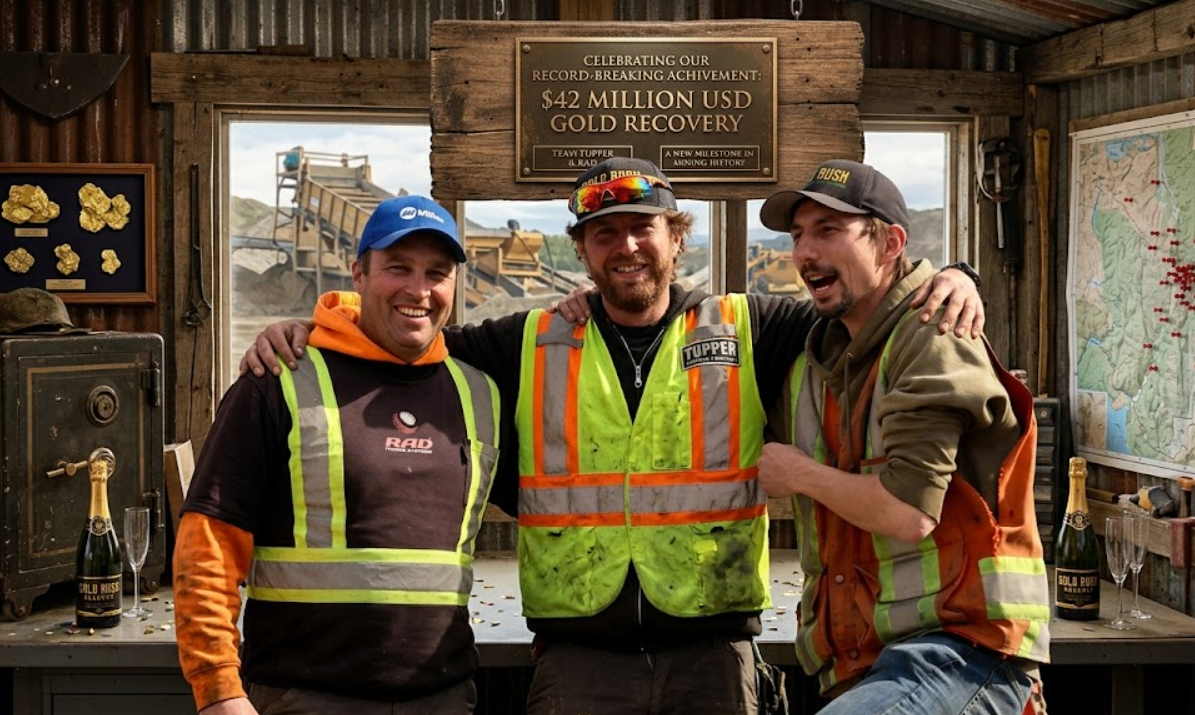
That is why Parker’s future on Gold Rush still feels wide open. He has already achieved more than many miners ever will, but his decisions suggest he is not ready to slow down. The new claim, the two-site operation, the crew development and the constant reinvestment all point toward a miner still trying to expand his reach.
As the season moves forward, the key question is whether Parker can turn potential into sustained production. The gold is there, but so are the obstacles. Equipment delays, operational complexity and financial pressure will continue to test him.
Yet that is exactly why Parker remains central to Gold Rush. His story is not simply about striking rich ground. It is about the discipline required to keep going when the numbers are uncertain, the machines are failing and the cost of every decision is rising.
Parker Schnabel’s journey is far from over. If anything, this season proves that his ambition is still growing, and that his place in modern gold mining is being shaped not by past success, but by what he is still willing to risk, build and endure.