Parker Schnabel’s Risks Deal: The Arrival of the “Golden Goose”
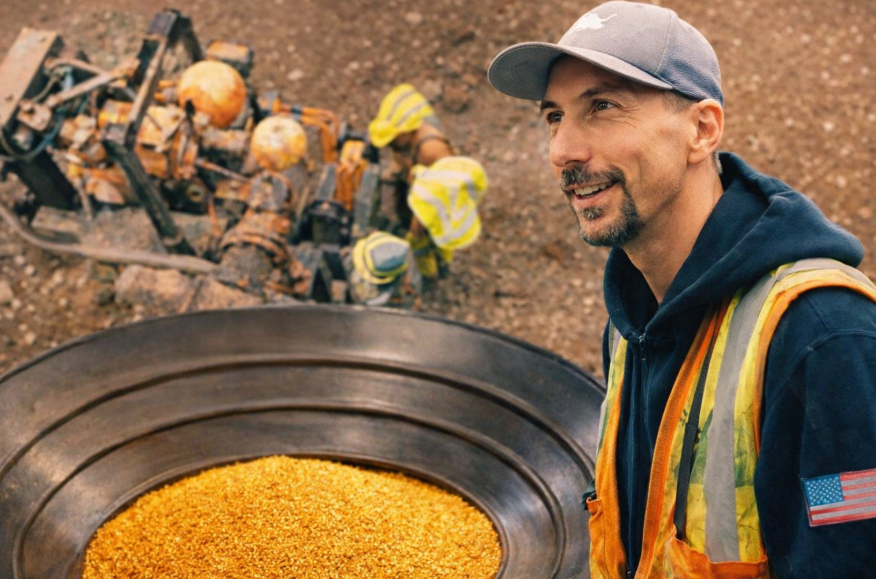
In the relentless pursuit of Klondike gold, Parker Schnabel has never been one to shy away from a massive investment. His latest play, centered around a titan of a wash plant nicknamed the “Golden Goose,” represents a multi-million dollar bet that could either cement his legacy as the king of the Yukon or become his most expensive mistake to date.
A New Titan in the Trenches
The energy at Parker’s Dominion Creek claim was electric as the crew prepared for the arrival of the SD-600, a colossal new wash plant. Parker didn’t just buy a machine; he commissioned a custom-built monster designed to process more dirt than anything he’s operated before. “This is the big one,” Parker noted, surveying the site. “If we want to hit our season goals, we need a machine that doesn’t just work—it dominates.”
The “Golden Goose” is a marvel of mining engineering, featuring advanced screening technology and a massive sluice box setup. However, its size presents its own set of challenges. Getting the plant from the manufacturer to the remote Yukon wilderness required a logistical operation akin to a military maneuver, involving multiple heavy-haul trucks and precision crane work.
The Million-Dollar Setup
The assembly of the Golden Goose was a race against time. With the mining season being notoriously short, every hour the plant sat idle was an hour of lost revenue. The crew, led by foreman Mitch Blaschke, worked around the clock to bolt together the massive steel components.
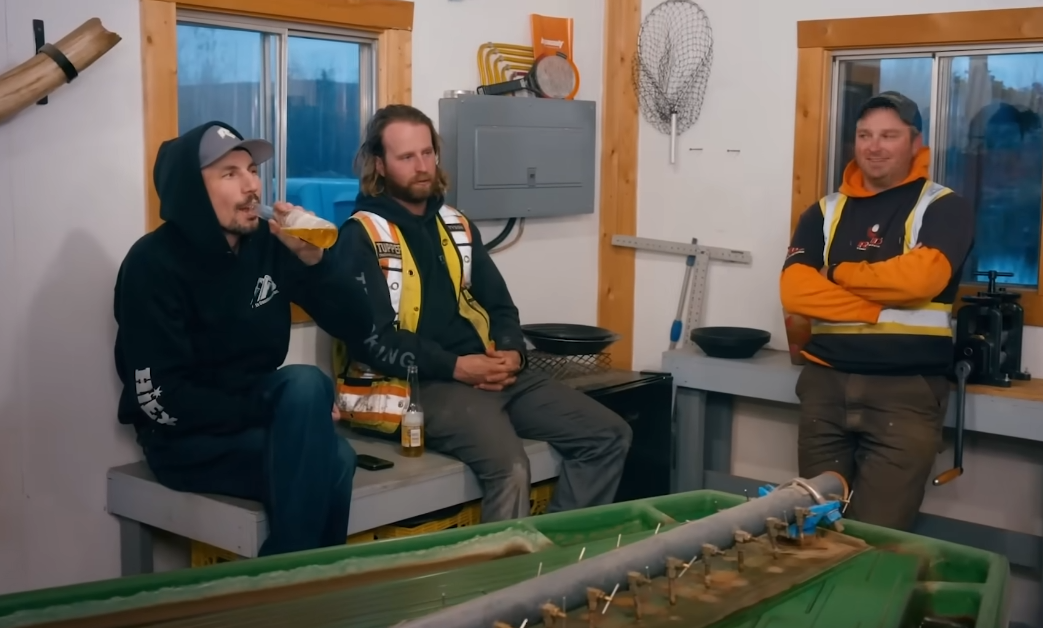
The complexity of the setup cannot be overstated. From aligning the high-pressure water pumps to ensuring the conveyor belts were perfectly tensioned, the margin for error was zero. “Everything on this plant is bigger and heavier,” Mitch explained. “One wrong move with the crane or a misaligned bolt, and you’re looking at weeks of repairs.” Parker’s investment isn’t just in the iron itself, but in the grueling labor required to make it functional.
High Risks and Higher Rewards
The pressure on Parker is immense. The acquisition and setup of the Golden Goose have cost upwards of $2 million. For most miners, this would be a career-ending debt if it failed. For Parker, it’s a calculated risk. The logic is simple: more throughput equals more gold. By processing lower-grade dirt at a much higher volume, Parker hopes to unlock profits from ground that other miners would consider “waste.”
However, the “Goose” is a thirsty bird. It requires a staggering amount of water and fuel to remain operational. This puts an additional strain on the claim’s infrastructure, requiring a sophisticated network of pipes and pumps to keep the slurry moving.
The Moment of Truth
As the final checks were completed, the moment of truth arrived. The roar of the massive diesel engines signaled the start of the Golden Goose’s first run. As the first buckets of paydirt were dumped into the hopper, the entire crew watched with bated breath.
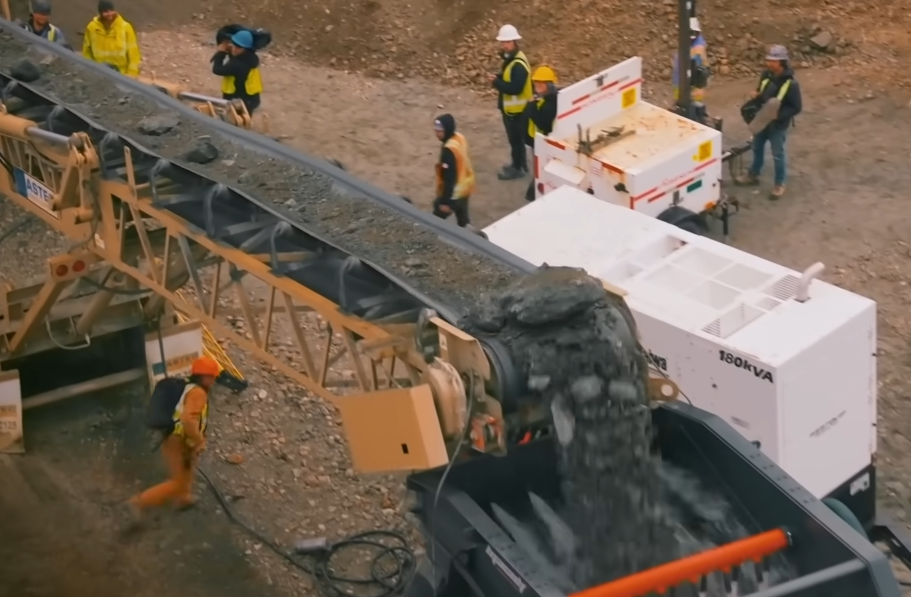
The initial results were promising, with the plant vibrating with the power of thousands of gallons of water per minute. But in the Yukon, “promising” isn’t enough. Parker needs the Golden Goose to be a “gold-making machine” to justify the massive overhead.
Conclusion
Parker Schnabel’s bet on the Golden Goose is a testament to his ambition and his willingness to go “all in.” As the sluice boxes begin to catch the first flakes of gold, only time will tell if this mechanical giant will live up to its name. If it succeeds, Parker will have redefined what is possible in modern placer mining. If it falters, it will serve as a stark reminder that in the Klondike, no matter how big your machine is, the Yukon always has the final say.