THE $3 MILLION REBOUND: Parker’s Crew Finally Paid After a Stunning Turn
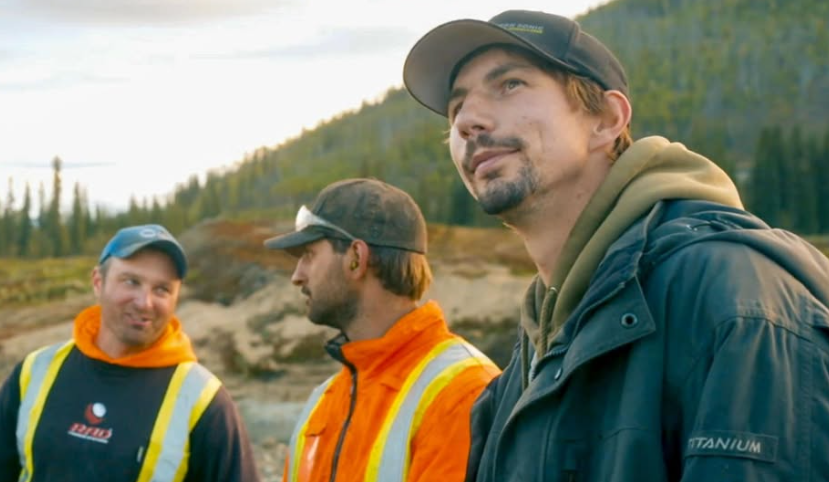
In the brutal landscape of the Klondike, silence is often the sound of a failing season. For the past several weeks, that silence has haunted the Schnabel operation. As fuel bills soared and gold recovery plummeted, the 31-year-old mining prodigy found himself staring down a $3 million operating deficit and a crew whose morale was teetering on the edge of collapse. However, following a “dangerous and decisive” shift in strategy, the tide has finally turned in a cleanup that is being hailed as the most significant emotional and financial payoff of Season 16.
The Survival Mode Squeeze
The crisis began with a stark disconnect between geological expectations and the reality of the earth. Despite running a high-intensity operation featuring multiple wash plants and a constant rotation of heavy machinery, the gold simply wasn’t appearing in the pans.
Parker’s overhead—consisting of thousands of dollars in daily diesel costs, intensive labor, and relentless maintenance—threatened to swallow the season whole. “We dived into this property head-first and are spending way more money than we ever have,” Schnabel admitted during the height of the tension. By mid-season, the “red marks” on the accounting sheets had turned the operation into a battle for pure survival.
The “Silent” Alarm: Crew Morale and Payment Tension
While the machines continued their mechanical hum, the human element of the mine was beginning to fracture. On a site where trust is built on results rather than promises, the lack of gold led to a “heavy atmosphere” where laughter disappeared and lunch breaks became exercises in anxious silence.
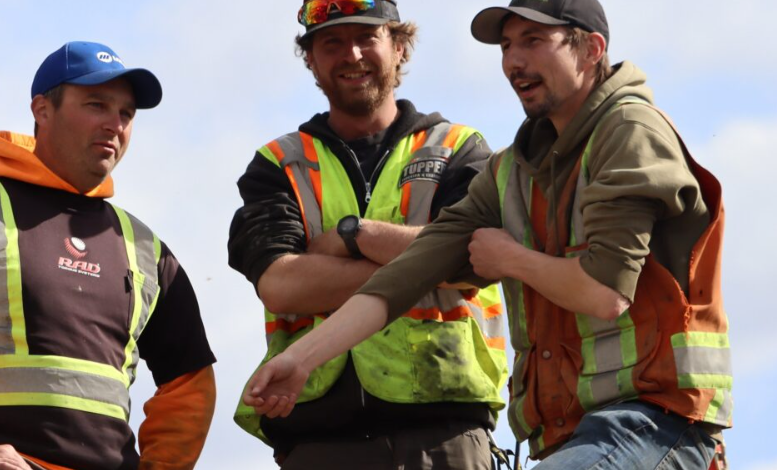
With miners away from their families and personal bills pending, the unspoken question—Will we get paid?—became an invisible alarm. Industry observers noted that Schnabel was balancing two fragile systems: the business and the humanity of his team. Had the cleanup failed again, the loss of respect could have been more damaging than the loss of capital.
The Turning Point: A High-Risk Tactical Shift
Faced with a slow slide into failure, Schnabel rejected the “safe” advice of veteran miners who suggested stabilizing the current cut. Instead, he made a high-risk “final call” to pivot the entire operation’s focus. The move put immense pressure on the mechanical limits of the wash plants and the belt systems, risking a season-ending structural breakdown for a chance at higher-grade pay.
The initial test run of this new strategy was met with bated breath. For the first few minutes, the gold flow remained unchanged. Then, a shift occurred. “The gold in the pan began to shine a little brighter,” one crew member noted. “The material from the conveyor was behaving differently.”
The Shocking Reveal
The final cleanup of the week didn’t just meet expectations; it shattered them. As the scales finally settled, the disbelief in the Gold Room transitioned into a profound sense of relief. The numbers on the accounting table rose rapidly, clearing the path for the crew’s long-awaited payments.
This transaction was more than a financial exchange; it was a rebuilding of trust. “Payment wasn’t just about dollars,” reported an on-site source. “It meant that the hard work was seen and valued.”
From Struggle to Comeback
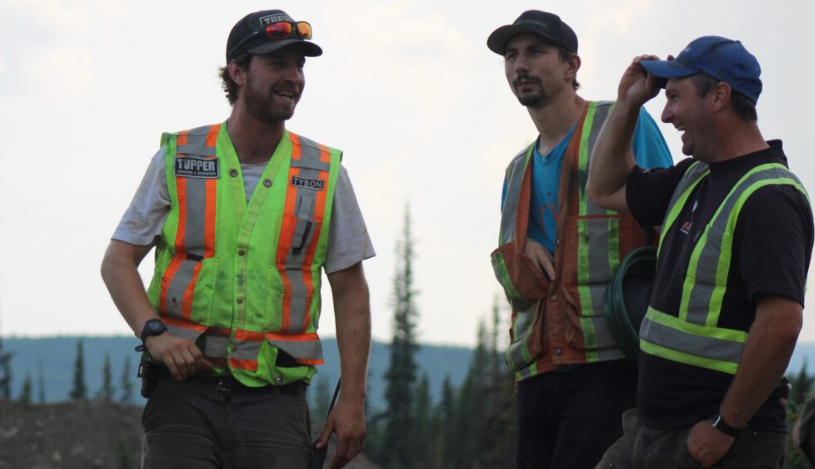
With the crew paid and the “Golden Mile” finally yielding its secrets, the narrative of Season 16 has shifted from a story of survival to one of a calculated comeback. Schnabel is no longer in defensive mode; he is looking toward expansion.
The Klondike has once again proven that in gold mining, the biggest risk isn’t the ground—it’s the hesitation to change when the ground stops giving. For the Schnabel crew, the “ultimate truth” of the gold rush was revealed this week: history isn’t made by those who play it safe, but by those who can handle the pressure of the threshold.