The Crossroads of the Klondike: Will Rick Ness Scale Up or Down After Season 16?
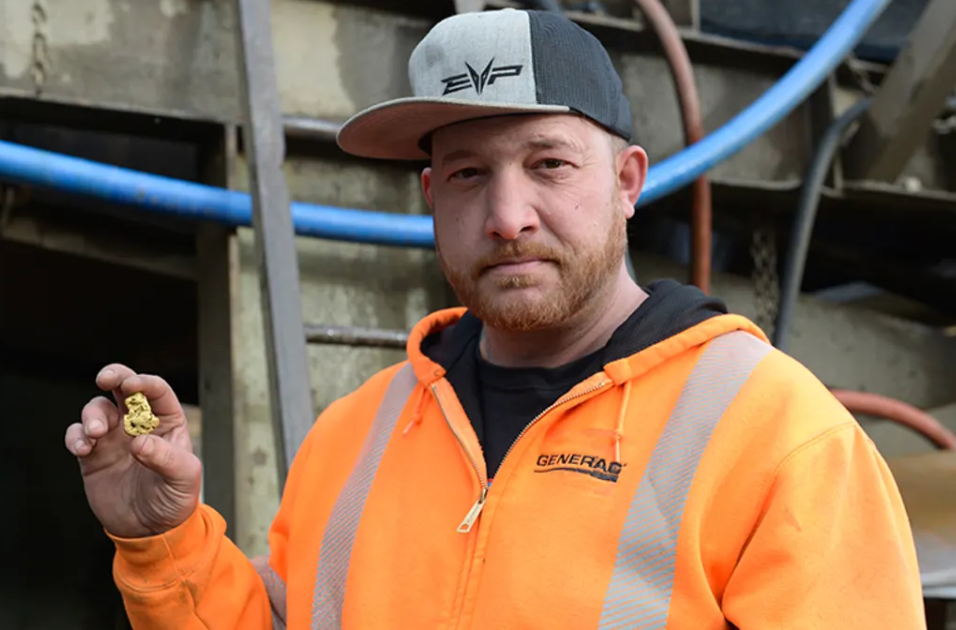
As the dust settles on a historic Season 16 of Gold Rush, the leaderboard tells a story of two different worlds. While the “Big Two”—Tony Beets and Parker Schnabel—battled for supremacy with hauls exceeding $40 million each, Rick Ness finished his season with a hard-fought $7 million. While this total is a triumph of resilience, it places the fan-favorite mine boss at a critical strategic crossroads. As the winter freeze sets in, the industry is abuzz with speculation: In 2027, will Rick Ness double down on expansion, or will he pivot to a “lean and mean” strategy to protect his hard-earned capital?
The Argument for Expansion: The “Go Big or Go Home” Gamble
For Rick to ever bridge the gap between himself and the titans of the Yukon, the logical path is growth. Mining is a game of yardage; the more dirt you move, the more gold you find. With $7 million in the bank, Rick finally has the “dry powder” to move away from the underdog narrative.
Expansion would mean investing in high-capacity iron. Throughout Season 16, Rick was frequently limited by the mechanical reliability of his fleet, often relying on a crucial equipment loan from Parker Schnabel to stay afloat. To scale up, Rick would need to purchase his own heavy-duty dozers and a custom-built wash plant capable of running 200 yards per hour.
Proponents of this plan argue that “mining small” is actually more dangerous in the long run. High fuel costs and labor expenses can eat a small operation alive. By scaling up, Rick could lower his “cost per ounce,” making his business more resilient to fluctuating gold prices.
The Case for Contraction: The “Preservation” Play
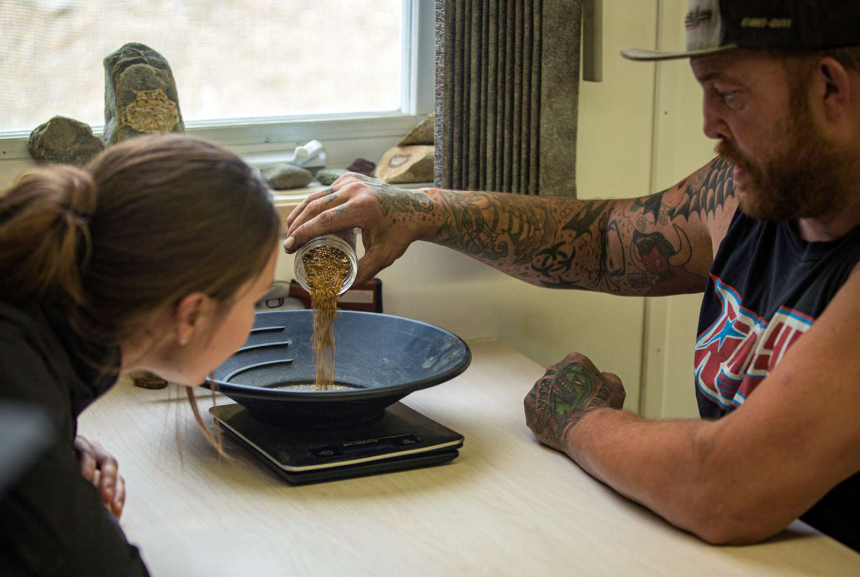
However, many industry insiders suggest that Rick’s smartest move would be to shrink his footprint. Rick has survived a “death spiral” of debt and mental exhaustion. After finally clearing his balance sheet, the risk of a massive capital expenditure could be his undoing.
A “lean” strategy would involve:
-
Targeting High-Grade Pockets: Instead of moving massive amounts of mediocre dirt, Rick could focus on small, “jewelry box” cuts that require less fuel and fewer operators.
-
Reducing Overhead: By running a smaller, hand-picked crew of “ride-or-die” veterans, Rick can minimize the management headaches and labor costs that plagued Parker this season.
-
Capital Preservation: After years of financial volatility, holding onto his $7 million windfall would give Rick the ultimate luxury in the Klondike: peace of mind.
The “Ness” Factor: A Personal Legacy
What sets Rick apart from his rivals is his humanity. Unlike the corporate-style expansion seen at Dominion Creek, Rick’s operation is built on personal relationships. Expansion often leads to a “colder” management style—something that contributed to the mass desertion at Parker’s camp this year.
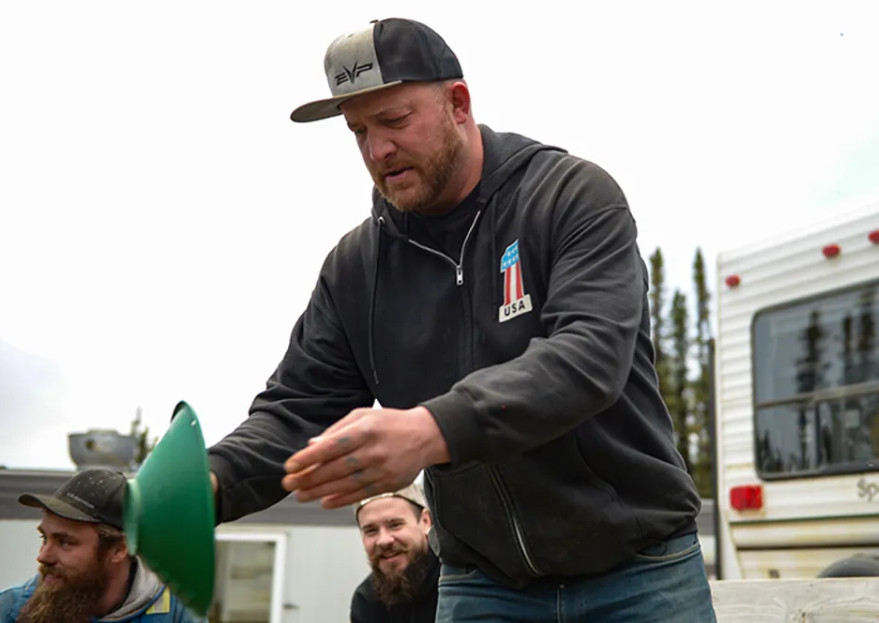
If Rick chooses to expand too quickly, he risks losing the “team spirit” that is his greatest asset. Conversely, if he shrinks too much, he risks becoming irrelevant in a territory that is increasingly dominated by industrial giants.
The Verdict: The “Smart” Middle Ground
The most likely scenario for 2027 isn’t a massive expansion, but a strategic modernization. Rick is expected to use his Season 16 profits to replace his “weakest links”—the aging machines that caused his mid-season slump—without significantly increasing the size of his crew or his land holdings.
By upgrading his existing footprint with reliable, modern iron, Rick can ensure that the $7 million he earns is “clean” profit, rather than money spent on constant repairs. Rick Ness doesn’t need to be a $40 million miner to be successful; he just needs to be a stable one.
As the Yukon prepares for the 2027 season, Rick’s fate depends on his ability to balance ambition with reality. He has proven he can survive the storm; now, he must prove he can manage the calm. Whether he scales up or down, the Klondike is rooting for the man who proved that you don’t need the biggest total to have the biggest heart.