THE DOMINION DISCIPLINE: Parker Schnabel’s 10,000-Ounce Mandate Forces a “Weakest Link” Cut
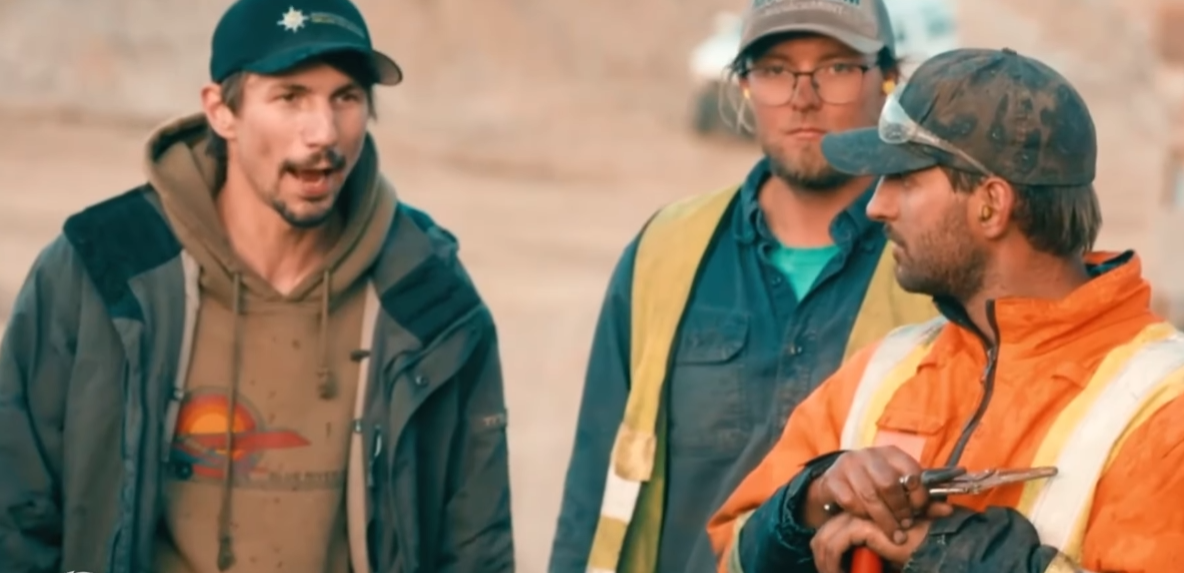
The pursuit of a historic 10,000-ounce season has transformed Dominion Creek from a mere mining claim into a high-pressure laboratory of human performance. This week, the relentless drive of 31-year-old Parker Schnabel shifted from mechanical efficiency to personnel accountability, resulting in a “survival of the fittest” mandate that has sent ripples through the Klondike.
The directive was issued with the quiet coldness typical of a Yukon morning: with a new operator arriving and no room for a growing payroll, the current crew had to shrink. For foreman Tyson Lee, the order was a heavy professional burden—a requirement to identify and remove the “weakest link” to ensure the survival of the broader operation.
The Breakdown at the Bridge Cut
The spotlight of scrutiny first fell on the Bridge Cut, where the wash plant “Big Bob” was being fed by newcomer Charlie Carlton. Despite Carlton’s claims of 20 years of heavy equipment experience, the mechanical data told a different story.
Tyson Lee observed the loader hesitating, the rear axle temperatures spiking, and a pattern of “riding the brakes” that signaled fundamental inexperience. In an operation where a single mechanical failure can stall a multi-million dollar week, the margin for a “learning curve” has officially hit zero.
“Dominion Creek isn’t a training ground,” Lee noted after attempting to coach Carlton alongside veteran Sandy Dubois. When the gap between promised expertise and actual performance failed to close, Lee made the decisive call. Carlton’s Yukon dream ended at the edge of the cut, his 20-year resume ringing hollow against the silence of a shut-down loader.

Missed Pockets and Demotions
The tension extended to the “Golden Mile,” where Kaden Foot—a recruit from the rival Beets crew—faced his own reckoning. While Foot possessed the confidence typical of the Klondike, his technical execution left “pockets of pay” buried beneath poorly controlled water.
Tyson Lee personally descended into the cut to demonstrate proper ditching techniques, revealing gold-bearing gravel that Foot had overlooked. While Foot avoided termination, his overconfidence resulted in a swift demotion to loader duty at Sulphur Creek—a move that underscored Schnabel’s new hierarchy: performance over potential.
The Evolution of a “Real Boss”
Industry analysts and long-time viewers have noted a significant shift in Parker Schnabel’s leadership style during Season 16. The impulsive, shouting teenager of the early Discovery Channel years has been replaced by a quiet, strategic executive.
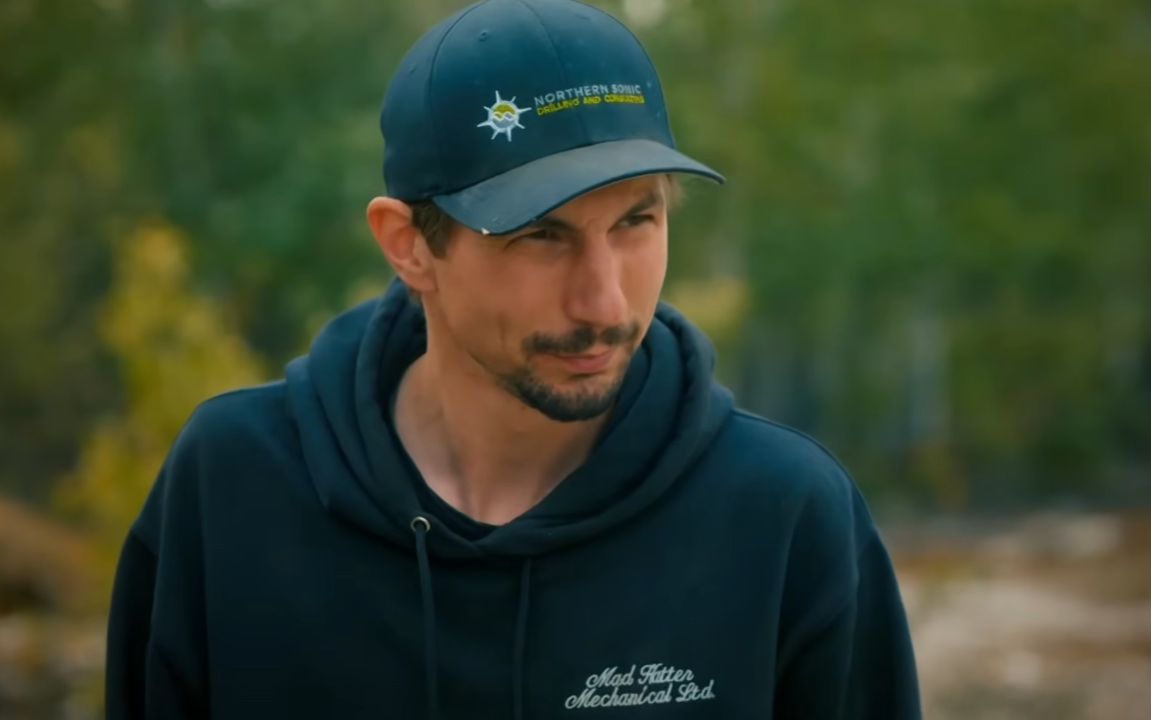
By delegating the “firing” authority to foremen like Lee, Schnabel is demonstrating a maturity in leadership that prioritizes the system over the individual.
-
The “Zero Footprint” Standard: Decisions are made based on machine data and gold recovery, not personal bias.
-
Strategic Delegation: Trusting subordinates to make the “hard calls” to maintain operational integrity.
-
Accountability: Ensuring that protecting one underperformer does not come at the expense of the dozens of hardworking crew members whose livelihoods depend on a successful season.
The 10,000-Ounce Horizon
As the wash plants continue to roar, the message at Dominion Creek is unmistakable: Life doesn’t eliminate people; it eliminates excuses. With Carlton gone and Foot demoted, the remaining crew is on notice. In the unforgiving world of Yukon gold mining, compassion is measured by the success of the team, and excellence is the only insurance policy against the “Weakest Link” cut.