THE KLONDIKE KINGS’ CROSSROADS: Tony Beets Makes Seven-Figure Buyout Offer for Rick Ness’s Duncan Creek
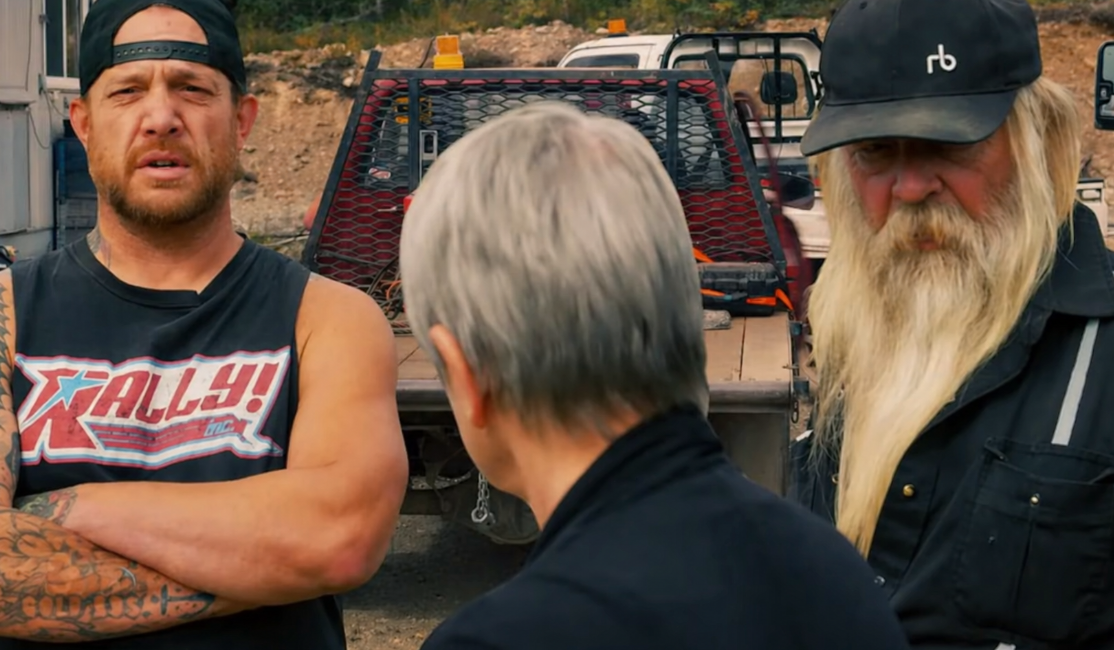
The hierarchy of the Klondike gold fields was shaken this week following a high-stakes meeting between two of the industry’s most prominent figures. Tony Beets, the undisputed “King of the Klondike,” has reportedly placed a massive seven-figure buyout offer on the table for Duncan Creek—the ambitious flagship claim currently held by a struggling Rick Ness.
The offer marks a potential turning point in a season defined by geological frustration and mounting financial pressure for Ness. For Beets, it represents a predatory, masterclass move in strategic acquisition; for Ness, it is a choice between the dream of independence and the safety of a life-changing exit.
The Valhalla Blow
The momentum for the deal began following a devastating setback at Rick Ness’s Valhalla cut. After investing a month of labor and approximately $1 million in operational costs, the team struck “dead ground.” Instead of the expected gold-bearing gravels, Ness’s excavators uncovered a wall of worthless clay.
In placer mining, clay is more than a disappointment; it is a logistical parasite. It slows wash plants, clogs sluice boxes, and consumes fuel without returning a single ounce of gold. For a mid-sized operator like Ness, the loss of $1 million in a single month is not just a setback—it is an existential threat.
Scale: The Great Divider
When Tony Beets arrived at the Duncan Creek camp—nominally to pick up a rock truck—the conversation quickly shifted from pleasantries to the cold reality of industrial logistics. Ness candidly admitted that while Duncan Creek holds an estimated $50 million in gold, the cost of extraction has become prohibitive for his current fleet.
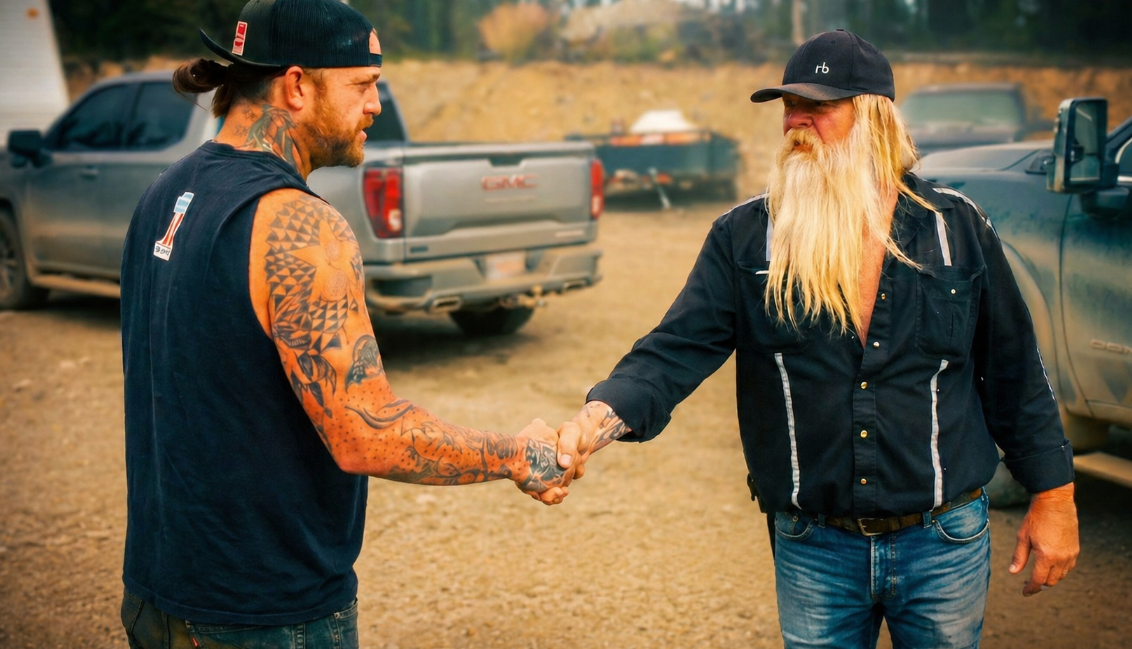
The Duncan Creek claims require stripping roughly 50 feet of overburden before reaching the ancient gold-bearing channels. For Ness, this is an uphill battle against rising fuel costs and equipment failure. For Beets, however, the challenge is a matter of simple mobilization. Where Ness struggles to find the capital for five trucks, Beets can deploy twenty.
“Mining is as much about logistics as geology,” industry analysts note. Tony Beets has built an empire on the principle that deep cuts are only profitable for those who possess the “scale” to endure the expensive early stages of stripping.
The “Seven-Figure” Equation
While the exact numbers remain confidential, sources close to the production report that Beets’ offer is a guaranteed seven-figure payout. For Ness, the decision is steeped in emotional complexity:
-
The Case for Selling: Accepting the buyout would erase years of debt, provide immediate financial security, and reward a decade of sacrifice in the Yukon. It would transform a season of struggle into a strategic victory.
-
The Case for Staying: Duncan Creek represents Ness’s identity as an independent owner. To sell now, on the heels of a bad cut, could feel like surrendering just before reaching the “pay streak.”
The “Old Fox” Strikes
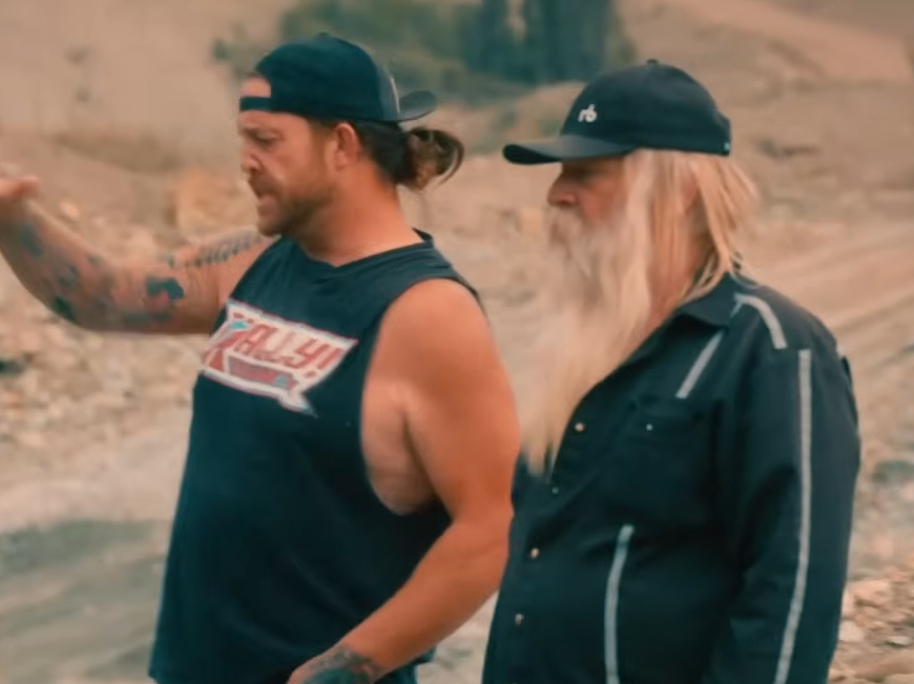
Tony Beets’ timing is no coincidence. Known as the “Old Fox,” Beets understands that the best time to acquire a high-value asset is when the owner is “exhausted rather than thriving.” By offering a payday when Ness is reeling from the Valhalla clay discovery, Beets is positioning himself to acquire four miles of prime gold-bearing creek at a price that likely reflects Ness’s immediate need for liquidity.
A Decision Pending
As Beets left the camp, he reportedly left Ness in a state of deep reflection. The choice is a classic mining dilemma: Is it better to own 100% of a struggle, or take a massive payout and watch someone else reap the ultimate rewards?
The gold buried beneath the 50 feet of Duncan Creek overburden isn’t going anywhere, but Rick Ness’s patience and capital might be. As the Klondike winter approaches, the industry waits to see if Ness will keep digging or if the “King” will add another four miles of gold to his ever-expanding empire.