Tony Beets’ High-Risk Engine Replacement That Could Save His Season
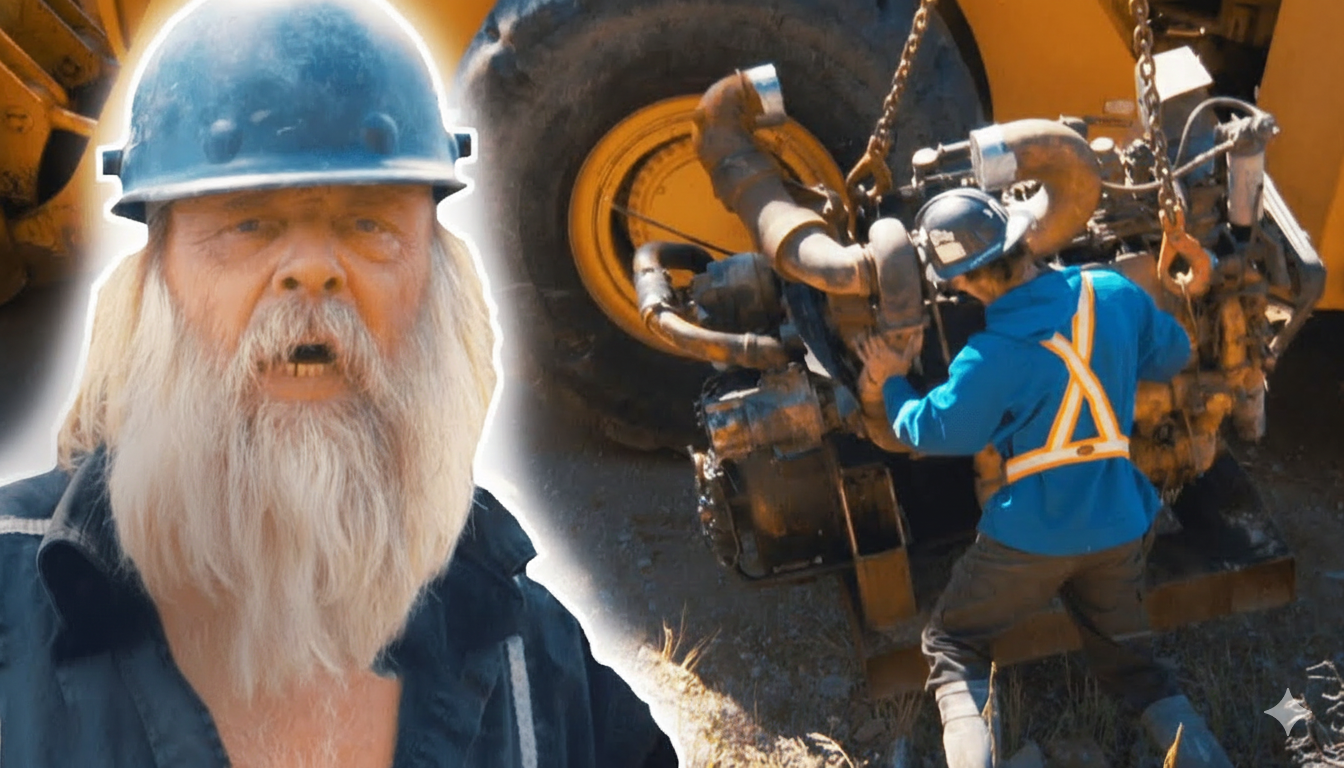
In the unforgiving world of Yukon mining, even the most experienced operators must confront the brutal truth that machines—no matter how large or expensive—fail when least expected. For Tony Beets, widely recognized as the “King of the Klondike,” this week delivered one of the toughest mechanical setbacks of his long career: every loader in his fleet went down at the same time, halting production and costing his operation an estimated $60,000 per day.
A mining season in the far north leaves no room for extended downtime. With the pay dirt waiting, wash plants idle, and crews on standby, Tony knew he needed an immediate solution. And in typical Beets fashion, he refused to wait for parts or accept delays. Instead, he reached for one of the most unconventional rescue plans seen this season.
A Loader, a Hill, and a Radical Idea
On the far side of Paradise Hill sat a broken loader with a seized engine—out of service for years. For most operators, the logical move would be transporting the machine back to camp using heavy haul equipment. But Tony had a different idea.
“I got an engine in the boneyard,” he said. “Why don’t I bring that to the loader, fix it up, and bring it home? Saves us a whole bunch of hauling.”
The challenge, however, was the loader’s location. Wedged on a steep incline with almost no room to maneuver, it was inaccessible to traditional lifting equipment. The solution: a side boom, a machine normally used to place heavy pipes in uneven terrain. If it could lift pipelines weighing tons, it could lift an engine.
The plan was simple in theory but extremely delicate in execution—drive up the side boom, lift the engine straight out of the loader’s chassis, swap it with the spare, and fire up the machine where it sat.
Against all odds, it worked. With careful coordination and a steady hand on the controls, Tony’s crew lifted the engine in place. Hoses were connected, belts secured, fluids topped up. Within hours, a machine forgotten for half a decade came roaring back to life.
Or so it seemed.
A New Problem Emerges
Moments after the engine fired, something was clearly wrong. The loader struggled, bogged down by resistance somewhere in its internal systems.
“Something is loading up the engine,” Tony said. “It can only be hydraulics or the transmission.”
Unfortunately, neither system was responding normally. Despite reviving the engine, the loader refused to move. With the mining season slipping by and the bill rising by the minute, Tony finally admitted defeat—for now.
“Just because you swap the engine doesn’t mean the transmission wants to cooperate,” he noted, shaking his head.
The loader was still trapped. And the window for restoring production was closing fast.
The Tow Bar Plan
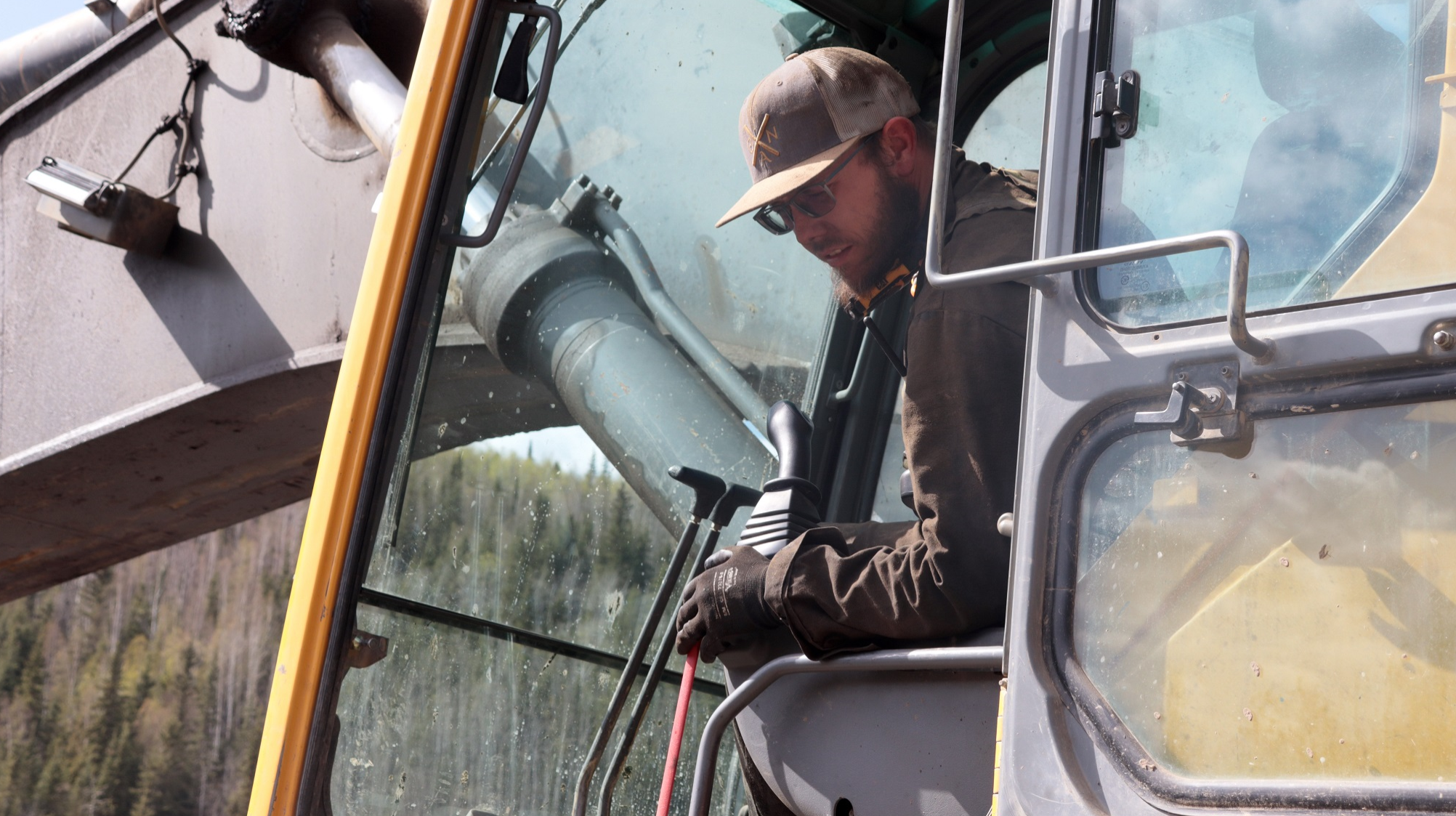
Unwilling to abandon the machine, Tony ordered a new strategy: haul the entire 48-ton loader back to camp for a complete transmission overhaul. To do that, his crew needed something powerful enough to pull the immobilized giant across miles of rugged Klondike terrain.
Enter the Caterpillar D10 Dozer, a 520-horsepower workhorse weighing more than 60 tons. Before towing, Tony asked fabricator Cody to build a custom steel tow bar strong enough to latch onto the loader’s bucket and withstand the enormous strain of the journey.
Once the bar was finished and the D10 prepped, Tony brought in his son Mike—one of the most dependable heavy equipment operators on the show—to take charge of the haul.
The challenge was immense. Navigating steep grades, loose gravel, and narrow roads with nearly 110 tons of combined machine weight required absolute precision. For four slow, steady hours, Mike guided the D10 forward, inch by inch, pulling the dead loader six miles back to the Beets yard.
By the time they arrived, even Tony had to admit he should have tried this sooner.
The Hidden Problem Revealed
The next morning, head mechanic Kevin Beets dug into the transmission, determined to revive the machine once and for all. It didn’t take long to find the issue: several internal valves were stuck tight, preventing the system from engaging and locking the drivetrain.
“It was a real pain to get them out,” Kevin explained. “But this should mean the transmission is free to move now.”
With the valves cleaned and reset, the loader was ready for another test. This time, the engine turned smoothly. The hydraulics engaged. The wheels responded. After four costly days of downtime, the Beets crew finally had a working loader again.
Production Resumes — and the Deadline Looms
With the loader back online, Tony’s team could finally return to consistent runtime at the trommel. Every hour counted. With a seasonal target of 3,000 ounces, the crew needed full production capacity to stay on track. For Tony Beets, whose mining operation depends heavily on uptime, this repair was more than a mechanical victory—it was the difference between falling behind and staying competitive.
The week tested the limits of Tony’s ingenuity, patience, and mechanical resilience. But as always, the King of the Klondike found a way to keep going.
And with his loader resurrected, his fleet recovering, and his crew back to digging, the push toward season success continues.