Tony Beets’ Prospecting Uncovers A Potential $1,000,000 Gold Site – And It Could Rescue His Season
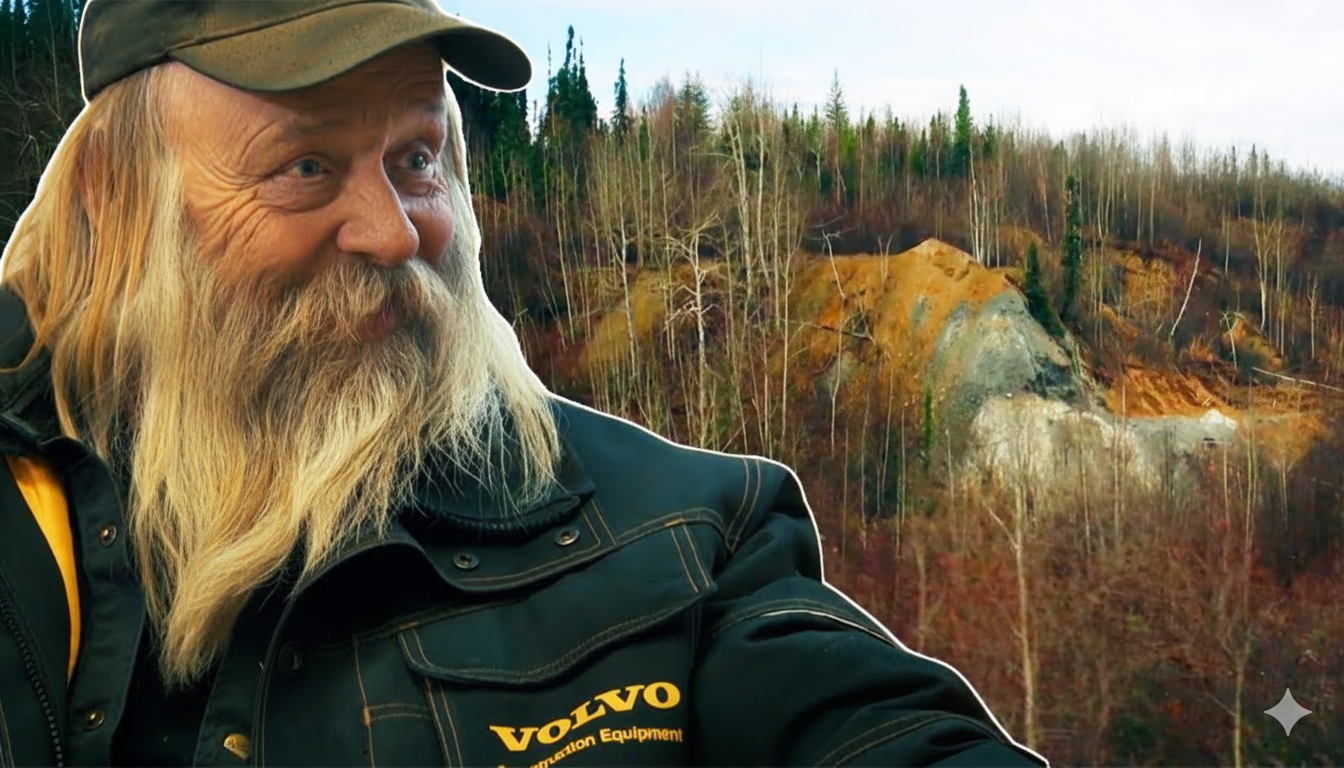
For decades, the Klondike has rewarded only those willing to dig deeper, push harder, and outthink the miners who came generations before them. Few embody that mindset more than Tony Beets, the man known across Gold Rush as the “King of the Klondike.” But this season, pressure has mounted like never before. With costs rising, ground availability dwindling, and two wash plants sitting idle, Tony urgently needs a breakthrough.
Unexpectedly, that breakthrough may have arrived—not from high-tech surveys or million-dollar investments—but from clues left behind in the 1890s by miners armed with little more than shovels, wooden sluices, and old-fashioned grit.
A Landscape Marked by Old-Timers — and Hidden Clues
The story begins on a quiet stretch of Paradise Hill. Tony, accompanied by his son Kevin, walks through brush-covered slopes carved by generations of prospectors. To most people, the shallow ditches, odd mounds, and stagnant pools would appear random. But to Tony, they are breadcrumbs leading toward potential fortune.
“See, where did they go? What did they do? What did they know that I don’t know yet?” Tony remarks as he examines the terrain. Birch trees growing in unlikely places signal disturbed ground; exposed trenches hint at monitored cuts; an abandoned shaft reveals timeless ambition.
The discovery that stops Tony in his tracks, however, is the presence of quartz. “Where there’s quartz, there’s often gold,” he notes, kneeling beside the exposed vein. It’s the same mineral signature found in his lucrative Mega Cut. If the old miners uncovered it—but failed to reach the deeper pay layer—Tony may now be standing on ground they underestimated.
Testing the Theory — And a Costly Breakdown
To test the old-timers’ work, Tony brings in a 220 excavator to punch a fresh test hole. The optimism is short-lived: hydraulic failure sends Kevin scrambling to repair a snapped component that “isn’t just broken—it’s broken.”
With the excavator offline, Tony continues exploring on foot, uncovering even more evidence of extensive 19th-century activity: washed gullies, water-driven channels, and monitor scars carved into the hillside.
“You can clearly see they monitored a whole big trench through there,” Tony says. “What were they looking for?”
The clues are promising, but speculation only goes so far. To confirm whether gold-rich gravel still lies beneath the surface, Tony calls in drilling specialist Liam Ferguson.
Drilling Begins — at a Steep Price
At $20,000 for just two test holes, drilling is a gamble that Tony cannot afford to lose, especially in a season where setbacks have mounted weekly.
Liam positions the first drill 300 feet from the second, targeting the possible continuation of a light-colored gravel channel—the geological “signature” of payable ground.
The first results are discouraging: false bedrock, an unpredictable layer that can mislead even the most experienced miners. But the second drill hole delivers something entirely different.
The Results That Change Everything
When Tony reunites with Liam to review the findings, the atmosphere shifts immediately.
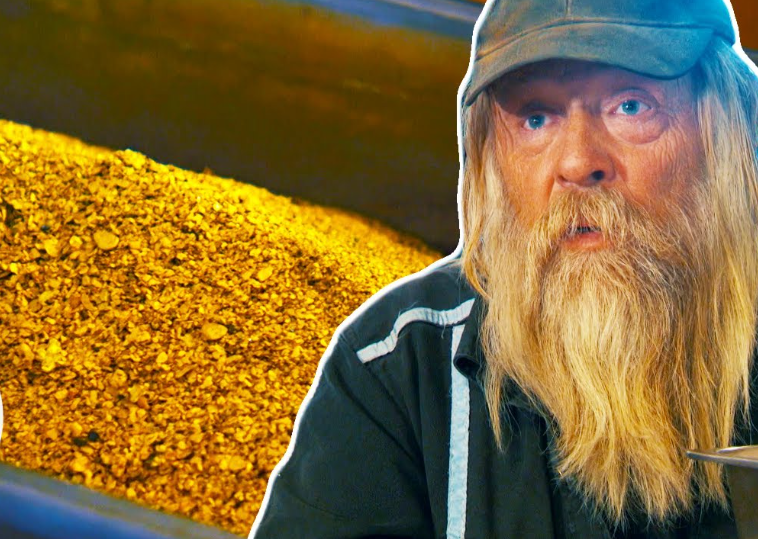
“In the second hole, we saw some pretty good grades,” Liam reports. What follows is the kind of news every miner dreams of hearing:
-
An ounce per 100 yards in the upper layer
-
Up to 1.25–1.5 ounces per 100 yards at depth
In the Klondike, those numbers are exceptional. They surpass even the Mega Cut—the crown jewel of Tony’s previous seasons.
Tony barely hides his excitement: “I’m very happy with this.”
Based on Liam’s estimates, one week of mining could yield nearly a million dollars. More importantly, the reserve appears large enough to sustain operations deep into the future.
“This is an awesome piece of ground,” Tony says with a grin. “We’re going to take that out.”
Why Old-Timers Missed the Pay Layer
The discovery raises an intriguing geological puzzle: how did 1890s miners overlook such rich ground?
Tony believes the answer lies in physical limitations. The old-timers dug by hand, used water monitors to wash hillsides, and relied on primitive sluices. Their shafts seldom reached deeper than 20–40 feet. If the true pay layer sat beneath that, they simply never reached it.
“Did he go deep enough?” Tony wonders aloud at one shaft. The drill results suggest the answer is no.
That gap—between their limitations and today’s heavy equipment—may become Tony’s biggest opportunity of the season.

A Season on the Brink — and Now a Path Forward
For weeks, Tony has faced a dangerous reality: without new pay dirt, both of his massive wash plants risk sitting silent. A shutdown this early in the season would erase all early gains and threaten his ambitious ounce targets.
This new ground could reverse that trajectory entirely.
-
High-value pay
-
Massive reserve size
-
Geological continuity across the hillside
It is, in every sense, the lifeline Tony needs.
Looking Ahead: Can Tony Turn Clues Into Gold?
The hillside that once served as a forgotten monument to the miners of the 1890s is now poised to become the centerpiece of Tony’s comeback. The King of the Klondike has always believed that the land holds more secrets than most miners ever discover—and this time, the land may prove him right.
With fresh drilling data, rich gravel beneath his boots, and renewed confidence, Tony Beets appears ready to reclaim his momentum. The next challenge will be mobilizing equipment, stripping overburden, and feeding his wash plants before the season clock runs out.
For now, one thing is certain:
Paradise Hill has more to give—and Tony intends to take every ounce.