A Silver Coin Found Among the Dunfield Spoils: A Groundbreaking Discovery on Oak Island
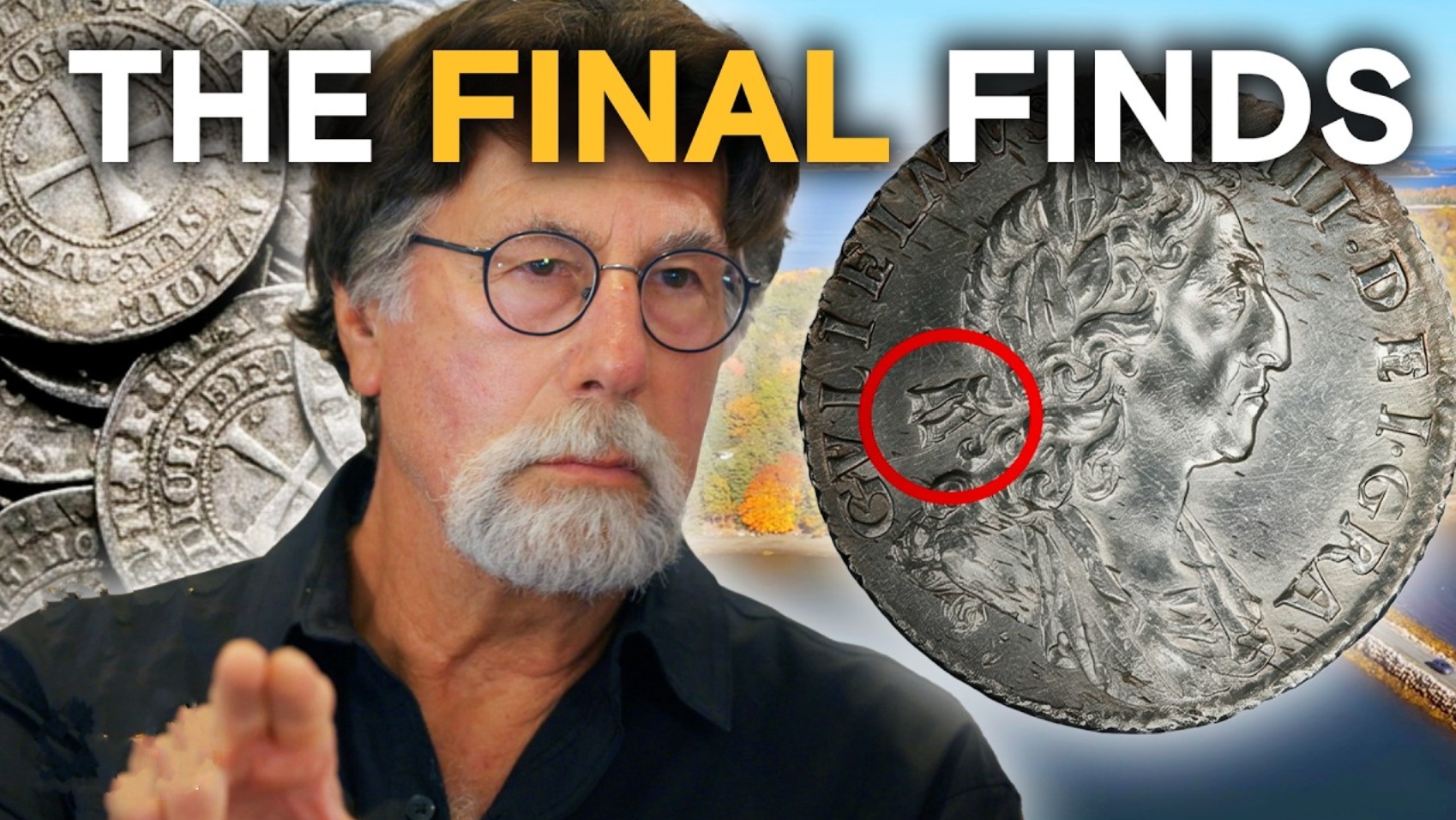
In a stunning turn of events on The Curse of Oak Island, the team led by Rick and Marty Lagina has made an extraordinary discovery that could finally shed light on the island’s long-running mystery. Deep within the Dunfield spoils—piles of earth left behind by Robert Dunfield’s excavations in the 1960s—the team unearthed a silver coin believed to date back to the late 17th century. The coin’s discovery has sparked excitement among the team and researchers, as it may provide crucial evidence linking the island to historical treasure hunters or even the lost treasure itself.
This find is significant not only because of its rarity but also due to the fact that it challenges long-held beliefs about the timeline of the Money Pit’s history. The coin, which has been identified as a silver sixpence from the reign of William III, provides a new perspective on the island’s treasure and its origins. With a date range from 1697 to 1701, the coin predates the official discovery of the Money Pit, raising questions about whether treasure hunters were already active on Oak Island long before the pit’s famous discovery.
A Coin with a Story to Tell
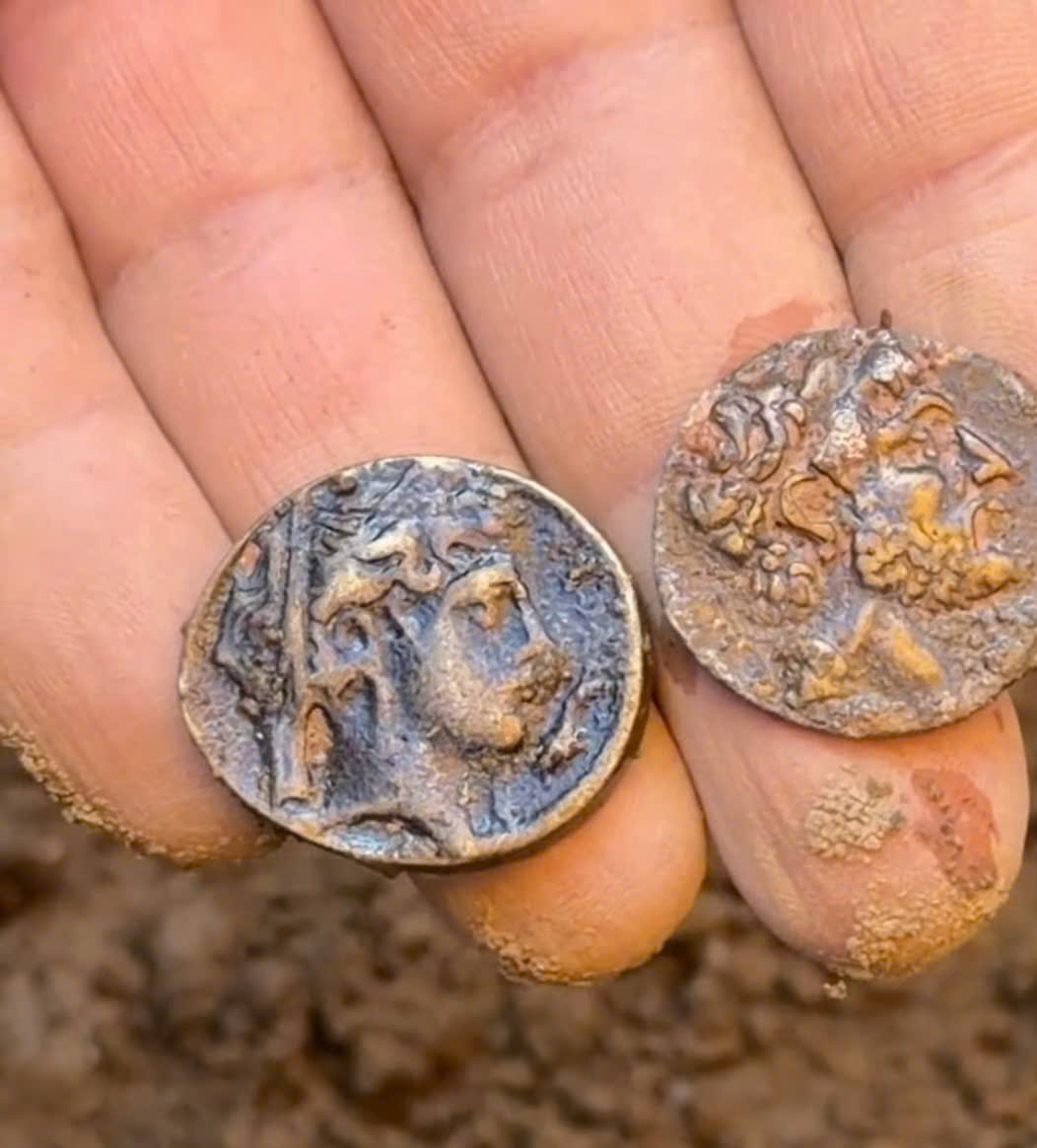
The silver coin was found using metal detectors in the area of the Dunfield spoils, which are the mounds of earth excavated during Robert Dunfield’s infamous 1965 dig. Dunfield’s efforts were widely regarded as unsuccessful in uncovering the island’s treasure, but his excavations left behind a wealth of soil that had never been thoroughly examined by previous teams. As the metal detector beeped, excitement filled the air. The coin was small, non-ferrous, and its age was immediately apparent.
Upon further analysis in the lab, Emma Culligan confirmed the coin’s composition—87% silver—along with its significant historical value. Through the use of CT scans, researchers were able to make out the faint traces of the coin’s markings, which matched an exact match to a silver sixpence from the reign of William III. The coin’s edge, notably milled (a technique introduced by Sir Isaac Newton in the late 1600s to prevent counterfeiting), further confirmed its authenticity and place in history. The coin is a remarkable find, not just for its value, but for the questions it raises about the origins of Oak Island’s mystery.
The coin’s appearance suggests that Oak Island may have been visited by treasure hunters or explorers in the late 1600s—decades before the official discovery of the Money Pit. In particular, the coin’s design and wear suggest it was not used as currency by common workers but likely belonged to someone of higher status, possibly a member of an expedition or group searching for valuable artifacts. This discovery adds another layer of intrigue to the island’s history and could offer new clues about who may have hidden treasure on Oak Island and why.
A Connection to the Knights Templar or Pirates?
The timeline of the coin’s creation, alongside its discovery within the Dunfield spoils, has sparked a renewed interest in some of the island’s most popular theories. Oak Island has long been linked to the Knights Templar, pirates, and other secretive groups that may have used the island as a hiding place for precious artifacts. The fact that the coin dates back to the late 1600s—well before the discovery of the Money Pit—raises the possibility that these groups may have been on Oak Island much earlier than previously thought.
The Knights Templar, for example, have been theorized to have hidden religious relics or treasures on Oak Island. If treasure hunters in the late 17th century were already on the island, could they have been seeking Templar relics or even the fabled Holy Grail? Alternatively, the island was also known to have been frequented by pirates, especially in the 17th century, when the Caribbean was rife with pirate activity. Could this coin be a remnant from a pirate expedition seeking to hide valuable loot?
While these theories remain speculative, the discovery of the coin adds weight to the notion that Oak Island may have been an important site for treasure hunters long before the Money Pit was “discovered” in 1795. The presence of a silver coin from the 1600s suggests that Oak Island’s treasure hunt began far earlier than anyone had previously assumed.
The Next Steps: What Does This Discovery Mean for the Team?
The discovery of the silver coin is a major milestone for the Lagina brothers and their team. For years, Oak Island’s mystery has been marked by countless false leads and disappointing outcomes. However, this silver coin is a solid piece of evidence that connects the island’s history to real, documented events. With this discovery, the team is now investigating the implications of the coin and what it might mean for the search moving forward.
The team plans to continue examining the coin further, looking for more details that could indicate its origins or any potential link to the rest of the treasure on the island. It is also possible that more artifacts from the same time period could be found nearby, helping to form a clearer picture of the island’s role in the history of treasure hunting. The team is also considering whether the coin might point to a specific location on the island where other artifacts—perhaps even treasure—could be hidden.
In addition to the coin, the team is expanding their search of the Dunfield spoils. Given the relatively unexplored nature of these piles, there may be more clues to uncover. As the team moves forward, they are employing the latest technologies and scientific methods, including ground-penetrating radar, to further investigate this area and others on the island.

A Symbol of Hope: What This Coin Means for the Future of Oak Island
For Rick and Marty Lagina, the discovery of the silver coin is not just a win in the search for treasure—it’s a win in the pursuit of knowledge. After years of digging and countless failures, this find offers tangible proof that there may be more to Oak Island than just a series of myths and rumors. The silver coin could very well be the first of many discoveries that provide the answers to the island’s long-standing mysteries.
Rick’s emotional reaction to the discovery, calling it “treasure,” speaks to the significance of the moment. The coin is a clear reminder of why the Laginas and their team continue their search. As Rick says, “We’re not giving up on solving the mystery. Always keep going forward.”
The treasure on Oak Island, whether it’s gold, religious relics, or historical artifacts, may still be hidden beneath the island’s layers of dirt and rock. But with the discovery of the silver coin, the team is one step closer to unraveling the island’s ancient secrets.
As The Curse of Oak Island progresses through its season, the discovery of the silver coin will likely play a pivotal role in the narrative. It provides not only new evidence of treasure but also a sense of progress in a mystery that has long resisted answers. With each discovery, the team is one step closer to uncovering the true story of Oak Island. And for viewers, the journey promises to remain as thrilling and captivating as ever.