ANCESTRAL ECHOES: Lagina Brothers Unearth Ancient Tomb in Groundbreaking Oak Island Discovery
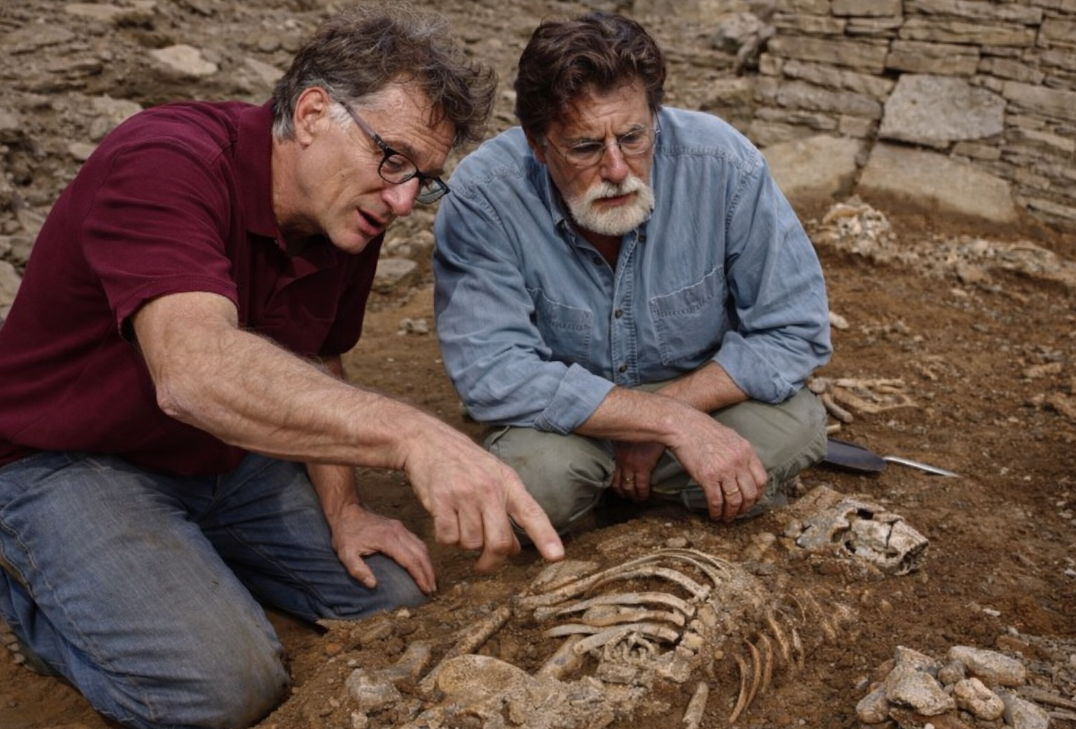
In a season already defined by high-stakes heists and prehistoric anomalies, the fellowship of the dig has reached what may be the most profound turning point in the history of The Curse of Oak Island. Rick and Marty Lagina, alongside their dedicated team, have officially confirmed the discovery of a subterranean ancient tomb—a find that threatens to shatter established North American history and provide the ultimate “closure” for the mystery of the Money Pit.
Located deep within a previously unexplored cavern system near the “Lot 5” area, the tomb appears to be a masterfully engineered stone chamber, predating any known colonial settlement in the region.
A Sacred Discovery
The discovery was made using advanced ground-penetrating radar (GPR) which revealed a massive, rectangular void approximately 50 feet below the surface. Initial borehole cameras lowered into the cavity captured images that left the War Room in stunned silence: walls constructed of precision-cut megalithic stones, etched with symbols that bear a haunting resemblance to High Medieval and Ancient European iconography.
“We went down looking for silver and gold,” Rick Lagina whispered during the reveal. “But what we found was something far more sacred. This isn’t just a cache of wealth; it’s a final resting place. It’s a monument to someone—or something—of immense historical importance.”
A Crossroads of Civilizations
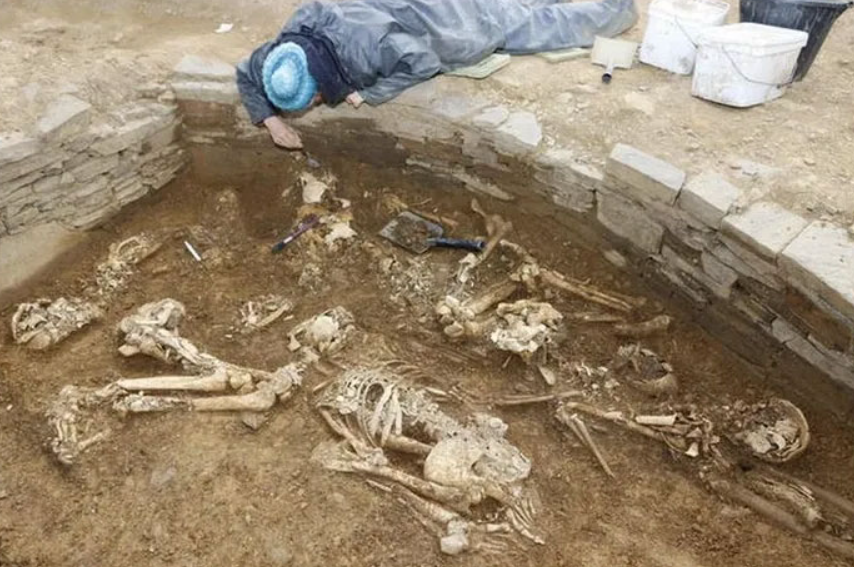
The architectural style of the tomb has sent historians into a frenzy of speculation. Preliminary analysis suggests a “hybrid” design, incorporating elements that align with several different eras:
-
The Templar Influence: The vaulted ceiling and specific geometric proportions match the underground chapels used by the Knights Templar in 14th-century Europe.
-
The Roman Connection: Some of the masonry techniques, including the use of a specific volcanic-ash mortar, mirror the construction of Roman tombs, potentially linking this find to the recently stolen 14th-century Roman coins.
-
The Mi’kmaq Context: The team is working closely with local First Nations representatives to ensure the site is treated with the utmost respect, investigating if the tomb represents a convergence of European travelers and indigenous cultures.
“This is the ‘smoking gun’ of trans-Atlantic travel,” Marty Lagina stated. “If we can prove that a high-status individual from the Old World was buried here centuries before Columbus, every history book on the planet will have to be rewritten.”
The Forensic Challenge
Due to the fragile nature of the site and the recent security breaches on the island, the tomb has been placed under 24-hour surveillance. The team is utilizing “non-invasive” archaeology, using LIDAR and robotic sensors to map the interior without disturbing the remains or artifacts within.
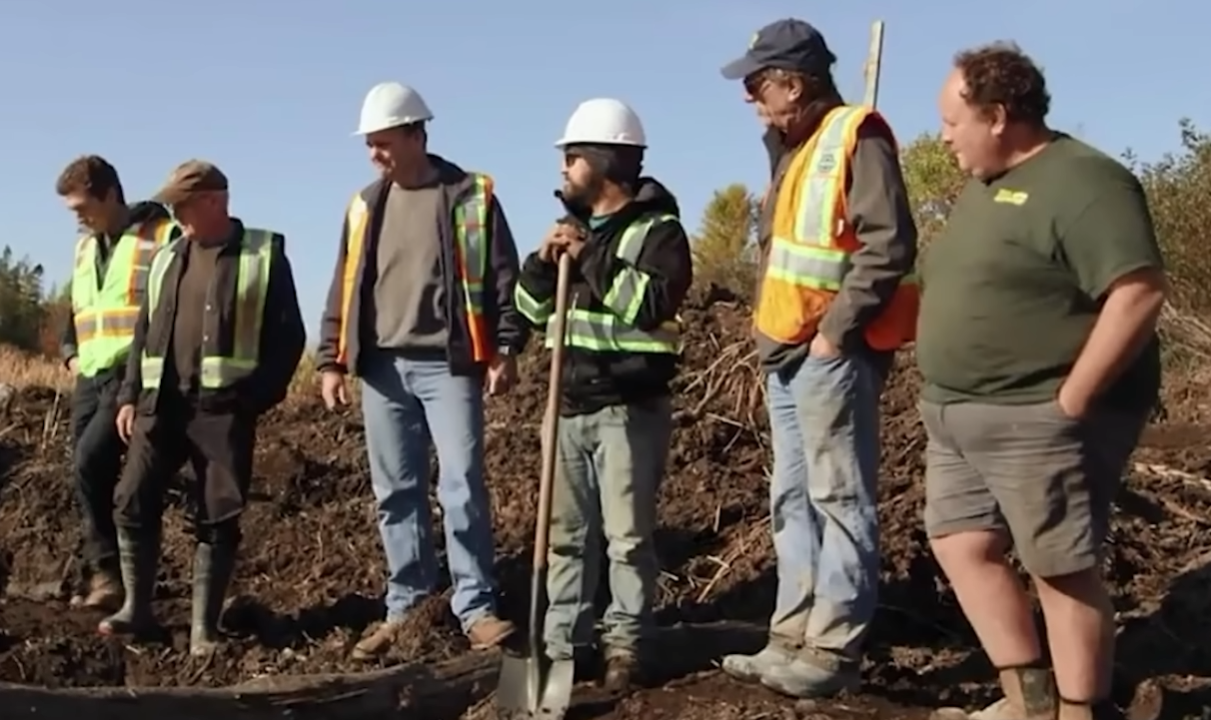
Early scans suggest the presence of a central sarcophagus made of lead or heavy stone, surrounded by what appear to be ceremonial offerings—possibly the source of the high-trace gold and silver signals detected in the soil for years.
“The island has always been a puzzle of ‘where’ and ‘how.’ This tomb finally tells us the ‘who’ and the ‘why’.” — Alex Lagina
The Weight of History
For Rick and Marty, the discovery brings a heavy sense of responsibility. The “Curse” of Oak Island has always suggested that seven must die before the secret is revealed. With this discovery of an ancient grave, the team is acutely aware of the human cost associated with the island’s secrets.
As the Season 13 finale approaches, the fellowship is no longer just chasing treasure. They are uncovering a lost chapter of human civilization—a bridge between worlds that has remained hidden in the dark for over half a millennium.