DEPTHS OF DESTINY: Lagina Brothers Strike “Hollow” Timber at 95 Feet in Garden Shaft
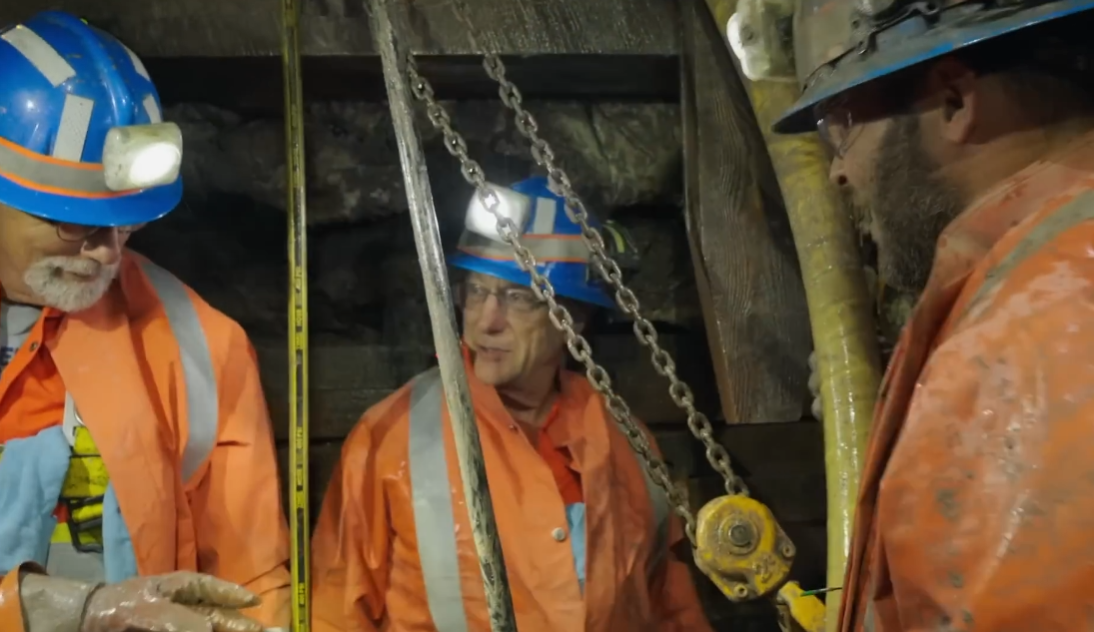
In a scene that mirrored the mining heritage of their ancestors, Rick and Marty Lagina descended deep into the Garden Shaft this week, personally manning pneumatic jackhammers to breach a barrier that has stood for centuries. The high-stakes operation has successfully reached a depth of 95 feet, unearthing round timber structures that many on the team believe are the ceiling of a fabled “treasure tunnel.”
The descent was more than a tactical move; it was a “confluence of heritage” for the brothers, whose grandfather immigrated to North America to work the iron mines of Michigan. Trading their usual supervisory roles for “eyes and boots” status, the Laginas battled through feet of prehistoric-hard clay to reach a target identified by previous sonic drilling programs.
The “Destroyer” and “Big Betsy”
Armed with 70-pound pneumatic jackhammers—nicknamed the “Destroyer” and “Big Betsy” by the Dumas Contracting crew—the brothers worked in the cramped, humid bottom of the shaft. The labor was grueling, with Marty Lagina noting, “This is no job for old men,” as the bits repeatedly seized in the dense clay.
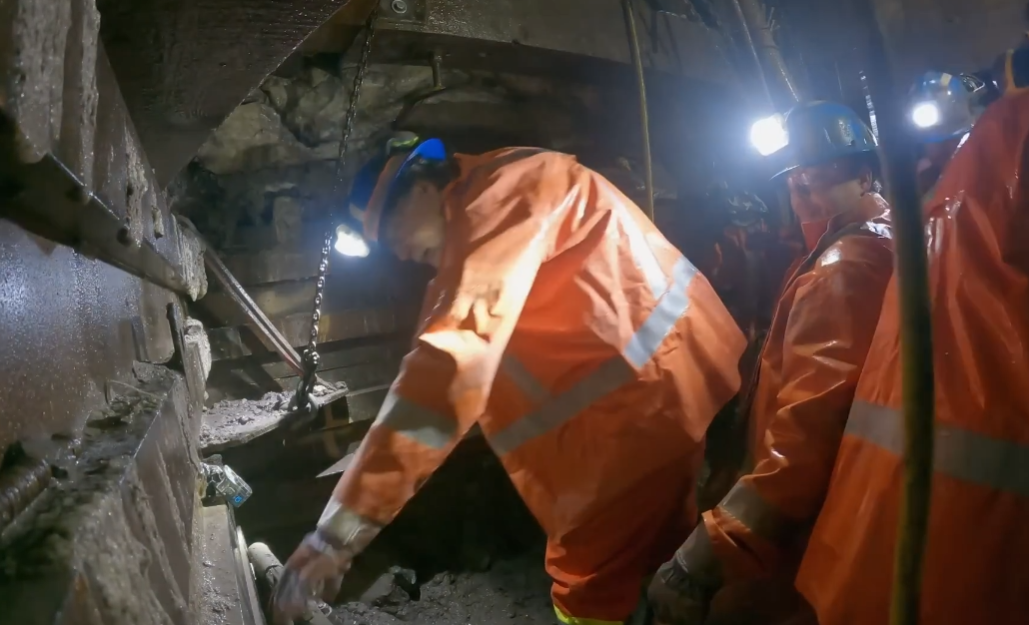
The breakthrough came when Rick Lagina’s spade hit a change in resistance. Probing the floor of the shaft with a metal bar, the team felt the unmistakable strike of wood. As the Dumas hammer-grab tool cleared the loosened debris, a structure of round logs was revealed—a find that sent a “chill” through the crew.
The Sound of History
Perhaps the most electrifying moment of the excavation occurred when Paul, a representative from Dumas, struck one of the exposed beams. The resulting thud was distinct and resonant.
“Hear that? That sound hollow?” Rick Lagina asked, leaning into the darkness of the pit. To the experienced miners on-site, a hollow sound suggests a void beneath the timber—a classic hallmark of a tunnel roof.
The presence of round timber specifically has historical researchers on the team buzzing. Square-cut timbers are often associated with modern searcher efforts from the 19th and 20th centuries. However, the original 1795 accounts of the Money Pit famously described platforms made of “round oak logs” every ten feet.
“To me, round timbers are a great indication it’s potentially old,” remarked Scott Barlow. Rick Lagina added, “If we only saw square timbers, I’d think we were into modern searcher times. This raises the bar.”
[Image: Rick and Marty Lagina in mining gear, standing in the wooden-reinforced Garden Shaft]
Closing in on the “Baby Blob”
The target of this tunnel is the “Baby Blob,” a localized area identified by high-tech scanning that suggests a concentration of non-ferrous metal—potentially gold or silver—lying just beyond the current excavation.
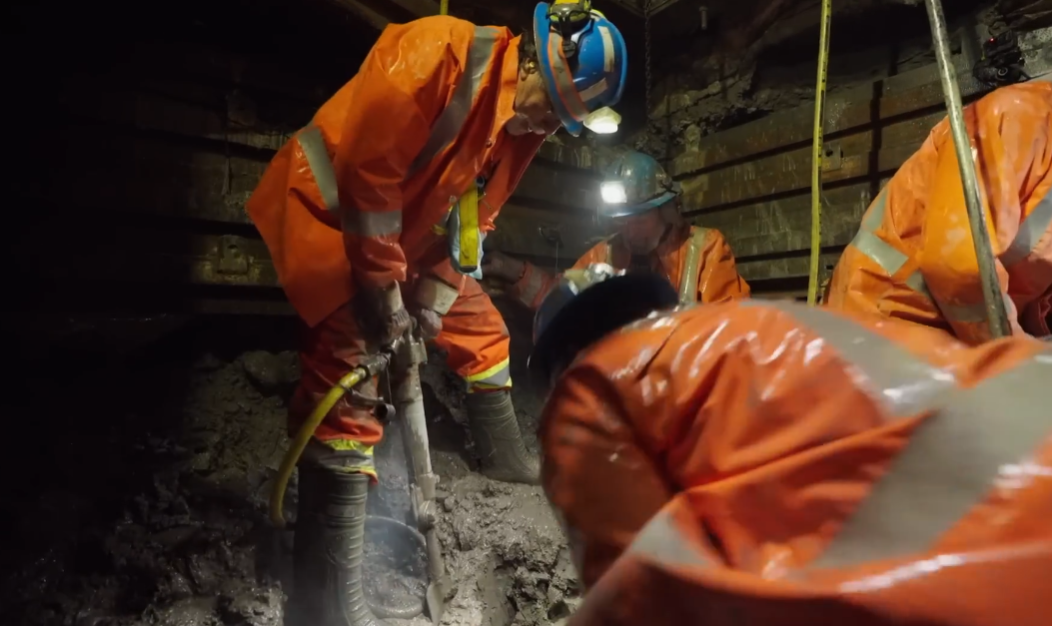
With the shaft now sitting at approximately 95 feet, the team is estimated to be within 32 inches of the tunnel’s floor. The plan moving forward is to add one final wooden set to the Garden Shaft to square off the area and allow for a safe, horizontal entry into the mystery structure.
“After 15 years, we may be just a few feet above original work,” Marty Lagina said, visibly moved by the day’s progress. “It could be it. It could be the thing.”
As the pumps continue to hum and the Dumas crew prepares the next structural section, the air on Oak Island is thick with a familiar, yet revitalized hope. For the Laginas, the mystery is no longer a matter of “if,” but “when.”