FRENCH CONNECTION? Rare Musket Ball Discovery on Lot 7 Rewrites Oak Island “Suspect List”
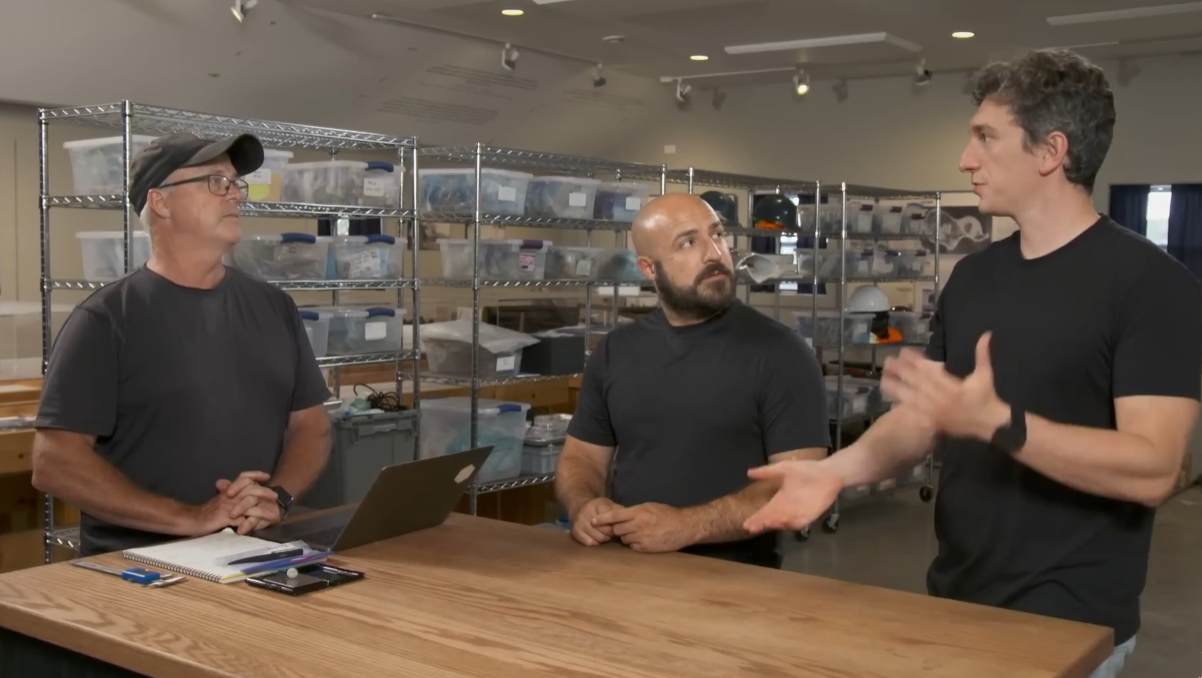
The ongoing investigation into the Oak Island mystery has uncovered a small but potentially “gobsmacking” piece of military history. On Lot 7—an area historically quiet compared to the artifact-rich lots of the western drumlin—investigators Gary Drayton and Jack Begley have unearthed a lead musket ball that experts believe points directly to 18th-century French military activity.
The find has shifted the focus of the “Fellowship of the Dig” toward the Duc d’Anville expedition, a massive French naval fleet that met with disaster off the coast of Nova Scotia in 1746.
The Caliber of Evidence
While musket balls are common across the island’s southern shore, the Lot 7 find underwent rigorous ballistic analysis by archaeologist Laird Niven and lab technician Emma Culligan. Using a specialized formula that weighs diameter against mass, Niven identified the artifact as a .69 caliber round.
“The size and weight make it a perfect fit for a Charleville musket,” Niven reported. The Charleville was the standard-issue French infantry rifle from the mid-1700s onward. Notably, these rifles were also supplied in vast quantities to American revolutionaries by the French during the War of Independence.
“Made on the Island”
Chemical analysis of the ball revealed a composition of 86% lead, with traces of tin, copper, and surprisingly, aluminum and silica. Culligan suggested that these impurities might indicate that the ball was a “recycle” job.
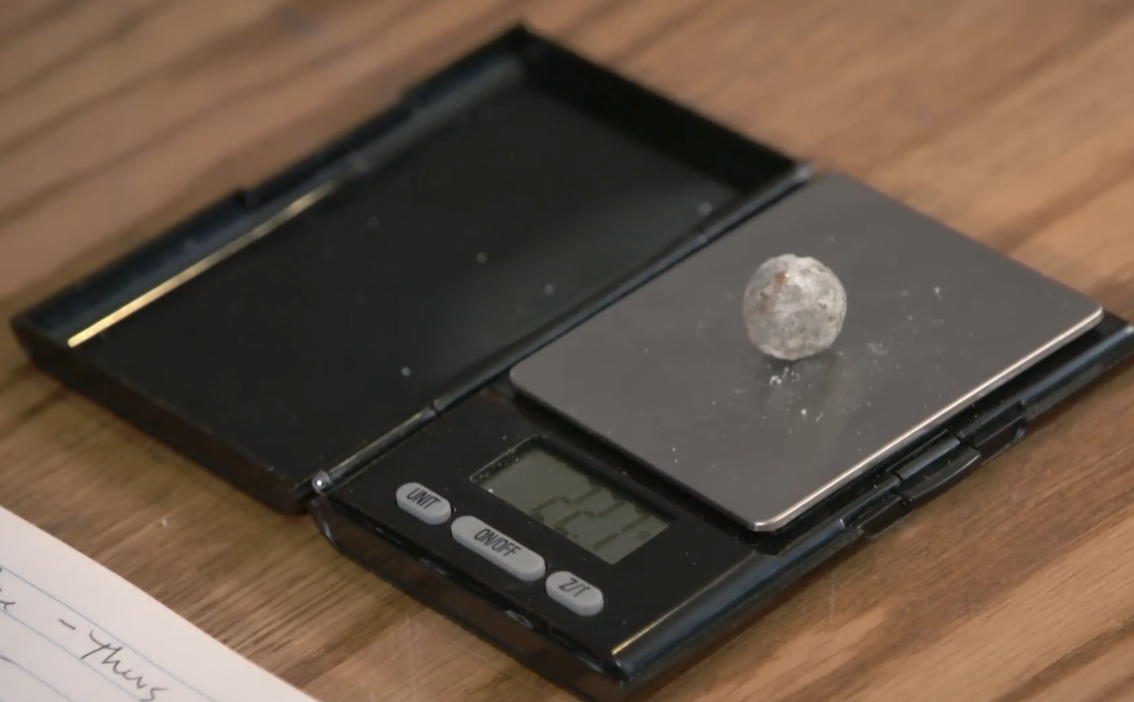
“It’s definitely possible someone picked up a fired ball, melted it down along with some of the soil it hit, and recast it using a shot mold,” Culligan explained. Niven added that soldiers of the era traveled with their own molds, allowing them to pour fresh lead wherever they camped. The presence of a Charleville round on Lot 7 suggests that French troops—or those armed by them—spent significant time on this specific, elevated portion of the island.
The Duc d’Anville Theory
For Alex Lagina, the discovery is more than just a piece of lead; it is a validation of a specific historical roadmap. The team has long investigated a map that suggests French involvement in the mid-18th century.
“If this musket ball is indeed French, it adds to the body of evidence supporting the Duc d’Anville expedition,” Alex Lagina remarked. The theory posits that the French may have been competing with the British to secure—or hide—something of immense value on the island. The fact that the ball was found on Lot 7, an area designated as a “site of interest” on ancient maps, elevates the find from a mundane artifact to a strategic clue.
Shifting the Search
The discovery has prompted the team to reconsider the “suspect list” of who may have been responsible for the original Money Pit construction. While many have focused on British or Pirate origins, the “French Connection” is gaining physical momentum.
“We need more evidence as we get further out in the chain of conclusions,” Alex Lagina noted, “but turning up French artifacts exactly where the maps point is incredibly plausible.” The team intends to return to Lot 7 with enhanced metal detection equipment to determine if the musket ball was a lone drop or part of a larger, unrecorded military encampment.