GEOMETRIC PROOF: Emma Culligan Explodes Oak Island ‘Natural Collapse’ Theory with Analysis of $85M Engineered Shaft

A foundational pillar of historical skepticism regarding the Curse of Oak Island has systematically disintegrated following a groundbreaking data analysis by data analyst Emma Culligan. By meticulously reviewing three decades of forgotten excavation notes, deep bore-hole logs, and conflicting soil density readouts, Culligan has definitively disproved the long-accepted theory that the island’s legendary $85 million shaft was a byproduct of natural geological sinkholes or subterranean erosion.
Instead, Culligan’s comprehensive forensic data mapping exposes a highly sophisticated, structurally stable underground matrix designed to execute water diversion, load redistribution, and calculated structural misdirection.
Overturning the Paradigm of Chaos
For generations, corporate surveyors and university geologists dismissed the $85 million pit as a random, natural collapse zone common to the region’s limestone and gypsum stratigraphy. The thesis collapsed when Culligan cross-referenced wall angles, depth markers, and compression variables that past searchers had archived and ignored.
While nature invariably produces erratic structural chaos, Culligan discovered highly controlled, repeating geometric tolerances that directly mirror pre-industrial defensive shafts and ancient mining pits. True natural sinkholes inevitably widen as they descend due to gravitational pull and water erosion. In stark contrast, the $85 million shaft maintains a rigid, narrow, and precisely aligned vertical trajectory through alternating layers of unstable sand, reactive clay, and heavy glacial gravel.

Advanced laboratory analysis of the shaft’s deep clay stratum dealt a final blow to the natural erosion narrative. Rather than accumulating unevenly via random alluvial flow, the clay layer functions as a highly precise, uniform engineered gasket. Forensic testing confirmed the material was mechanically compressed and pressurized while still pliable, effectively creating a waterproof barrier that regulates moisture parameters and seals the highly stable environment directly beneath it.
The Deception Facade and Water Management
Culligan’s strategic mapping further exposed a brilliant “deception layer” engineered into the upper 95 feet of the structure. Near the surface, the shaft presents an intentionally chaotic facade of loose fill, shifting earth, and unstable voids—a geological misdirection designed to induce localized cave-ins and force historical treasure hunters to abandon their operations in frustration.
However, past this theatrical threshold of surface chaos, the stratigraphy abruptly linearizes. Soil density spikes sharply, and hidden clusters of stones appear at mathematically precise intervals to function as pre-timber load-bearing buffers that allow the shaft to flex rather than fracture under massive earth pressures.
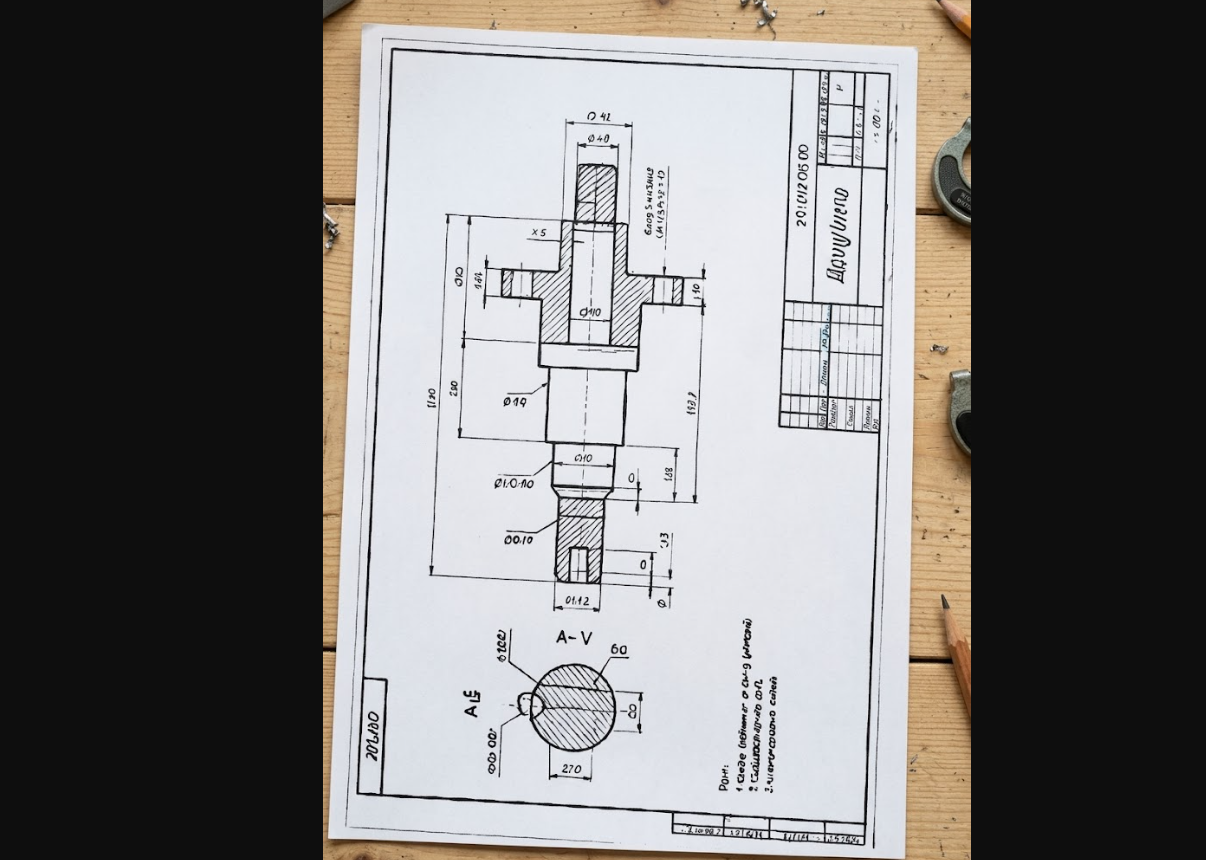
Compounding this structural intelligence is a highly responsive subterranean hydrology system. While nearby test holes routinely suffer catastrophic flooding during North Atlantic storm events, water entering the $85 million shaft is managed calmly. Instead of pooling vertically as physics dictates, flow measurements reveal the water is gathered and directed sideways through concealed pathways into shared channels. This primitive drainage mechanism leaves distinct, highly targeted zones within the shaft completely dry, implying the existence of offset chambers that were intentionally shielded from moisture over multiple centuries.
A Unified Underground Network
The historical implications of Culligan’s work accelerated when she overlaid the depth markers of the shaft with the original metrics of the legendary Money Pit. The evaluation confirmed a flawless structural alignment. Critical resistance layers, intentional collapse zones, and highly specific charcoal-manufactured metal composition markers match perfectly between the two distant points.
The physical data dictates that the $85 million shaft is not an isolated excavation, but a calculated companion shield within a massive, integrated underground defensive network. It was engineered not to hold bullion directly, but to act as a sacrificial pressure trap—absorbing external stress and flooding intruders to protect an irreplaceable asset hidden deeper within the island’s core. With the “natural collapse” narrative officially defunct, the Fellowship’s exploration strategy must now pivot away from traditional treasure routes to follow the rigid mathematical pathways of the engineers who built it.