Lagina Brothers Target Massive Underground Chamber Detected by Space-Age Scans
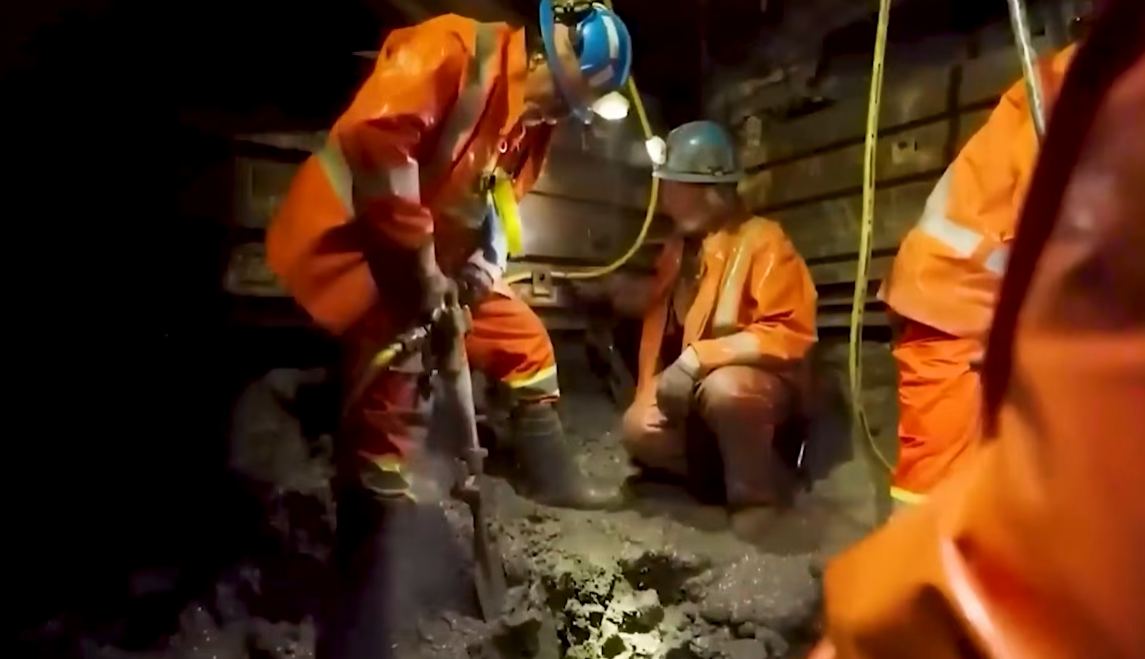
After more than 230 years of speculation, failed excavations and mounting expense, the search for treasure on Oak Island may have reached its most consequential moment yet.
Lead investigators Rick Lagina and Marty Lagina have announced what they describe as the first conclusive “hard data” indicating a man-made chamber buried deep beneath the island’s surface. The revelation, presented during the latest phase of exploration documented on The Curse of Oak Island, has electrified both the on-site team and a global audience.
According to project engineers, a suite of advanced technologies — including muon tomography and high-resolution seismic scanning — has identified a distinct rectangular void between 90 and 110 feet underground. The chamber is estimated to measure roughly 18 feet by 12 feet.
Unlike anomalies detected in previous decades, the Laginas insist this signal is different.
Muon tomography, which detects variations in density using naturally occurring cosmic rays, has previously been employed to reveal hidden structures inside the Great Pyramids of Giza. By measuring how muons are absorbed as they pass through matter, researchers can map voids and dense materials without excavation.
In this case, the readings did not simply reveal empty space.
Data suggests the anomaly is between eight and ten times denser than the surrounding glacial till — a density signature commonly associated with concentrated metal deposits. Analysts working with the team describe the pattern as “non-random” and structurally coherent.
The implications are significant. If the chamber contains gold bullion or coinage, speculative estimates suggest a hoard of 40,000 to 50,000 ounces. At current market prices hovering around $2,000 per ounce, that would represent more than $100 million in raw metal value alone.
However, financial value may prove secondary to historical importance. Over the centuries, theories have ranged from pirate treasure to lost Shakespearean manuscripts and relics linked to the Knights Templar. Should the chamber contain culturally significant artifacts, historians argue the worth could far exceed its material composition.
Yet any celebration is tempered by caution.
Oak Island’s legend includes an intricate system of flood tunnels, believed to have been engineered centuries ago to protect whatever lies beneath the so-called Money Pit. These tunnels are said to channel seawater into excavation shafts when critical layers are disturbed.
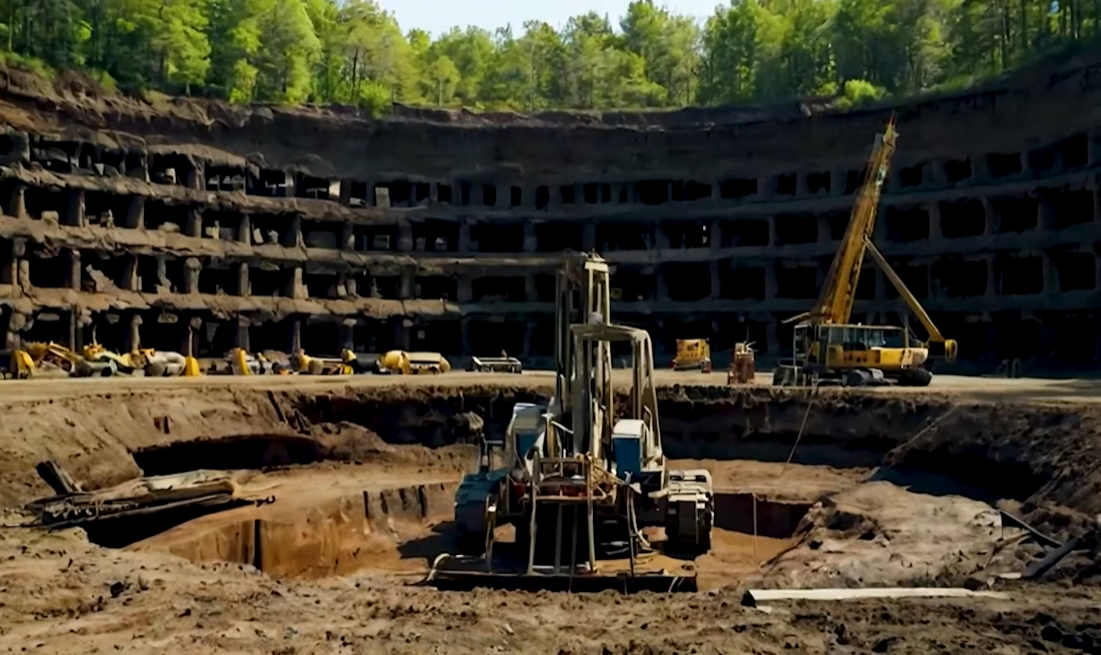
Engineers describe the next phase as a “precision operation.” Drilling into the anomaly requires careful control to avoid triggering flooding or structural collapse. The team’s daily operating costs — including specialized drilling rigs, geotechnical monitoring and data analysis — are estimated at around $50,000.
One miscalculation could inundate the chamber permanently, potentially sealing its contents beyond recovery.
Inside the project’s command centre — known as the “War Room” — anticipation has been building as crews initiated a final 48-hour countdown to intersect the anomaly. According to individuals familiar with the operation, drilling reached the 100-foot mark before encountering a marked shift in resistance.
Soil samples retrieved from that depth reportedly contained small glittering particles, prompting further laboratory analysis. While officials have not confirmed the composition, the recovery has intensified speculation.
Even if the chamber yields tangible artifacts, discovery would not automatically translate into ownership.
Under Nova Scotia law, significant finds can be designated as heritage property, subject to provincial oversight. The Oak Island Treasure Act requires strict licensing and outlines royalty arrangements between discoverers and the government.
Legal analysts suggest that any discovery of substantial historical or monetary value could trigger protracted negotiations. Questions of preservation, public access and revenue distribution would need to be resolved before any division of assets.
Rick Lagina has long framed the search as a quest for historical truth rather than financial gain. Marty Lagina, by contrast, has frequently emphasized fiscal discipline and regulatory compliance. Their differing perspectives underscore the dual nature of the enterprise: part archaeological investigation, part high-risk venture.
For supporters, the newly revealed data marks a turning point. For skeptics, it remains one more anomaly in a history of tantalizing near-misses.
Oak Island’s narrative is steeped in disappointment. Since 1795, explorers have invested fortunes attempting to solve the mystery. Flooded shafts, collapsed tunnels and inconclusive artifacts have repeatedly stalled progress.
What distinguishes the current effort is the reliance on non-invasive imaging technologies capable of mapping subterranean structures with unprecedented clarity. Rather than digging blindly, the team now claims to be targeting a defined architectural feature.
If confirmed, the existence of a deliberately constructed rectangular chamber would challenge the long-standing view that much of the island’s subsurface anomalies are geological in origin.
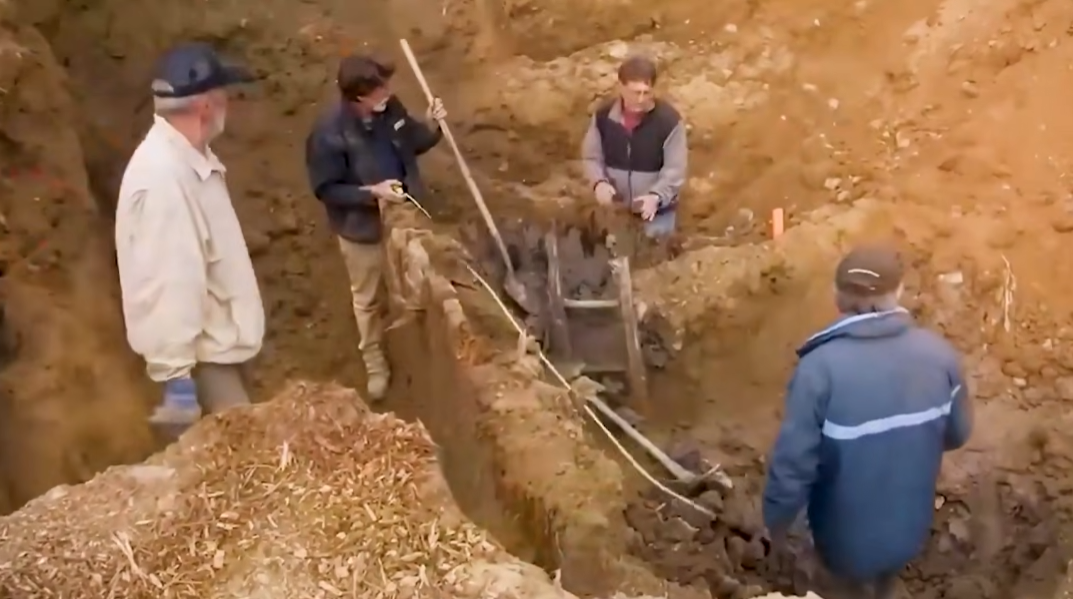
As drilling advances inch by inch, anticipation has spread far beyond Nova Scotia. Online forums, historians and investors alike are closely monitoring developments. The question has shifted from whether something lies beneath Oak Island to what form it takes.
Is it a cache of precious metal concealed by maritime adventurers? A colonial-era repository? Or an archive that could alter historical narratives?
For now, the drill continues its descent.
After centuries of speculation and decades of televised investigation, the possibility that Oak Island’s central mystery may soon be illuminated has given new momentum to a story that refuses to fade.
Whether the chamber contains treasure, history or merely further intrigue, the moment marks one of the most consequential chapters in the island’s long and costly saga.