Leaked report on Oak Island reveals medieval artifacts found in the season 13 finale.
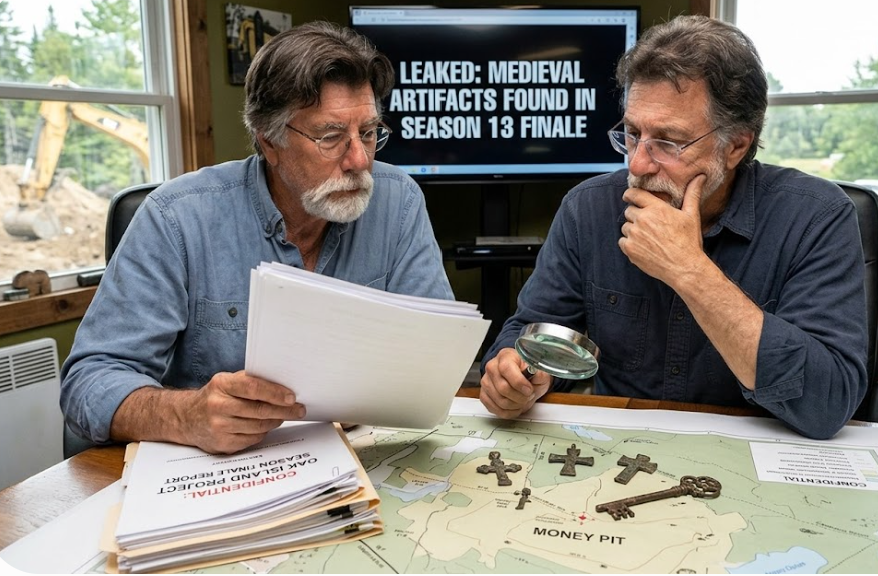
A newly surfaced leaked report has ignited intense discussion among fans of The Curse of Oak Island, suggesting that Season 13 may have concluded with one of the most significant underground discoveries in the show’s long-running history. The material, which has not been officially confirmed by production teams, describes a series of alleged findings including a hidden shoreline chamber, structural collapses at the main excavation site, and possible medieval-era artifacts that could reshape the historical timeline of the island.
According to the leaked information, the Oak Island team may have uncovered evidence pointing toward a complex underground system extending beyond previously explored zones. The claims have quickly circulated within the show’s global fanbase, raising questions about whether the long-standing mystery of the island’s “Money Pit” is closer to resolution—or becoming even more complicated than before.
A POSSIBLE HIDDEN SHORELINE CHAMBER
One of the most striking elements in the leak describes the discovery of what appears to be a buried underground chamber located near the shoreline. Initial excavation reportedly revealed wooden structures beneath layers of mud and sediment. At first, these remains were believed to be natural or residual debris, but further interpretation suggested a deliberately constructed feature.
The report claims this structure may represent part of a larger engineered system, possibly designed to conceal or protect something of significant value. Some interpretations suggest the chamber could be connected to the island’s infamous flood tunnel system, long theorized but never fully understood.
What makes this claim particularly intriguing is the suggestion that the chamber remained structurally stable during partial exposure, an unusual condition on Oak Island where water intrusion typically complicates excavation efforts. If accurate, this would indicate a level of engineering sophistication not previously confirmed on the site.


MONEY PIT COLLAPSE AND GROUND INSTABILITY
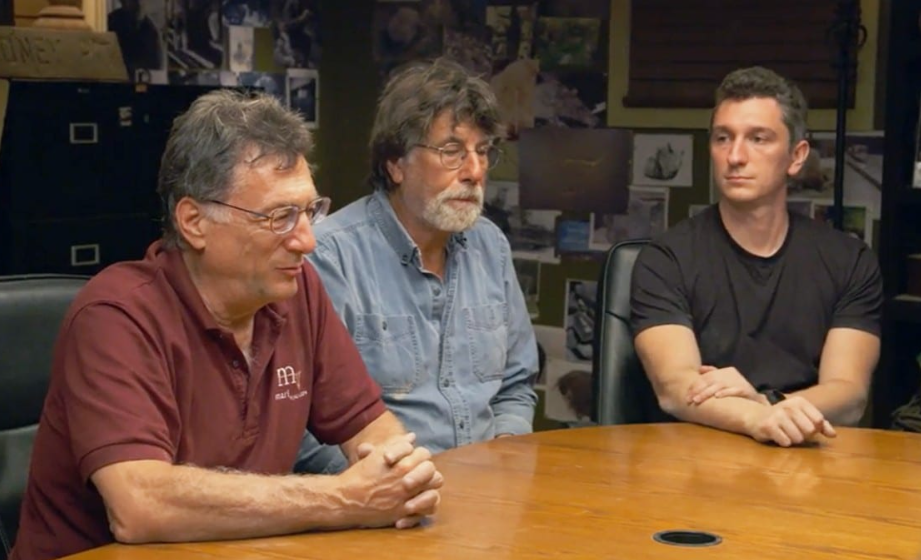
The second major claim in the leaked report centers on a reported collapse event near the main excavation zone. The Money Pit area has long been considered the focal point of the Oak Island mystery, with decades of drilling and excavation revealing only fragmented artifacts and structural anomalies.
According to the leak, intensified digging operations during Season 13 may have destabilized the underground environment, causing a sudden shift in the soil structure. This allegedly resulted in a partial collapse that temporarily endangered equipment and forced crews to retreat from the immediate area.
The report suggests that the subsurface conditions beneath the Money Pit are far more fragile than previously understood, with interconnected voids and water channels contributing to unpredictable ground behavior. Such instability has long been a defining challenge of the Oak Island search, but the leaked account implies that the situation may have reached a new level of risk.
SHIFTING FOCUS TOWARD NEW EXCAVATION ZONES
In response to the alleged instability, the leak claims that attention may have shifted toward alternative excavation zones, particularly areas referred to as “Lot 5.” These zones reportedly contain layered wooden remains and irregular structural formations that differ from earlier findings near the Money Pit.
The report indicates that some of these materials could predate previously known activity on the island, suggesting a much earlier phase of construction or human presence. This shift in focus could represent a strategic change in how the team approaches the island’s underground network—moving away from deep vertical excavation and toward broader horizontal exploration.
MEDIEVAL TIMELINE CLAIMS AND HISTORICAL IMPLICATIONS
Perhaps the most controversial aspect of the leaked material involves claims of dating results suggesting that some wooden samples may originate from the medieval period, potentially between the 1300s and 1400s. If verified, such findings would dramatically alter the accepted historical narrative of Oak Island.
The report speculates that certain artifacts recovered from the site resemble construction tools associated with medieval European techniques. This has led to renewed discussion about possible pre-Columbian transatlantic contact theories, though no official evidence has been confirmed.
The implications of such a timeline would extend far beyond Oak Island itself, potentially challenging established assumptions about early exploration of the North Atlantic region. However, experts caution that without verified laboratory results and peer-reviewed analysis, such conclusions remain speculative.
ENGINEERING THEORIES AND WATER SYSTEM SPECULATION
Another key element in the leak focuses on the island’s complex water management systems. The report suggests that flood tunnels and underground channels may not be random natural formations or defensive traps, but part of a deliberately engineered hydraulic network.
Such a system, if confirmed, would require advanced knowledge of water flow, pressure control, and structural reinforcement. The idea that medieval or pre-modern builders could have constructed such a system has sparked renewed debate among researchers and fans alike.
The leak further suggests that these systems may be interconnected across multiple zones, including the Money Pit, shoreline chamber, and swamp areas—potentially forming a single, large-scale underground design rather than isolated features.

CAUTION OVER UNVERIFIED CLAIMS
Despite the dramatic nature of the leaked report, there is currently no official confirmation from production teams associated with The Curse of Oak Island or its principal investigators. The narrative presented remains unverified and should be treated as speculative until supported by publicly released evidence or scientific validation.
Nevertheless, the leak has reignited global interest in the series, which has long been defined by its blend of historical investigation, geological complexity, and enduring mystery. Even after more than a decade of exploration, the island continues to produce theories that challenge both experts and viewers.
A MYSTERY STILL UNFOLDING
If even a portion of the leaked information proves accurate, Season 13 may represent a turning point in the Oak Island narrative—one where the search expands beyond treasure hunting into questions of ancient engineering, historical timelines, and buried infrastructure systems.
For now, however, Oak Island remains what it has always been: a place of compelling evidence, unanswered questions, and theories that stretch across centuries. Whether the latest claims mark a breakthrough or another layer of mystery is a question that only future confirmed discoveries can answer.