Marty Lagina resigned from Oak Island after a crazy incident occurred in episode 20 of season 13.
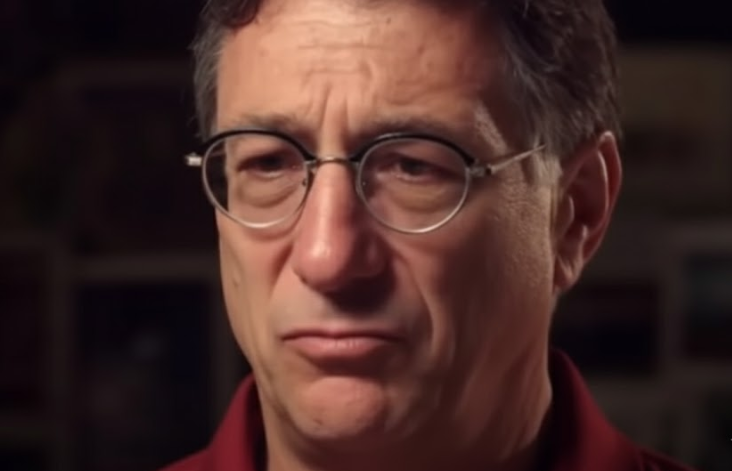
Season 13 of The Curse of Oak Island marks a noticeable turning point in the long-running search that has captivated viewers for more than a decade. While earlier seasons thrived on bold excavation and escalating physical risk, Season 13 feels different—more measured, more analytical, and, above all, more cautious. For long-time followers, this change is not accidental. It reflects how the Oak Island project has matured, both technically and philosophically.
At the center of this evolution remain the Lagina brothers: Rick Lagina, still driven by belief and historical curiosity, and Marty Lagina, increasingly focused on risk management, data validation, and long-term sustainability.
Season 13: Less Digging, More Meaning
Unlike earlier seasons that pushed relentlessly toward deeper shafts and dramatic reveals, Season 13 pivots toward interpretation rather than escalation. The Garden Shaft remains important, but it is no longer treated as a singular “end point.” Instead, it becomes one data source among many—contextualized alongside historical records, European research trips, and scientific analysis.
From a program-analysis standpoint, this is a logical progression. After more than ten years of excavation, the question is no longer whether something unusual exists beneath Oak Island, but what it represents. Season 13 leans heavily into that distinction.
Why the Tone Has Changed
By Season 13, the Oak Island operation has crossed a threshold. The combination of deep excavation, water management, and heritage preservation has placed the project firmly in a high-complexity category. Each new dig now carries exponential cost and regulatory exposure.
This is where Marty Lagina’s influence becomes especially visible. As an engineer and investor, Marty has consistently argued that discovery without context is incomplete. Season 13 reflects this philosophy: fewer impulsive moves, more deliberate steps, and a clear preference for evidence that can be cross-verified rather than sensationalized.
Rather than chasing a single dramatic breakthrough, the team is assembling a mosaic of smaller, interconnected clues.
The Expanded Historical Lens
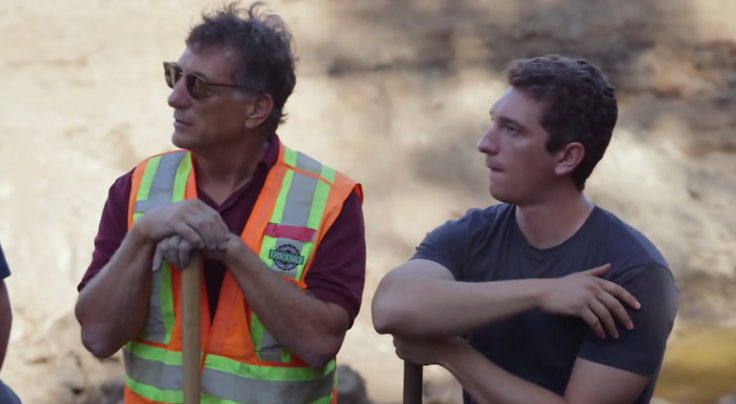
One of Season 13’s defining features is its global perspective. European research—particularly sites linked to medieval orders, trade networks, and symbolic markers—receives greater emphasis. These segments are not filler; they serve a strategic purpose.
By comparing Oak Island artifacts with Old World structures and symbols, the team is testing whether the island fits into a broader transatlantic pattern. This approach moves the narrative away from isolated treasure myths and toward systemic historical movement—migration of knowledge, materials, and ideology.
For analysts, this is a critical shift. It reframes Oak Island not as a standalone anomaly, but as a potential node within a much larger historical network.
Rick Lagina’s Role in Season 13
Rick Lagina remains the emotional core of the series. Season 13 shows him less as a field commander and more as a curator of meaning—connecting artifacts, stories, and timelines. His belief has not faded, but it has matured.
Rather than pushing relentlessly for deeper excavation, Rick increasingly asks a different question: What does this belong to? That distinction matters. It suggests the hunt is no longer just about uncovering something hidden, but about understanding why it was hidden in the first place.
This subtle evolution makes Rick’s role more strategic and less physical, aligning with the show’s broader tonal shift.
Marty Lagina’s Calculated Distance
While Marty remains involved, Season 13 clearly positions him as a gatekeeper rather than a driver. His presence is felt most strongly in moments where restraint overrides enthusiasm.
From an analytical perspective, this is not withdrawal—it is governance. Marty’s caution reflects the reality that Oak Island has reached a stage where missteps could have consequences far beyond a single season.
By setting boundaries, Marty ensures that the project remains viable, legally compliant, and focused on long-term outcomes rather than short-term spectacle.

What Season 13 Signals About the Future
Season 13 does not promise immediate resolution, and that may be its most honest contribution. The show is preparing its audience for a future where answers arrive incrementally—or where conclusions emerge through synthesis rather than excavation.
Expect future developments to emphasize:
-
Data correlation over physical depth
-
Artifact context rather than artifact count
-
Historical validation instead of dramatic payoff
This does not mean the hunt is slowing down. It means it is becoming more disciplined.
Conclusion: Oak Island Enters Its Most Serious Phase Yet
Season 13 represents Oak Island at its most self-aware. The mystery remains, but the approach has evolved. Gone is the urgency to force answers from the ground at any cost. In its place stands a more patient, evidence-driven methodology.
For viewers hoping for spectacle, this shift may feel restrained. For those interested in history, process, and credibility, Season 13 may be the most important chapter yet.
Oak Island is no longer just asking what is buried here?
It is asking what story does this place actually tell?