METALLURGICAL MIRACLE: Emma Culligan’s “Impossible” Lab Results Reveal $260M Oak Island Secret
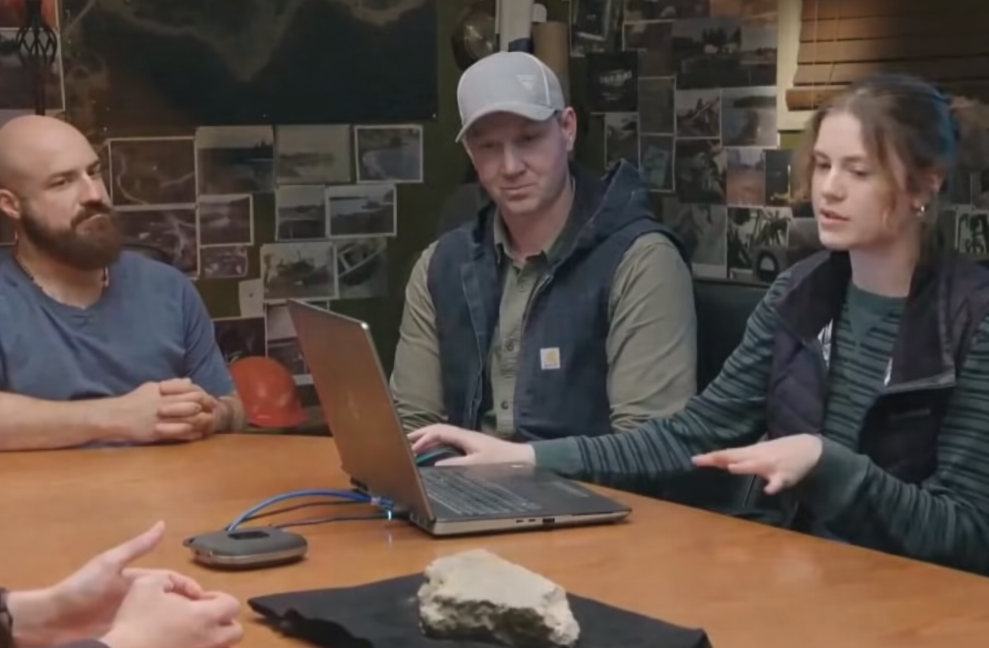
The 230-year-old mystery of Oak Island has shifted from a game of shovels to a war of atoms. In a series of breakthrough lab results that have stunned the archaeological community, resident archaeometer Emma Culligan has identified a “convergence of historical forces” through a metal blend that—by all conventional standards of North American history—should not exist.
The discovery, centered on a series of artifacts from the now-famous Lot 5 stone foundation, has provided scientific “witness” to a multi-generational, multi-civilization presence on the island, pointing toward a combined treasure and historical cache valued at $260 million.
The “Lie Detector” for History
Using high-precision X-ray Fluorescence (XRF) and X-ray Diffraction (XRD), Culligan has moved the investigation beyond folklore. The XRF scanner, which Culligan describes as a “lie detector for metal,” reads the unique energy wavelengths of elements to provide an elemental fingerprint.
The most “impossible” data point emerged from a coin fragment found on Lot 5. The analysis revealed a specific alloy of 70% copper and 16% lead. This precise ratio is the metallurgical signature of Aas Grave, a bronze alloy used exclusively by the Roman Empire for minting coins during the 3rd century (approx. 250–270 AD).
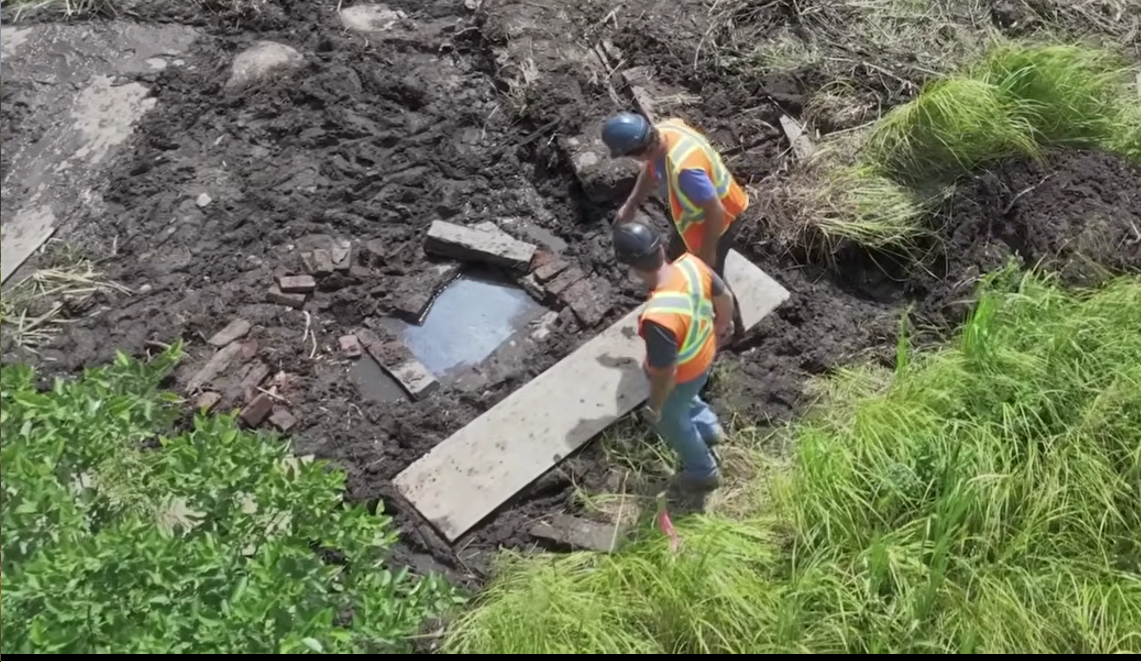
“There is no other culture in recorded history that produced that exact composition with that consistency,” experts noted during the data review. This marks the sixth Roman coin identified on the island, suggesting a Mediterranean presence in Nova Scotia over a millennium before Columbus.
The $260M “Impossible Blend”
The “blend” refers to a staggering layer of artifacts found within the same small rectangular stone foundation, spanning nearly 2,000 years of human history:
The $260 million valuation is an aggregate estimate reflecting not just raw bullion, but the incalculable auction and academic value of artifacts that could rewrite the history of the Western Hemisphere.
The Silver Connection: Lot 5 to the Money Pit
Perhaps the most transformative data point is the chemical link between the surface and the deep. Culligan’s analysis of a processed silver artifact found on Lot 5 showed an elemental signature that matches trace silver compounds found in water samples taken from the Money Pit at depths of 150 to 220 feet.
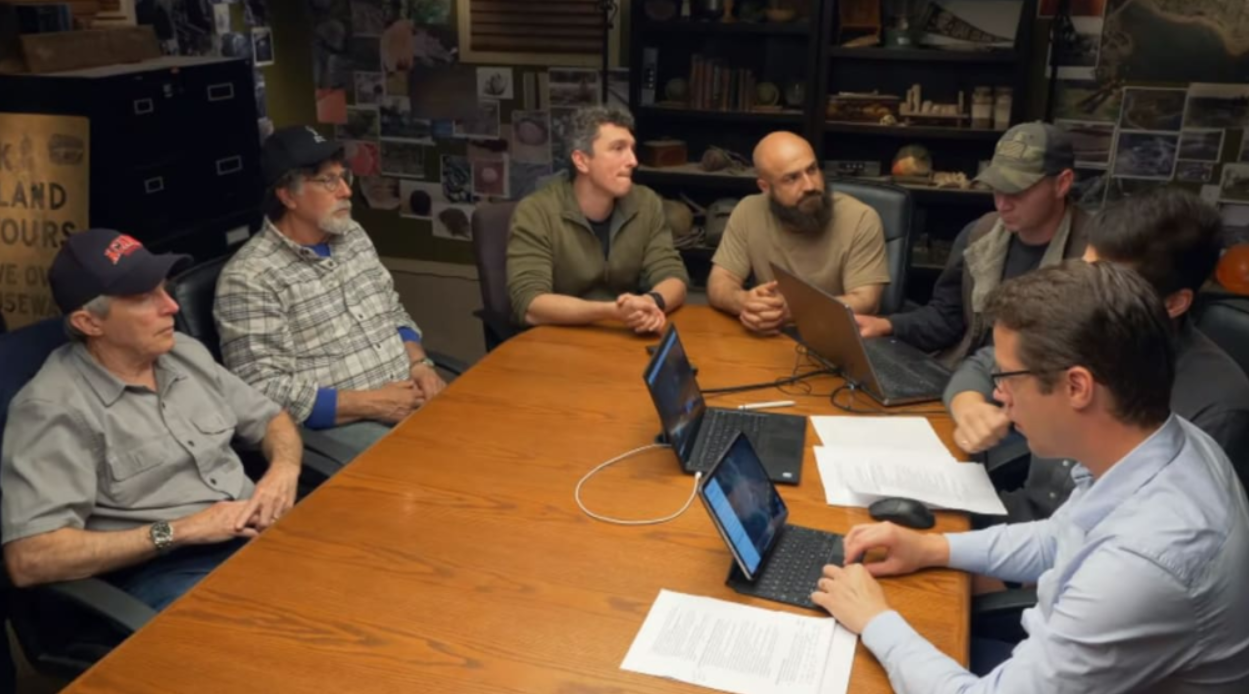
“The spectrographic profiles matched,” Culligan noted. This indicates that the silver dissolving in the flooded deep-earth shafts shares the same source as the refined silver sitting in the stone foundation on the surface. It suggests a unified, massive deposit that has been added to by successive groups—ranging from the Romans to the Templars and later Colonial-era privateers like Sir William Phips.
The Scientist Who Almost Wasn’t
In a final twist of fate, Culligan revealed she nearly ignored the job offer that led to these discoveries, initially mistaking the invitation to join the team for “spam mail.” It was fellow archaeologist Laird Niven who recognized her unique triple-threat qualifications in archaeology, engineering, and metallurgy.
“The machine has spoken,” the team concluded. By focusing on “odd alloys” that others might have dismissed, Culligan has proven that Oak Island was not a one-time burial site, but a deliberate, multi-generational vault used by the world’s most powerful entities across twenty centuries.