New discoveries on Oak Island have sparked excitement as research teams found valuable wool fibers.
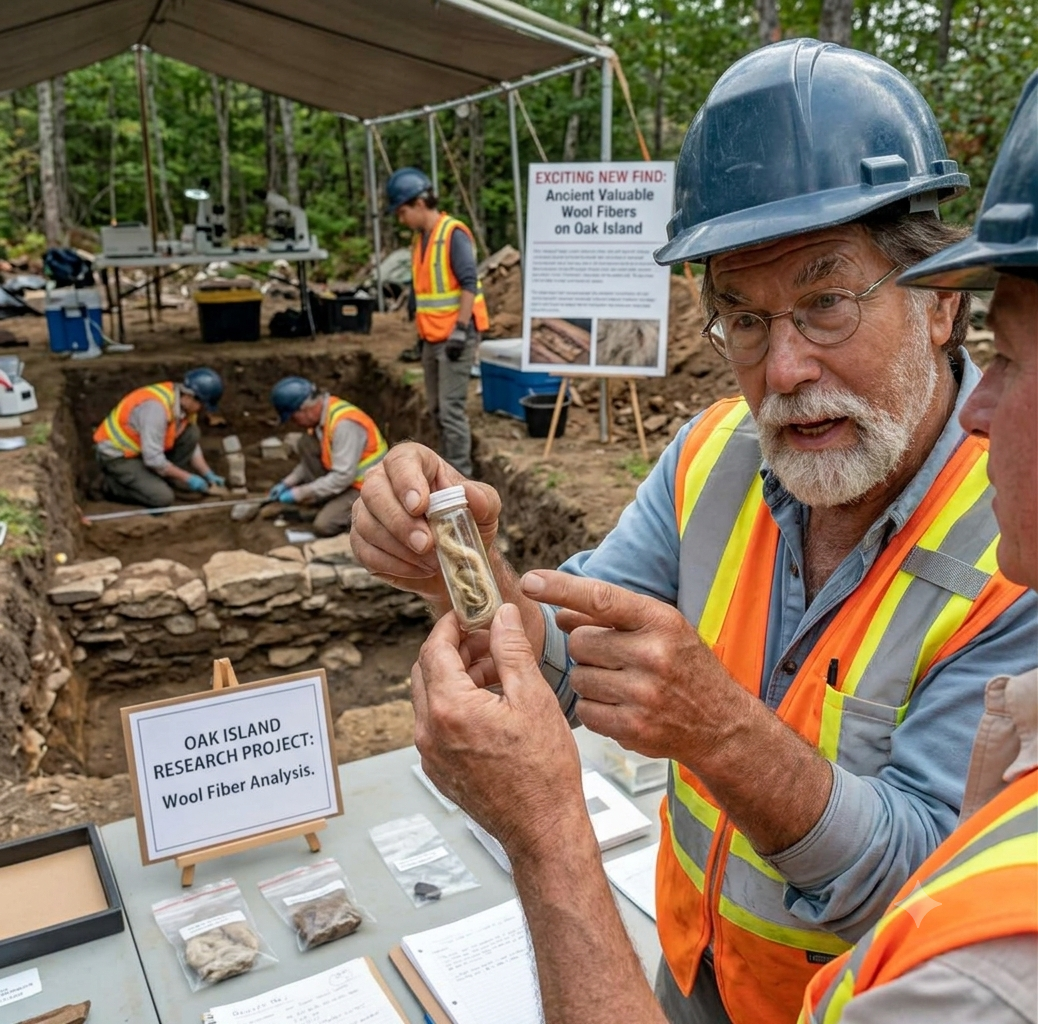 Nova Scotia — Excitement is rippling through Oak Island as the research team has uncovered a remarkable find beneath a massive boulder on Lot 8: centuries-old wool fibers. While modest in appearance, these delicate threads may represent a critical piece in the puzzle of the island’s centuries-old treasure hunt, offering fresh insight into who may have worked, lived, or concealed valuables on the island long before modern excavations began.
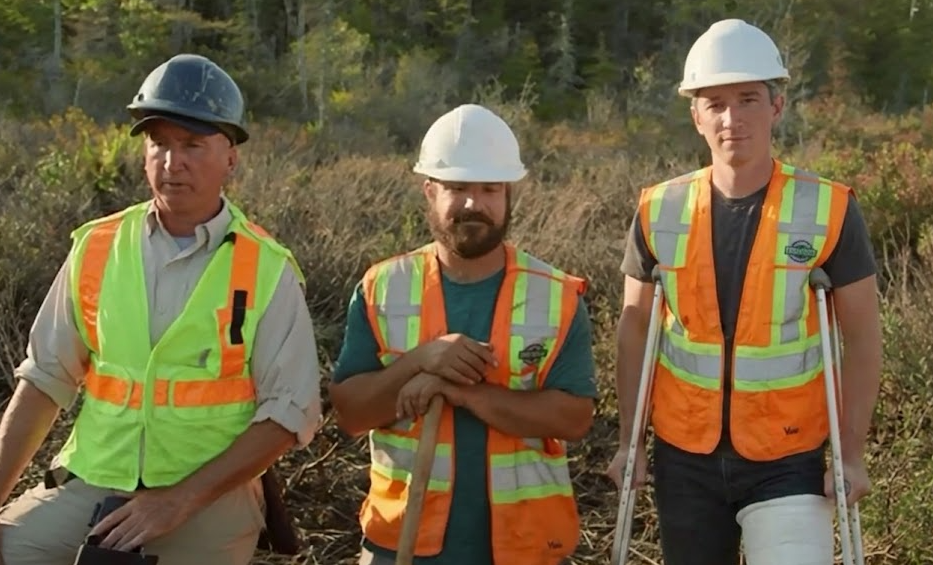
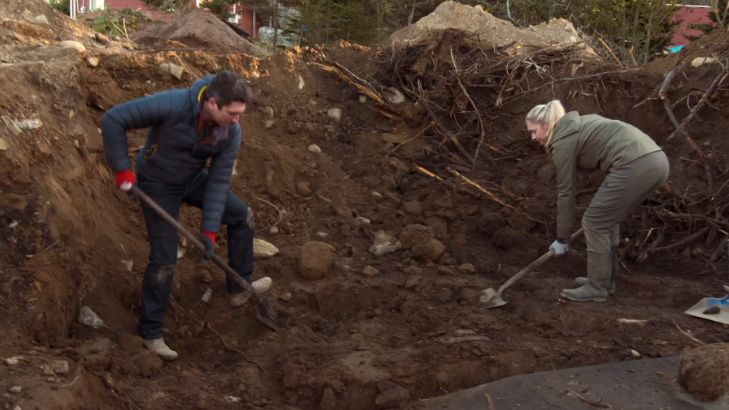
The team, led by Rick and Marty Lagina and accompanied by Craig Tester and key archaeological specialists, has been investigating a formation of large boulders and evenly spaced stones that has long intrigued historians. The excavation, painstakingly conducted with both manual and mechanized tools, revealed voids and trenches below the stones, suggesting human intervention dating back hundreds of years. The discovery of wool fibers in this context, particularly alongside a 14th-century English bag seal associated with Leeds, England, strengthens the hypothesis that early European craftsmen or traders were active on the island.
From a program analyst’s perspective, this discovery is significant for several reasons. Firstly, it provides tangible evidence of human occupation or activity on Oak Island well before the legendary Money Pit gained attention in the late 18th century. Wool, especially dyed and finely processed as found on Lot 8, was a valuable commodity in medieval Europe, often linked to trade networks and skilled labor. Its presence here hints that the island may have served as a logistical or storage site for European settlers or clandestine operations.
The analytical lens also highlights the potential historical narrative that these fibers suggest. Combined with previous discoveries of chain links and metallic artifacts, the fibers may indicate that Oak Island was more than a site of treasure folklore. Instead, it could have functioned as a site where goods, possibly including precious textiles, were secured, hidden, or transported. The team’s careful documentation and laboratory analysis, including CT scans and burn tests confirming the material as wool, reinforces the importance of scientific rigor in interpreting these clues.
Predicting the next phase of exploration, the presence of these fibers suggests that further excavation beneath and around the boulder may uncover additional artifacts connected to medieval European trade. Analysts can reasonably hypothesize that other organic materials, perhaps fragments of leather, additional textiles, or remnants of wooden chests, could lie within the same stratigraphic layer. The deliberate placement of stones and boulders over these fibers further implies intentional concealment, supporting theories that these areas may have been early caches or storage points.
Furthermore, the discovery has implications for understanding the broader timeline of Oak Island’s enigmatic structures. Analysts will likely re-evaluate previous assumptions regarding the origins of certain underground constructions. If the fibers can be conclusively dated and linked to specific European production centers, the show’s narrative may pivot to explore the island’s role in early transatlantic trade or privateering, rather than solely focusing on pirate treasure legends. This would offer audiences a historically grounded yet still thrilling angle, blending the allure of treasure hunting with educational insights into 14th- and 15th-century commerce.
The research team’s methodical approach, combining excavation with laboratory analysis, also sets the stage for predictive modeling of potential finds. Given the controlled positioning of the boulders and the proximity of other medieval artifacts, it is plausible that additional high-value items, such as coins, metal tools, or trade weights, remain buried nearby. Analysts might anticipate that forthcoming episodes of The Curse of Oak Island will highlight careful sifting and testing of these layers, integrating historical interpretation with dramatic reveal sequences—a narrative technique that has consistently captivated audiences.
From a programmatic perspective, the discovery also invites speculation regarding previous searchers. The evidence of wool and the bag seal may suggest that past attempts to access the treasure or cache involved Europeans familiar with textile trade. This could lead to retrospective analysis of older artifacts previously uncovered on the island, potentially reclassifying their origin and significance. Episodes focusing on such reinterpretations would provide both new content and historical depth, enhancing the show’s credibility and educational value.
Looking ahead, the discovery may influence the logistical strategy for ongoing excavations. Analysts predict a combination of high-tech equipment for safely moving boulders, alongside meticulous hand excavation, will dominate future episodes. The need to preserve fragile organic materials, like wool, ensures that episodes may feature lab-based analysis as prominently as fieldwork, appealing to audiences interested in scientific methodology as much as adventure.
Ultimately, this find underscores the continuing unpredictability of Oak Island. Despite decades of research and extensive media coverage, the island remains a locus of discovery and speculation. From an analytical standpoint, the wool fibers represent both a literal and metaphorical thread linking the island’s mysterious past with its present exploration efforts. They are a reminder that even the smallest artifact can reshape historical interpretation and narrative direction for the program.
As the team continues their work, viewers can anticipate a series of developments: further unearthing of medieval artifacts, potential re-evaluation of the Money Pit’s chronology, and possibly revelations about the identities or origins of early inhabitants. Each episode promises to blend meticulous archaeological inquiry with the suspenseful storytelling that has made The Curse of Oak Island a staple for audiences fascinated by history, mystery, and the enduring lure of hidden treasure.
In conclusion, the discovery of these wool fibers is more than a mere curiosity—it is a pivotal clue in the unfolding story of Oak Island. It strengthens historical context, enhances narrative depth, and paves the way for future episodes to explore both human ingenuity and the island’s long-held secrets. For analysts, historians, and treasure enthusiasts alike, these threads may soon weave together a clearer picture of Oak Island’s enigmatic past, offering fresh insights and renewed excitement for what lies beneath.