Oak Island Team Finds New Gold Evidence as Garden Shaft Plan Moves Mystery Underground
The latest developments on The Curse of Oak Island point to one of the most important shifts in the search so far. After years of drilling, scanning, sampling and interpreting scattered clues across the island, Rick and Marty Lagina’s team may now be closer to moving the investigation from surface evidence to direct underground exploration.
The episode centers on three major areas of interest: the Money Pit drilling grid, new evidence near the Garden Shaft, and a growing collection of artifacts from Lot 5. Taken together, these discoveries suggest that the team is not simply chasing one isolated clue. Instead, they may be building a broader picture of activity on Oak Island that stretches across different locations and possibly different time periods.
The most immediate excitement comes from the Money Pit area, where the team is drilling within the C1 cluster. This zone has already drawn attention because water tests from existing boreholes have shown elevated levels of precious metals, including gold and silver. The latest focus is borehole D2, where the team previously recovered wood from around 88 feet deep. That wood was dated as early as 1488, placing it well before the traditional 1795 discovery story associated with the Money Pit.
The discovery became even more compelling when a piece of metal recovered from the same area was tested using X-ray fluorescence. According to the team, two samples showed the presence of gold, with readings described at around 700 parts per million. For Oak Island, that is not a minor detail. If the gold was simply attached to the outside of the metal, it could suggest the object had been in contact with something valuable. If the gold is part of the metal itself, the find may point to a crafted or high-value item.
That distinction matters. Oak Island has produced many suggestive clues over the years, but the most valuable finds are those that connect physical objects to a meaningful underground target. A metal object with gold content, recovered near a cluster already associated with gold and silver in water samples, gives the team a stronger reason to continue drilling nearby.
That is why borehole B4 has become a crucial next target. Located just 14 feet from D2, B4 sits along the northern edge of the C1 cluster. The team hopes it may either find more direct evidence of treasure-related material or intersect a tunnel system that could lead toward the original Money Pit deposit. For Rick Lagina, this is the kind of clue that justifies another step forward. The evidence may not prove the treasure has been found, but it does suggest the team is looking in an increasingly interesting zone.
At the same time, the Garden Shaft is becoming one of the most promising areas of the entire investigation. During continued drilling near the shaft, the team encountered disturbed ground and loose material between roughly 108 and 115 feet. No clear wood fragments were recovered in that section, but the disturbance itself suggested they could be close to a structure or void.
Then came one of the more unusual observations: air bubbles appearing in the water around the Garden Shaft area while drilling was taking place nearby. The team interpreted this as a possible sign that pressure from the drill was being transmitted through an underground void or tunnel. If correct, it may indicate some kind of connection between the drilling location and the Garden Shaft.
That possibility is significant because the Garden Shaft has long been treated as a potential access point into the deeper Money Pit system. If the shaft connects to tunnels or offset chambers, it could allow the team to explore underground in a way that drilling alone cannot achieve. Rick summed up the importance clearly: the air bubbles may indicate voids below, and those voids may be part of a tunnel system worth investigating directly.
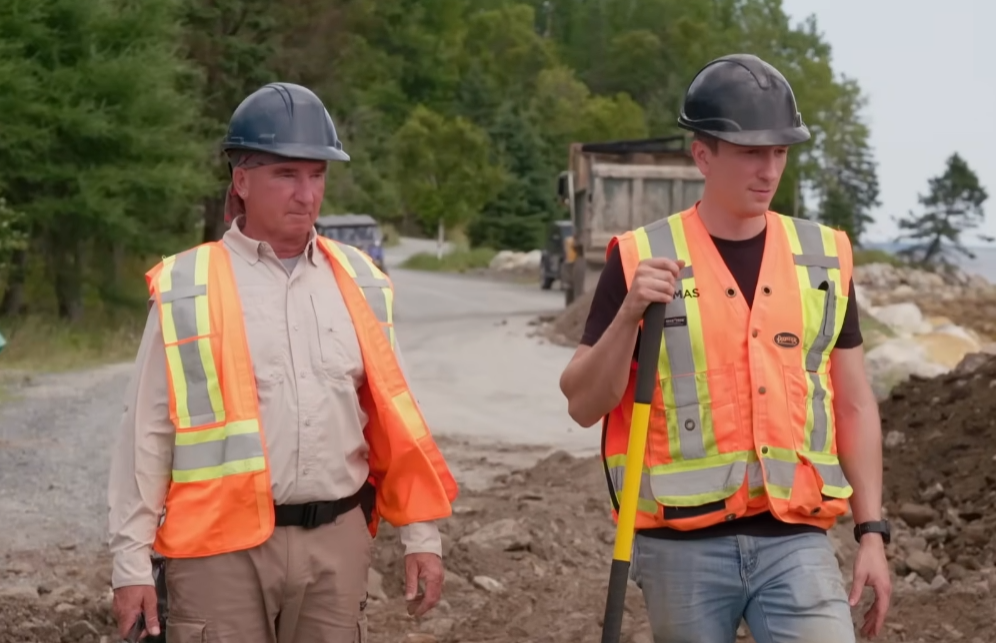
The next major step involves Dumas Contracting Limited, a Canadian mine shaft construction and engineering firm. The company presented a plan to rehabilitate the existing 10-by-10 wooden Garden Shaft down to approximately 77.5 feet. The proposed work includes exposing the shaft collar, building a concrete foundation, removing backfill, stabilizing the surrounding soils with grout, and rebuilding the structure with new waterproof timbers.
For the Oak Island team, this could be a turning point. The Garden Shaft rehabilitation would allow members of the fellowship to physically descend underground in the Money Pit area. That has rarely been possible in the modern search. Most of the team’s understanding has come from boreholes, scans and samples. Going underground would provide what Rick often describes as an eyes-and-boots approach.
Even more important, Dumas indicated that probe drilling could be carried out as the shaft is rehabilitated. If voids are detected at certain depths, the team could potentially tunnel laterally from the shaft toward those targets. That opens the possibility of using the Garden Shaft not just as an old structure to be restored, but as a controlled access point for future underground exploration.
Away from the Money Pit, Lot 5 continues to add another layer to the mystery. At the Oak Island Interpretive Center, Emma Culligan used CT scanning to study a corroded coin found near a large stone foundation close to the shoreline. The scan suggested it may be an English George III penny or halfpenny, possibly dating to the 1770s. If accurate, that would place activity at the site decades before the 1795 Money Pit discovery.

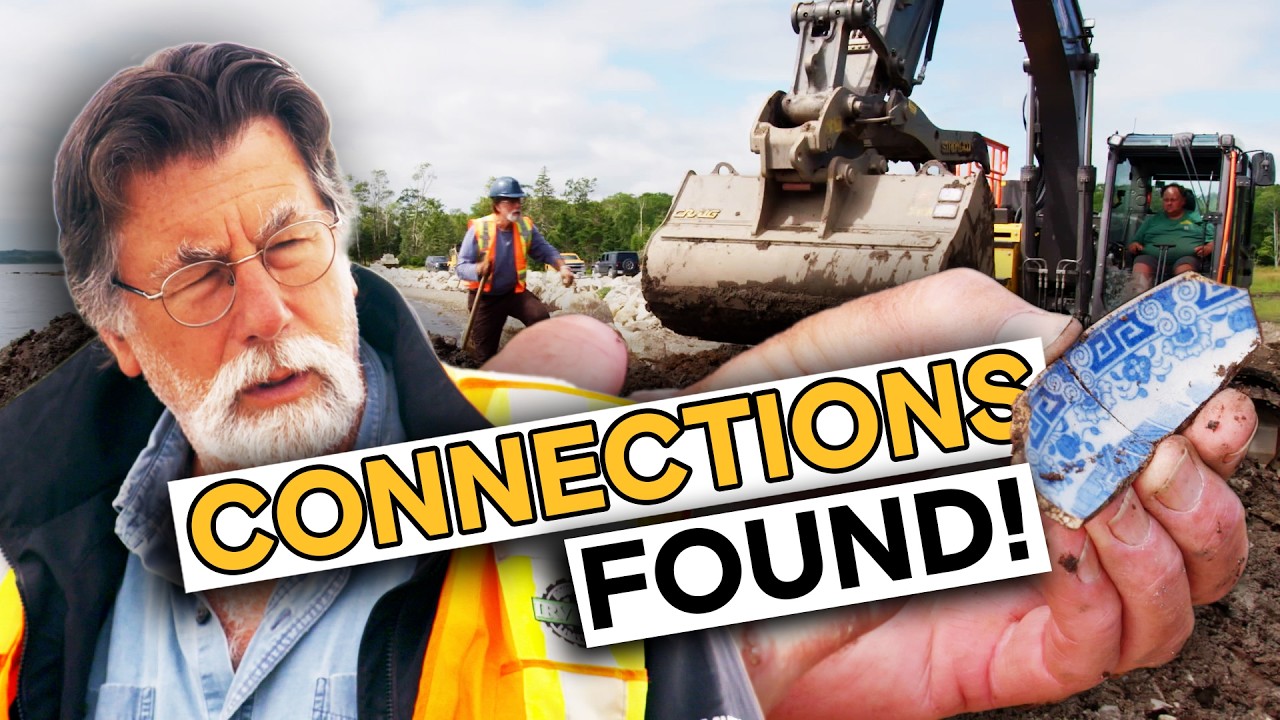
The Lot 5 discoveries did not stop there. Gary Drayton, Laird Niven and Rick Lagina later recovered several pieces of fine pottery, including fragments that appeared to be Chinese porcelain. Some pieces showed blue glaze and refined patterns, while others seemed to come from different vessels. Gary suggested that such porcelain could connect to older trade networks, including Portuguese routes. While that interpretation requires expert confirmation, the concentration of artifacts suggests the site was once active and potentially important.
The recovery of a possible old shoe or boot heel added another human element. Its construction, including signs of hobnail fastening, suggested it may be older than modern footwear. If dated properly, it could help identify the period of activity around the stone road and shoreline foundation.
From an analyst’s view, the episode’s strength is not in one single find. It is in convergence. Gold-bearing metal near the Money Pit, possible tunnel behavior near the Garden Shaft, plans for underground access, and older artifacts on Lot 5 all point toward a more complex history of Oak Island than a simple treasure legend.
The next phase will likely depend on whether the Garden Shaft rehabilitation proceeds successfully and whether boreholes in the C1 cluster continue to produce meaningful evidence. If the team can connect precious metal traces, disturbed underground structures and direct shaft access, the search may enter one of its most consequential stages yet.
Oak Island has produced promising clues before. But this time, the team appears to be moving from speculation toward a more practical question: not just whether something is underground, but how soon they can safely reach it.