The 14th-Century Coin on Oak Island: A New Clue in the Hunt for Lost Treasure
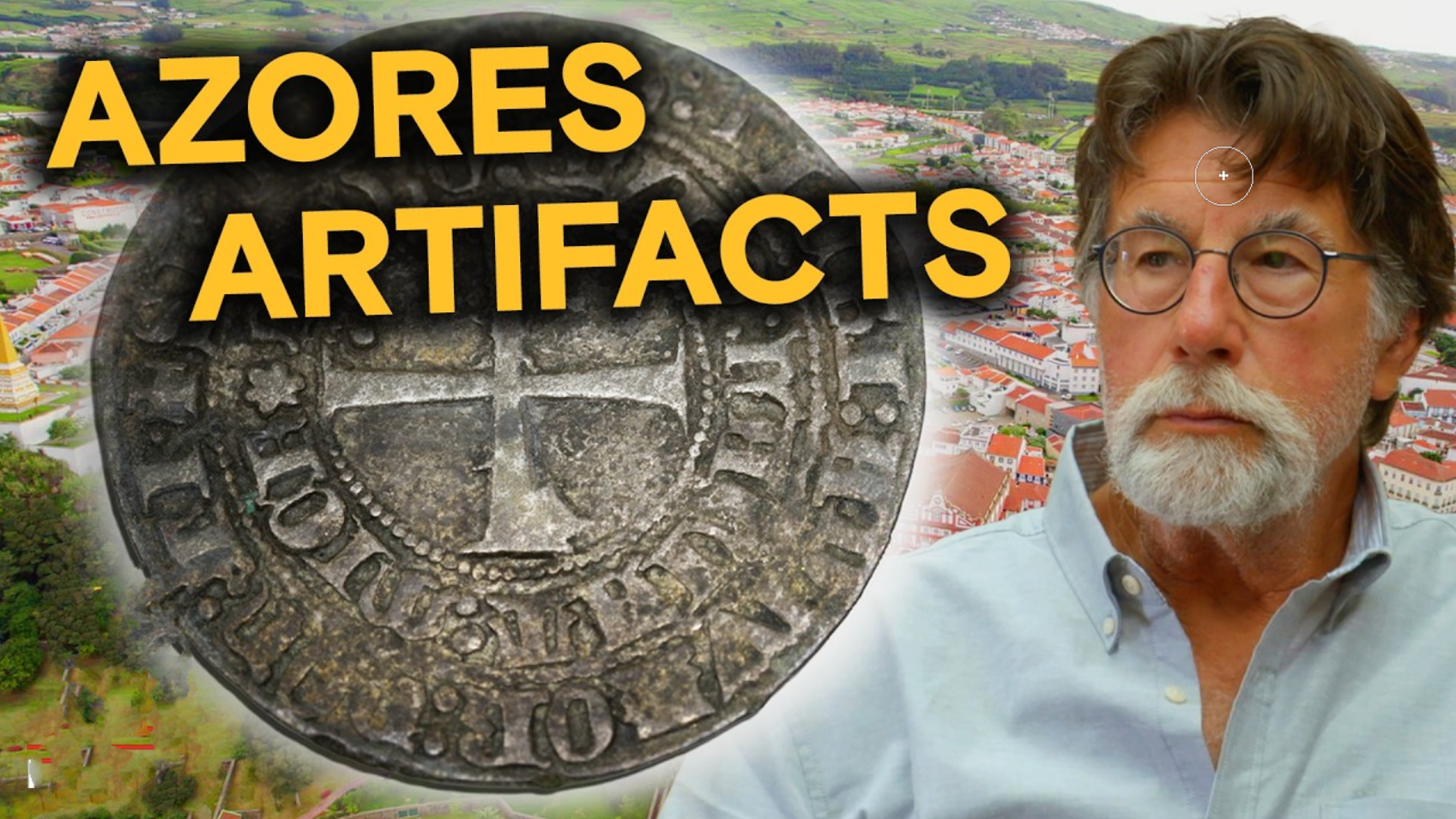
As the quest for treasure on The Curse of Oak Island continues, the team has uncovered a series of new clues that could point to a deeper and more complex historical mystery than previously imagined. In the latest thrilling development, Rick and his team traveled over 2,000 miles to the Azores Islands of Portugal, where they met with historians and archaeologists to investigate the possibility that members of the Portuguese Knights Templar may have used the Azores as a safe haven for a portion of their sacred religious treasures before eventually transporting them to Oak Island. This latest leg of the investigation brings the search closer than ever to a breakthrough, with tantalizing evidence pointing to a hidden treasure worth potentially millions of dollars.
Unveiling the Past: The Connection Between the Azores and Oak Island
The journey to the Azores Islands, an autonomous region of Portugal, was sparked by new research suggesting that the Portuguese Knights Templar, a secretive and powerful group from the 14th and 15th centuries, could have used the islands as a staging area for transporting treasure. The Knights Templar, infamous for their role in the Crusades and their mysterious disappearance, are believed to have hidden a portion of their treasure during their retreat from France in the early 14th century. Could this treasure have been concealed in the Azores before being brought to Oak Island? That is the question Rick Lagina, along with his team, hoped to answer during their visit to Terceira, one of the islands in the Azores archipelago.
Upon arriving in the Azores, the team met with Francisco, a historian familiar with the island’s history, who guided them through the Angra do Heroísmo Museum. There, they examined artifacts that could provide crucial insight into the mysterious connection between the Templars and Oak Island. Among the key discoveries was a stone carving dating back to the 15th century, possibly the oldest of its kind in the Azores. This artifact piqued the team’s interest, particularly due to the intricate patterns it displayed. Rick and his team were quick to make comparisons with an artifact they had previously uncovered on Oak Island.

Comparing Artifacts: A Symbolic Connection to the Templars
The connection between the artifacts from the Azores and Oak Island became even clearer when the team compared a stone carving from Terceira with a copper artifact they had found on Oak Island in 2022. The copper artifact, discovered on Lot 8, was decorated with an ornate symbol that had caught the team’s attention, as it resembled a design found in a Templar manuscript from Reykjavik, Iceland. When the team laid out the images of both artifacts, they noticed striking similarities in the symbols, particularly the swirls at the edges of the designs.
This discovery has the team questioning whether the Templars, or their descendants, were the ones who left clues in both the Azores and Oak Island. Could this symbol be a sign of the Templars’ involvement in the creation of the hidden treasure on Oak Island? The presence of such artifacts strengthens the possibility that the treasure being sought by the Oak Island team is not only ancient but tied to some of the most secretive figures in history.
A Portuguese Coin and Hand Cannon: More Clues Pointing to the 14th Century
The team’s investigation didn’t stop with the stone carvings. They also brought several artifacts from Oak Island to the Azores for expert examination. One of the most intriguing pieces was a coin from the reign of Ferdinand I of Portugal, dating back to the late 1300s. This coin, found on Oak Island years ago, is believed to have been dropped during the early stages of the treasure hunt in the 1800s, possibly tied to drilling efforts in search of the treasure.
Additionally, the team showed archaeologist Tiago Rodrigues a piece of what is believed to be a hand cannon, a weapon first used in China during the 12th century. This discovery was especially significant because hand cannons weren’t commonly used in Europe until the 14th century. Could this hand cannon be further evidence of the Templars’ presence on Oak Island? If it was indeed a relic from the same era, it could be the missing link in the mystery of how the treasure arrived on Oak Island.
Tiago’s analysis of the coin and the hand cannon seemed to align with the team’s theory that the Templars were involved in hiding treasure in multiple locations across the world. “The connection is almost certain,” Tiago remarked, confirming that these artifacts likely belong to the same period in history that the Templars were active.
The Road Ahead: Uncovering the Treasure’s True Location
With so much historical evidence and increasingly compelling artifacts linking the Azores, the Knights Templar, and Oak Island, the team is now even more determined to solve the mystery of the treasure. The possibility of a treasure cache worth millions of dollars hidden on Oak Island is growing more plausible with each discovery. The team is focusing on areas where evidence of tunnels and underground chambers has been found, particularly in the Money Pit area and the surrounding swamp.
Rick and Marty Lagina are now more confident than ever that they are on the right track. “The forensic evidence seems to point to silver and gold underground, almost certainly,” Rick said. If the evidence continues to build, it may only be a matter of time before the team uncovers the legendary treasure that has eluded so many before them.
The team’s next steps will include more excavation and drilling in the areas where the artifacts were found, along with further analysis of the water samples that could point to precious metals buried deep within Oak Island. With the help of local experts, the team hopes to uncover new clues that will help them pinpoint the exact location of the treasure vault, if it exists.

Conclusion: A New Chapter in the Oak Island Mystery
The recent developments in the search for treasure on Oak Island are not just intriguing—they are groundbreaking. With new evidence pointing to the Templars’ involvement and the discovery of artifacts from the 14th century, including a Portuguese coin, a hand cannon, and a symbolic stone carving, the team is on the verge of potentially solving one of the world’s oldest and most mysterious treasure hunts.
As they continue to explore the connection between the Azores and Oak Island, the Curse of Oak Island team is closer than ever to uncovering the long-lost treasure—and with it, perhaps rewriting history. The next few months could be crucial in bringing this incredible mystery to its conclusion.