THE ARCHITECTURE OF SILENCE: RICK LAGINA IDENTIFIES $300M “CONVERGENCE POINT” ON OAK ISLAND
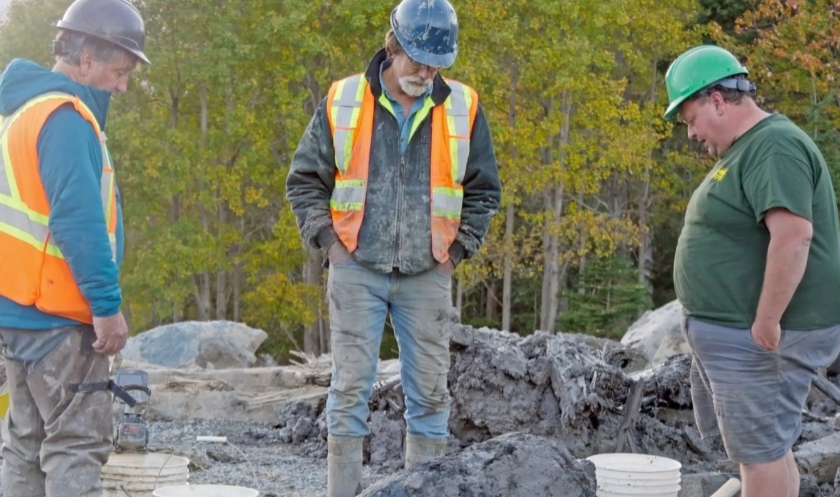
For over a decade, Rick Lagina has been the measured, often reluctant voice at the center of the world’s most enduring treasure hunt. But this week, the air of speculation that has defined the 229-year search was replaced by something far heavier: certainty. In a move described by observers as a “rupture in the narrative,” Lagina has pinpointed a singular, precise location that he believes holds the heart of the Oak Island mystery.
Beyond the Money Pit
For generations, the “Money Pit” served as the loud, chaotic center of the search—a magnet for obsession that absorbed millions of dollars and six lives. However, new forensic analysis suggests that the famous shaft was never the vault, but the bait. Lagina’s focus has shifted away from the dramatic collapses of the Money Pit toward a quieter, more stable zone that has remained virtually undisturbed for centuries.
“Calm is often where control lives,” says a source close to the team. “The island didn’t protect the most famous place; it protected the most important one.”
This “New Target” sits at the intersection of three converging data sets: early 18th-century European maps, 19th-century survey notes, and modern ground-penetrating scans. Where historical maps hinted at an “offset” and modern technology revealed “reinforced anomalies,” the team found a perfect overlap. The engineering here is directional, with flood systems designed not just to punish diggers, but to steer them away from this specific, silent core.
[Image: Rick Lagina pointing to a high-resolution sonar overlay of a previously ignored sector of the island.]
The $300 Million “Disguise”
While a conservative valuation of the site’s potential contents sits at $300 million, the team argues that the financial figure is a modern distraction. The level of secrecy, the multi-generational coordination of the build, and the lethal precision of the flood tunnels suggest that the motivation was never simple wealth.
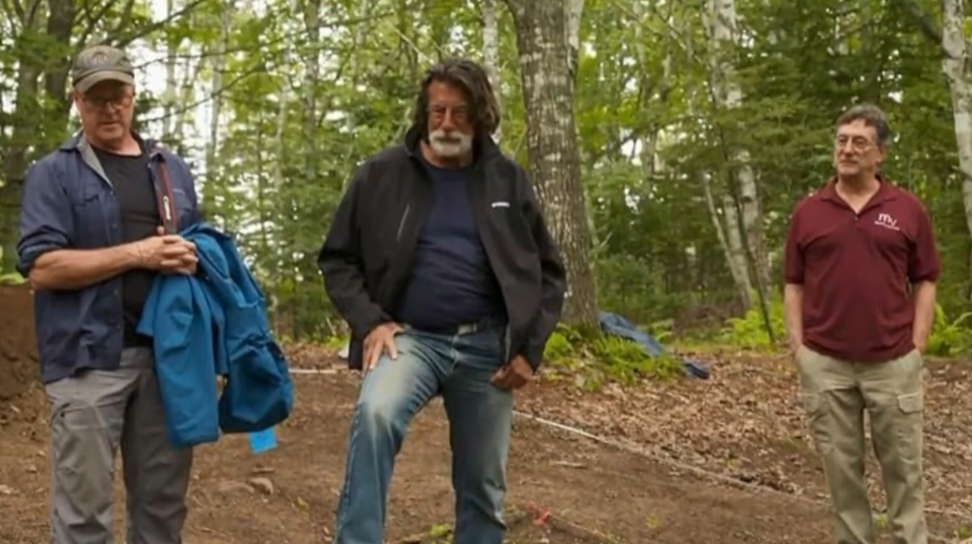
“Gold is heavy, but it’s not heavy enough to justify centuries of engineered misdirection,” Lagina reportedly noted. The prevailing theory among the team is that the $300 million in precious metals may have been the “disguise”—material value used to justify the containment of something far more disruptive: knowledge, records, or historical evidence that could rewrite the narrative of the New World.
The Weight of Responsibility
The identification of the site has transformed the energy on the island. The “hunt,” once a romantic adventure fueled by “maybe,” has become an ethical dilemma defined by “now.” Rick Lagina’s restraint in naming the location earlier was not due to a lack of evidence, but a fear of the consequences. Urgency is the one thing Oak Island has historically punished with tragedy and collapse.
The discovery has forced the team to confront a sobering possibility: that the builders didn’t want the vault to be found by the lucky, but only by the patient. The system was designed to outlast memory, requiring a level of wisdom and “celestial alignment” to unlock that no previous generation possessed.
The Final Test: To Dig or To Respect?
As the team stands on the edge of a truth that has waited since 1795, the conversation has moved beyond mechanics and into the realm of judgment. If the site was sealed to remove a dangerous secret from circulation, is it the right of modern searchers to unleash it?
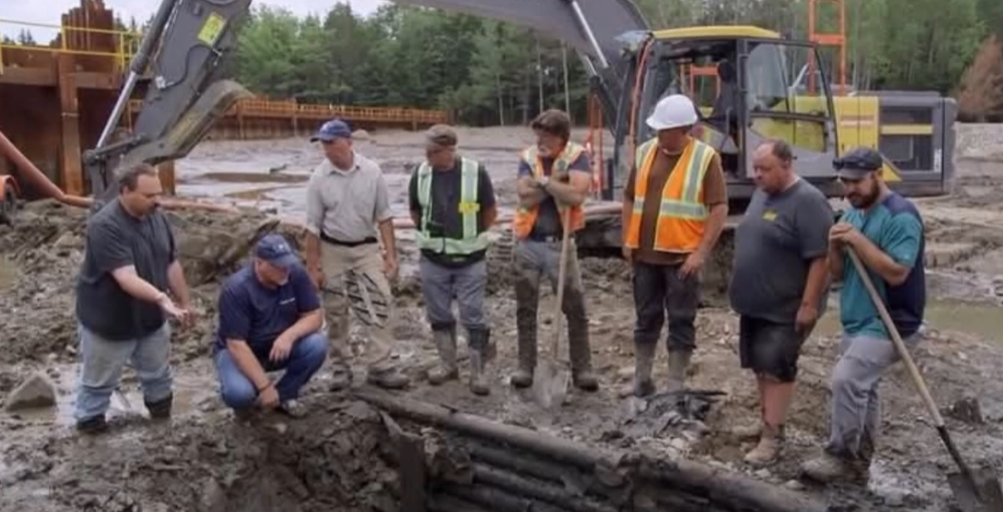
“Knowing where something is buried is not the same as being entitled to it,” the Chronicle was told. For Rick and Marty Lagina, the success of Season 13 may not be measured by what they pull from the ground, but by the wisdom they show in handling a secret that was never meant for their era.