THE OAK ISLAND ENIGMA: Michigan Brothers Near ‘Endgame’ in 200-Year-Old Treasure Hunt
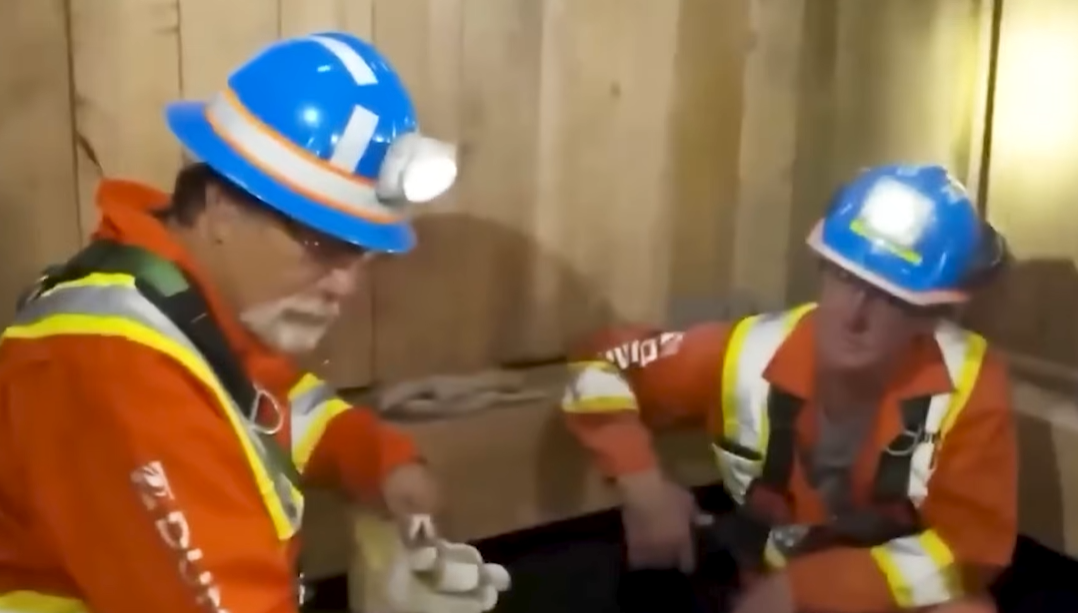
For over two centuries, Oak Island has been a graveyard for fortunes and a siren for the ambitious. But where legends like Franklin D. Roosevelt and legendary hunter Dan Blankenship saw only muddy disappointment, two brothers from Kingsford, Michigan—Rick and Marty Lagina—are finally pulling history from the depths of the infamous “Money Pit.”
What began as a childhood fascination sparked by a granite boulder in Michigan has evolved into a high-stakes, multi-million dollar archaeological siege. Backed by the TV network A&E (and its hit show The Curse of Oak Island), the Lagina brothers have transitioned from cautious dreamers to the most successful excavators in the island’s checkered history.
A Trail of Bizarre Breadcrumbs
While skeptics have long dismissed the island as a natural sinkhole, the artifacts recovered by the team suggest a much more complex—and bizarre—timeline. The discoveries have effectively challenged the traditional narrative of North American exploration:
-
The Roman Sword: A ceremonial blade recovered in Season 3 suggests a Roman presence in the North Atlantic centuries before Columbus.
-
The Lead Cross: Found by “metal detecting ninja” Gary Drayton, this 13th-to-17th-century artifact bears carvings similar to those found in Templar prisons, fueling theories of a secret Knights Templar voyage.
-
Ancient DNA: Perhaps the most shocking find was the recovery of human bone fragments from the Money Pit. Lab testing identified Middle Eastern and European ancestry, predating the island’s 1795 discovery.
-
The Raspberry Garnet: A 500-year-old gemstone that some theorists link to the lost jewels of Marie Antoinette.
Engineering the Impossible
The “Money Pit” is notoriously protected by a series of sophisticated, man-made flood tunnels designed to drown anyone who digs too deep. To combat this, Marty’s college roommate and partner Craig Tester implemented a radical “ground freezing” technique. By stabilizing the earth and blocking the Atlantic’s ingress, the team has managed to reach depths that stymied generations of searchers, including the ill-fated Onslow and Truro companies.
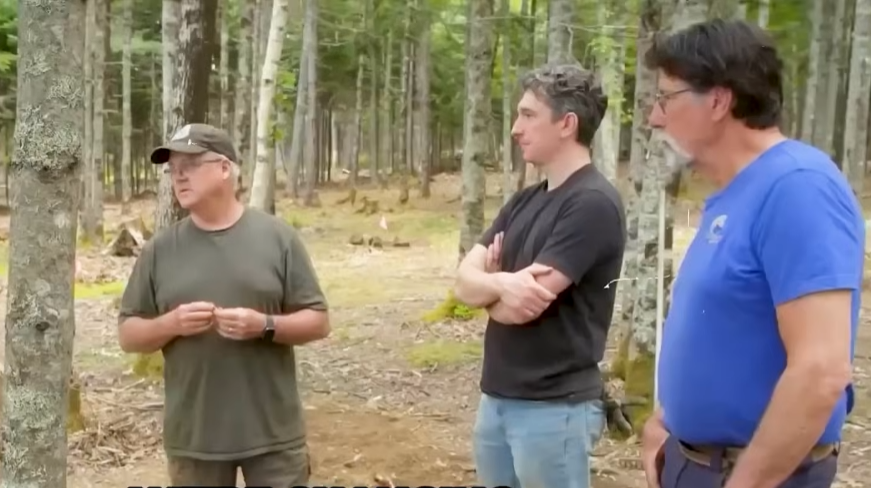
Beyond the dirt and water, the team has leaned heavily on historical expertise. The late Zena Halpern provided a 1647 French map that introduced labels like “the hatch” and “the valve,” providing a literal roadmap for the brothers’ most recent digs.
The Business of the Hunt
While the search for gold continues, the brothers have already struck “treasure” in terms of legacy and financial success. Marty Lagina, the more cautious of the two, has parlayed his background in energy and engineering into a net worth estimated at $50 million. Rick, the emotional heart of the operation, sits at roughly $2 million.
Despite the financial gain, the brothers insist the mission is about “finding the truth.” With recent discoveries of man-made structures set at odd angles deep underground, the team is convinced they are closing in on the “Chapel Vault”—the fabled chamber rumored to hold everything from Shakespearean manuscripts to religious relics.
What Lies Beneath?
As the hunt enters its next phase, the question remains: is the treasure a physical pile of gold, or is the “treasure” the rewritten history of the Western world? From Viking-style carvings to Phoenician goddess symbols, Oak Island continues to be the world’s most frustrating jigsaw puzzle.

Rick and Marty Lagina have certainly carved their names into the island’s history. Whether they find a chest of gold or merely more “bizarre” parchment, the brothers have proven that the legend of Oak Island is very much alive.