When ‘Mechanical Beasts’ Turn: The Horrific Gold Rush Accident That Nearly Shut Down an Empire
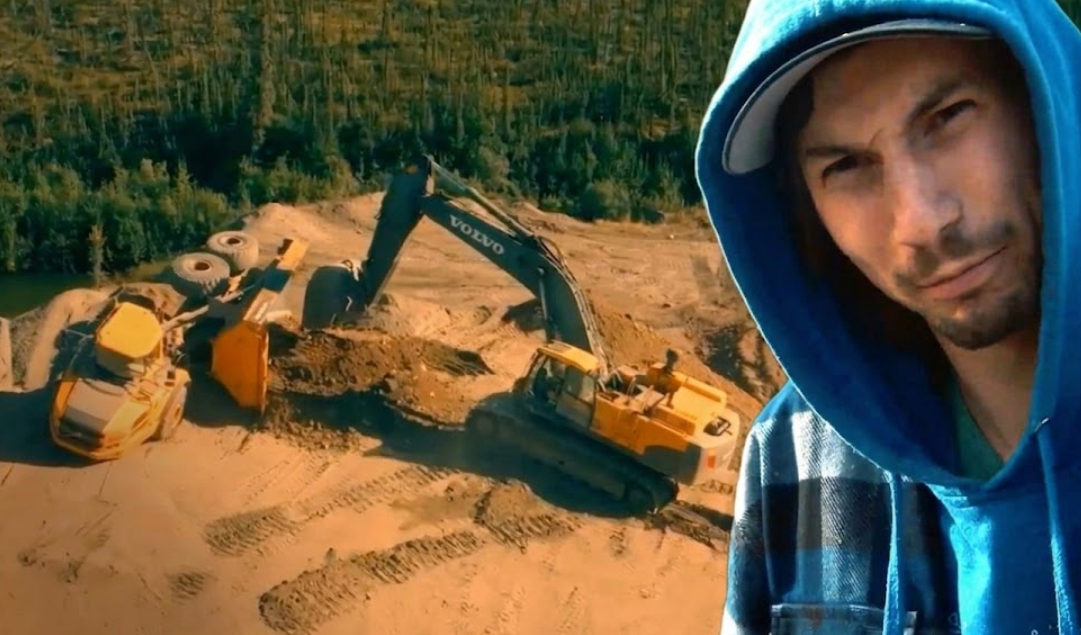
When Million-Dollar Mining Plans Suddenly Fall Apart
On Gold Rush, success often depends on massive machines running around the clock in brutal conditions. Wash plants, excavators, rock trucks and conveyors are not just tools — they are the heartbeat of every operation. But when even one critical piece of equipment fails, entire mining seasons can spiral into chaos within hours.
Over the years, Discovery’s Gold Rush has captured some of the most devastating equipment breakdowns ever seen in the Klondike. From collapsing wash plants to catastrophic engine failures, these moments have cost miners millions in gold, forced emergency repairs and pushed crews to the edge physically and financially.
What makes these breakdowns unforgettable is not just the damage itself, but the timing. Many happened during crucial stretches of the season when miners were racing against winter deadlines and desperately trying to hit gold targets.
Parker Schnabel’s Race Against Time
Few miners understand the danger of mechanical failure better than Parker Schnabel. Running one of the largest operations in the Yukon means Parker depends heavily on high-capacity equipment operating almost nonstop.
One of the most damaging setbacks came when key components on his wash plants began failing during major production pushes. Conveyor systems jammed, water systems ruptured and structural cracks threatened to shut down operations entirely. In some cases, crews were forced to halt gold recovery while emergency welding and repairs took place in freezing conditions.
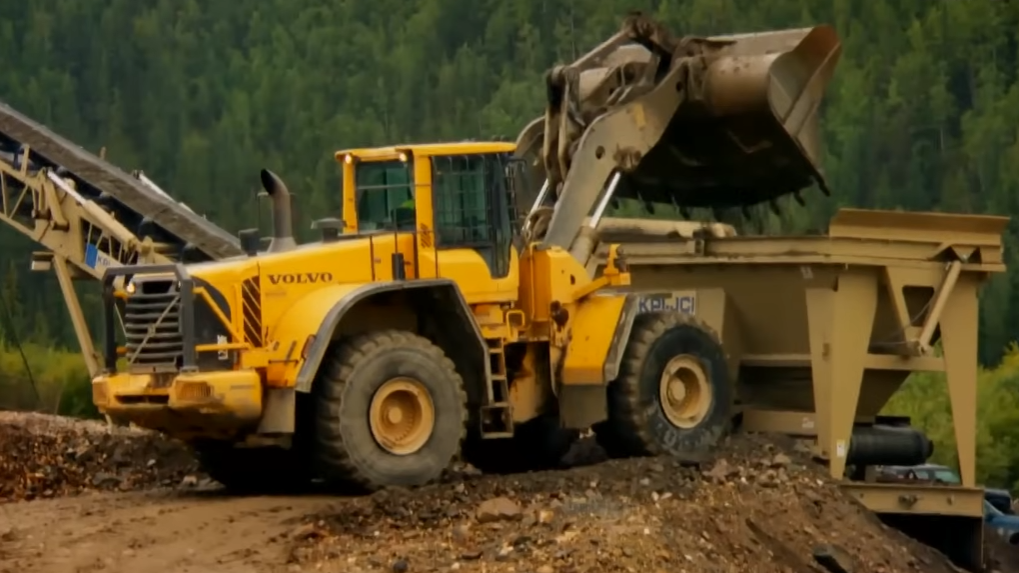
The pressure became especially intense during seasons where Parker was chasing ambitious targets of 8,000 to 10,000 ounces. Every hour of downtime represented lost gold and rising operating costs. Massive crews still had to be paid, fuel continued burning and expensive machinery sat idle while mechanics scrambled for solutions.
One memorable incident involved a critical water line failure that nearly crippled production. Without water, the wash plant could not process pay dirt, bringing one of the mine’s most productive systems to a complete stop. Parker’s crew worked deep into the night attempting temporary repairs just to keep the season alive.
Tony Beets and the Cost of Heavy Machinery
Tony Beets has always embraced a larger-than-life mining style, relying on giant machines and aging but powerful equipment to move enormous volumes of dirt. But that approach has also produced some of the most dramatic breakdowns in Gold Rush history.
At various points, Tony’s operations suffered from destroyed excavator components, failed conveyor belts and serious wash plant damage that threatened to wipe out weeks of work. His massive dredges — iconic symbols of his mining empire — also became expensive headaches requiring constant maintenance and repairs.
In one particularly stressful moment, critical equipment failures forced Tony’s crew into emergency troubleshooting while production numbers slipped behind schedule. The setbacks highlighted just how fragile even the biggest mining operations can become when machinery begins collapsing under pressure.
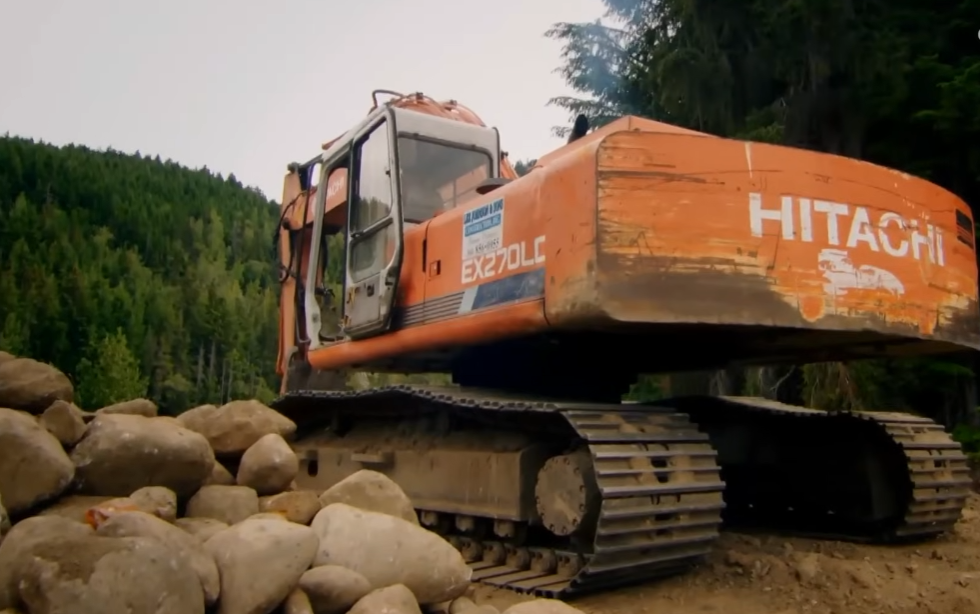
For Tony, repairs are often more than mechanical problems. They become logistical nightmares. Replacement parts may need to travel hundreds of miles into remote mining territory, while crews lose valuable time waiting for equipment to return online.
Rick Ness Faces His Own Breaking Point
Rick Ness has also endured brutal breakdowns during his years on Gold Rush. Running leaner operations with tighter budgets often leaves less room for error. When machines fail, the impact can hit even harder.
During one difficult season, Rick’s wash plant problems created repeated delays that crushed momentum. Hydraulic issues, damaged components and constant maintenance concerns drained both morale and resources. Every setback pushed the crew further behind at a point when they could least afford it.
The emotional pressure became visible on screen as Rick struggled to balance repair costs with the reality that winter was rapidly approaching. Unlike larger operations, smaller crews often cannot absorb repeated failures without serious consequences.
Mining’s Most Dangerous Enemy Isn’t Always the Ground
What Gold Rush repeatedly reveals is that miners are not only fighting nature. They are fighting time, exhaustion and mechanical survival every single day.
Modern gold mining depends entirely on machines capable of processing enormous amounts of material quickly. But Yukon conditions are relentless. Mud, freezing temperatures, sharp rocks and nonstop operation punish equipment continuously throughout the season.
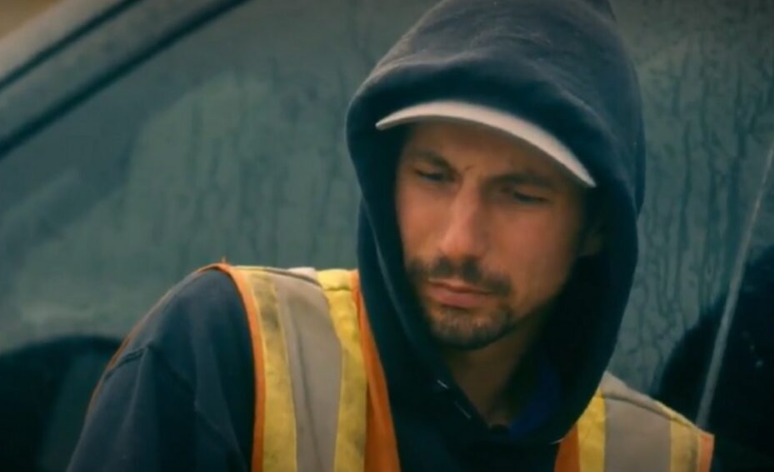
Even a relatively small failure can trigger chain reactions across an operation. A broken loader can stop trucks from moving dirt. A damaged conveyor can shut down gold recovery. A failed engine can leave entire cuts sitting untouched while crews lose precious days.
Why These Breakdowns Changed Gold Rush History
Some breakdowns became turning points that reshaped entire seasons. Others forced miners to rethink strategies, relocate crews or abandon promising cuts altogether.
For viewers, these moments expose the harsh reality behind the gold totals shown at weigh-ins. Every ounce recovered comes with enormous risk, and sometimes the greatest threat is not buried underground — it is sitting right in the middle of camp covered in grease, smoke and broken steel.