Parker Schnabel’s Million-Dollar Week: Parker Schnabel Strikes ‘Red Gold’ at Dominion Creek
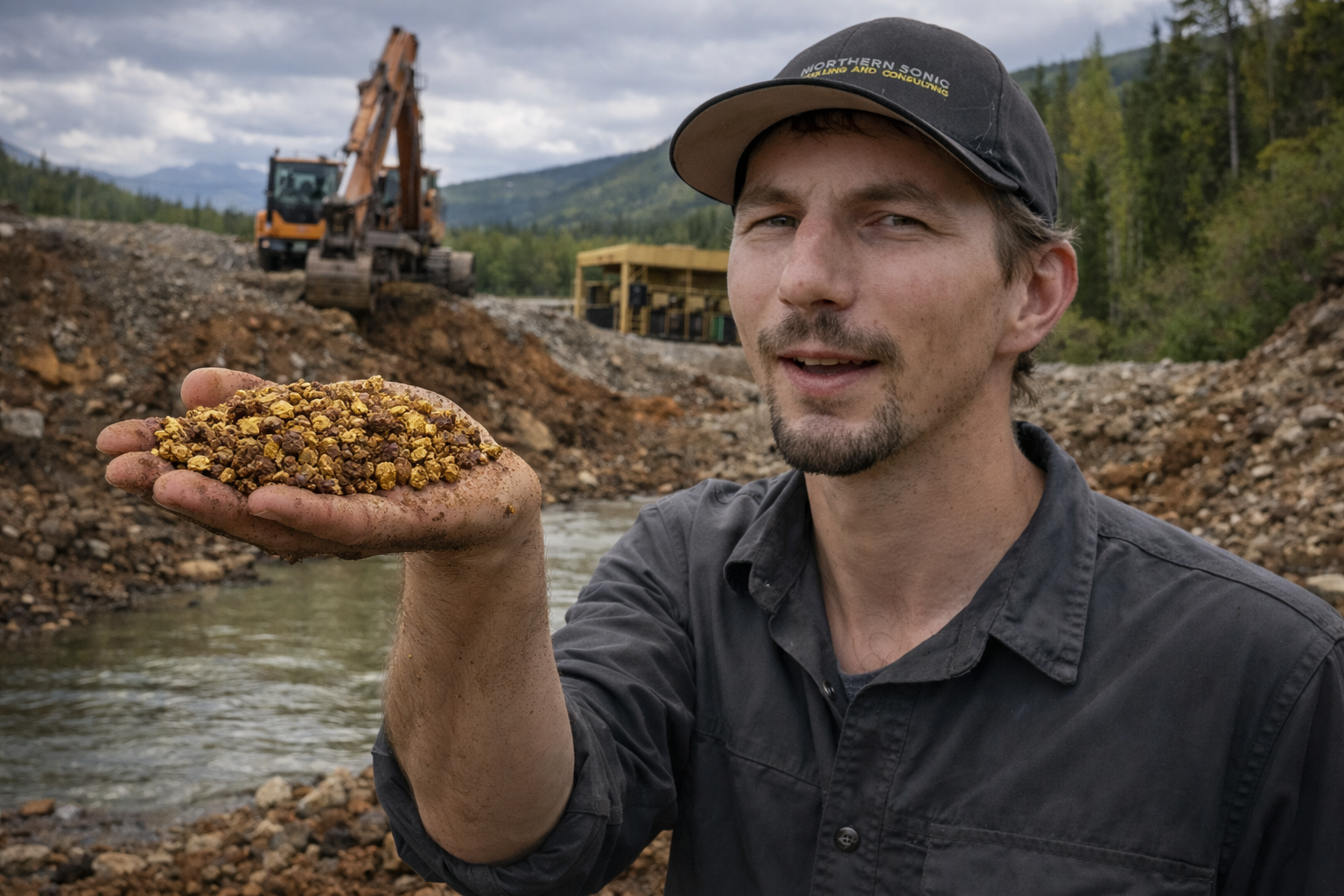
Parker Schnabel has built his Gold Rush reputation on making difficult decisions before the rest of the field is ready to follow. But this season, even Parker appeared to be running out of answers. A 10,000-ounce target had placed enormous pressure on the operation, key cuts were underperforming, and morale had started to slide. Then, in one seven-day burst, his crew pulled more than $1 million in gold from the ground and turned a struggling campaign back into a serious run.
From an analyst’s point of view, this was not just a strong cleanup. It was a strategic reset. Parker’s team did not simply find more gold in familiar ground. They proved that an overlooked layer of red gravel at the Bridge Cut could produce serious value. That single discovery may become one of the most important turning points of the season.
The week’s headline number was 421.6 ounces, valued at more than $1.05 million. The Long Cut delivered the largest share, producing 285.1 ounces in a record cleanup worth approximately $712,000. But the more revealing result came from the Bridge Cut, where Parker tested a layer most miners would likely have ignored. Expected to bring in around 80 ounces, the red gravel produced 136.5 ounces, worth about $341,000.
That result matters because it changes the ground model. In the Klondike, miners are trained to chase known pay layers. The white channel gravels have long carried near-mythic status because they have produced gold for generations. The red gravel, sitting between familiar zones, did not have the same reputation. There was no guarantee it would pay, and running it meant committing fuel, labour, machine hours and wash plant time to an unproven material.
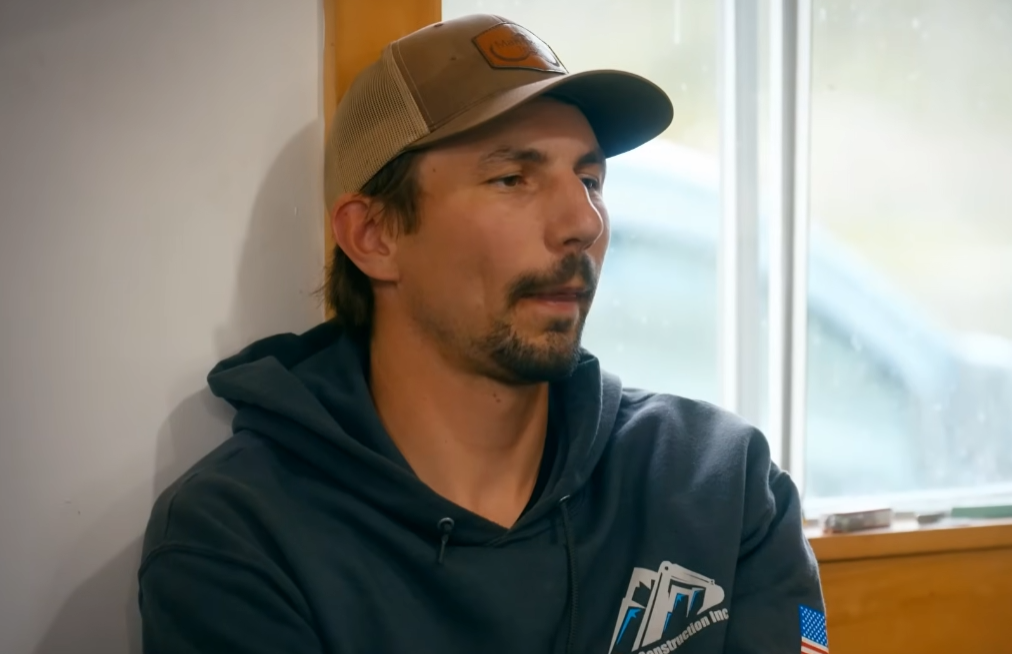
Earlier in the season, Parker might not have been forced into that kind of decision. But the numbers had become uncomfortable. His original 10,000-ounce goal was eventually revised down to 8,000 ounces, a rare public concession from a miner who usually sets aggressive targets and expects his crew to meet them. By mid-season, with the total still under 3,500 ounces and Sulphur Creek failing to deliver as hoped, the operation needed a new source of gold quickly.
That is what made the Bridge Cut decision so important. Parker was not exploring for fun. He was trying to recover control of the season. Every plant hour had to count. Every bucket had to justify its cost. In that context, choosing to run red gravel was not reckless; it was a calculated response to a shrinking list of options.
The mechanical side of the story was just as important. The plan nearly failed when Big Red’s hopper feeder suffered a major tail drum failure. Losing two days in a short Yukon season can damage the entire week’s production schedule. It also affects crew confidence. When a plant is silent, the operation is not just losing gold; it is burning money without return.
Mechanics Alec and Liam became central to the turnaround. Working through the night to replace the 200-pound drum, they turned what could have become a week-ending breakdown into a temporary delay. That kind of repair work often receives less attention than the gold weigh, but it is the reason the weigh can happen at all. In large-scale placer mining, mechanics are not support staff. They are production protectors.
Once Big Red was running again, Parker loaded the first bucket of red gravel himself. That moment carried symbolic weight. When a mine boss personally feeds untested ground into a plant, he is putting his judgement in front of the crew. If the result fails, the responsibility is his. If it works, the decision lifts everyone.
The cleanup proved that the red gravel was not waste. A 136.5-ounce return from ground with low expectations is the kind of result that can reshape a cut plan overnight. It means Parker may have more mineable material than previously thought. It also means previous assumptions about what should be stripped, saved, or discarded may need to be reconsidered across the claim.
The Long Cut’s 285.1 ounces gave the week its huge financial weight, but the Bridge Cut gave it strategic meaning. The Long Cut showed that Parker still has strong ground. The red gravel showed that he may have additional layers of value hidden inside ground others would dismiss. That distinction is important for the rest of the season.
Parker’s revised 8,000-ounce target remains difficult. With the season total now at 3,867.8 ounces, his crew still needs a sustained run of strong weekly production. The new average required — about 340 ounces per week — is demanding but no longer unrealistic if both the Long Cut and Bridge Cut continue contributing. The million-dollar week does not solve the season, but it changes the math.
The biggest prediction from here is that Parker will intensify testing around the red gravel zone. He will likely want to know whether the 136.5-ounce result came from one unusually rich section or from a repeatable pay layer. If drilling, panning and plant results show consistency, Big Red could remain committed to the Bridge Cut longer than originally planned. If the red gravel fades quickly, Parker will need to treat it as a useful boost rather than a season-saving foundation.

There is also a management challenge ahead. A million-dollar week can energise a crew, but it can also create pressure to chase every promising idea at once. Parker’s operation works best when his crew has a clear plan, enough pay stockpiled, and plants running without constant relocation. The temptation after a big result is to expand too quickly. Parker will need to avoid turning a strong discovery into another logistical strain.
For viewers, this is exactly the kind of Gold Rush storyline that works: a season sliding away, an overlooked layer of ground, a major breakdown, a night repair, and a cleanup that changes the mood of the entire camp. It also reinforces why Parker remains one of the strongest mine bosses on the show. He is willing to challenge old assumptions, but he still relies on data, production discipline and crew execution.
The red gravel may not carry the romance of legendary white channel pay, but it has given Parker something more valuable at this moment: time, momentum and a new path toward 8,000 ounces. In the Yukon, that can be the difference between a disappointing season and a record-worthy comeback.