Tony Beets’ $800,000 Wash Plant Test Shows Why Experience Still Rules the Klondike.

Tony Beets has never been the kind of miner to wait quietly for conditions to improve. On Gold Rush, his success has always come from action: move the iron, fire up the plant, fix the problem, and keep the gold coming. In the latest sequence from Indian River, that attitude is on full display as Tony pushes a newly purchased $800,000 wash plant into production — only to be reminded that even the best machinery is only as good as the system built around it.
The goal is simple. Tony needs his Indian River operation producing again, and he wants the new plant running by the end of the day. The ground has already been through difficult upper layers, and the pay at Indian River now appears ready to deliver. For Tony, that makes the decision clear: the plant must be moved, positioned, connected and fired up as quickly as possible.
But the setup is not straightforward. The plant’s 53-foot tailings conveyor creates an immediate logistical problem. Mike Beets cannot back the dozer close enough to the rear of the plant, so he has to detach, reconnect from the front with a longer cable, and carefully guide the plant into a tight position between the shaker decks, feed conveyor and pay pile. It is the kind of machinery ballet that Gold Rush often makes look quick on screen, but in reality depends on inches, timing and experienced operators.
At first, the move goes surprisingly well. Mike gets the plant into place, the water line is hooked up, and the first scoop of pay dirt goes in. For the first time this season, Tony has two wash plants bringing in gold at Indian River. That is a major step forward. In a short mining season, a second plant can transform the pace of production. More yardage means more gold, and more gold means Tony can make better use of the limited time before weather closes in.
Then the weak point appears.
The problem is not the plant’s ability to wash pay dirt. It is the way the tailings are being discharged behind the machine. Unlike Tony’s other plants, this setup sends both coarse and fine tailings into an area where first-year miner Chelsea March must clear the material. The fine tailings mix with water from the sluices, turning the ground soft and unstable. As Chelsea tries to keep up, the working area begins to break down beneath her loader.
The situation quickly becomes serious. Tailings build up, water spreads, visibility becomes poor, and the pad supporting the wash plant is at risk. If the pad erodes or becomes unstable, the entire plant could be forced offline for longer than a simple pause. Chelsea reports that she cannot keep up, and the plant is shut down.
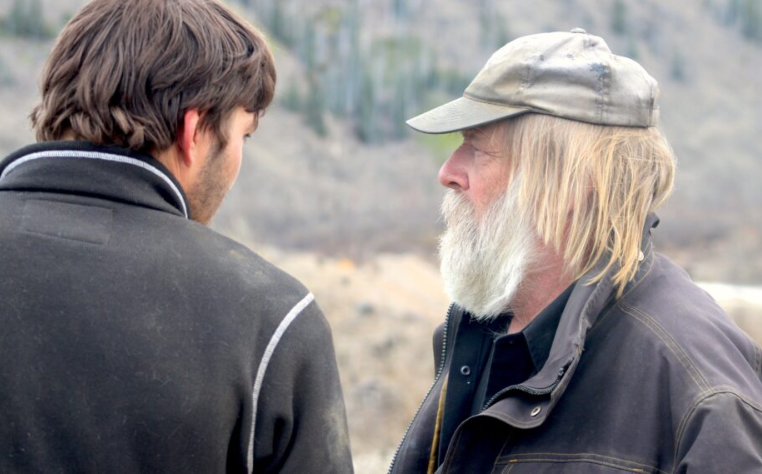
For Tony, that is unacceptable. From his perspective, a new plant that has only just started running should not already be sitting idle because of tailings management. His frustration is clear, but this is where the sequence becomes more than a moment of anger. It becomes a lesson in old-school mining knowledge.
Tony climbs into the loader himself and shows Chelsea exactly what needs to happen. His diagnosis is immediate: she cannot build a working surface out of wet sand-like fines. The loader needs a firm route in and out, and the water must be directed away instead of allowed to spread across the pad. His solution is to use coarse tailings to create a raised road. That road gives the loader traction, provides a stable path to clear tailings, and channels water toward the settling pond.
It is a simple fix, but only simple to someone who has spent decades reading mining ground. Tony understands that water control is everything around a wash plant. Gold recovery gets the attention, but tailings and drainage keep the operation alive. A plant can be perfectly placed, properly fed and mechanically sound, yet still fail if the ground around it turns to mud.
Chelsea’s role in the sequence is also important. She is a first-year miner operating under pressure around expensive equipment, moving water, soft ground and Tony’s expectations. Her mistake is not unusual. Tailings management is one of those mining jobs that looks repetitive until it goes wrong. The challenge is not only clearing material; it is shaping the area so the next pass becomes easier, not harder.
Tony’s teaching style is blunt, but effective. He tells her what went wrong, demonstrates the solution and leaves her with a system she can repeat. His comment about not being able to put an old head on young shoulders captures the heart of the scene. Experience cannot be transferred instantly. But it can be shown. Once a young operator sees the right method, the next problem becomes easier to solve.
From a Gold Rush analyst’s view, this moment says a lot about Tony’s operation. The $800,000 wash plant is not just a purchase; it is a test of the entire crew. Can Mike move it safely? Can the team connect water quickly? Can Chelsea manage tailings? Can the operation run two plants without one problem pulling resources away from the other? These are the questions that decide whether a major investment pays back or becomes another expensive complication.
The plant’s early shutdown does not mean the plan has failed. In fact, the opposite may be true. The problem was identified early, corrected quickly and turned into a training moment. If the new tailings road holds, Tony’s Indian River operation should be in a much stronger position. Two plants running together could give him the production lift he needs, especially if the ground continues improving.
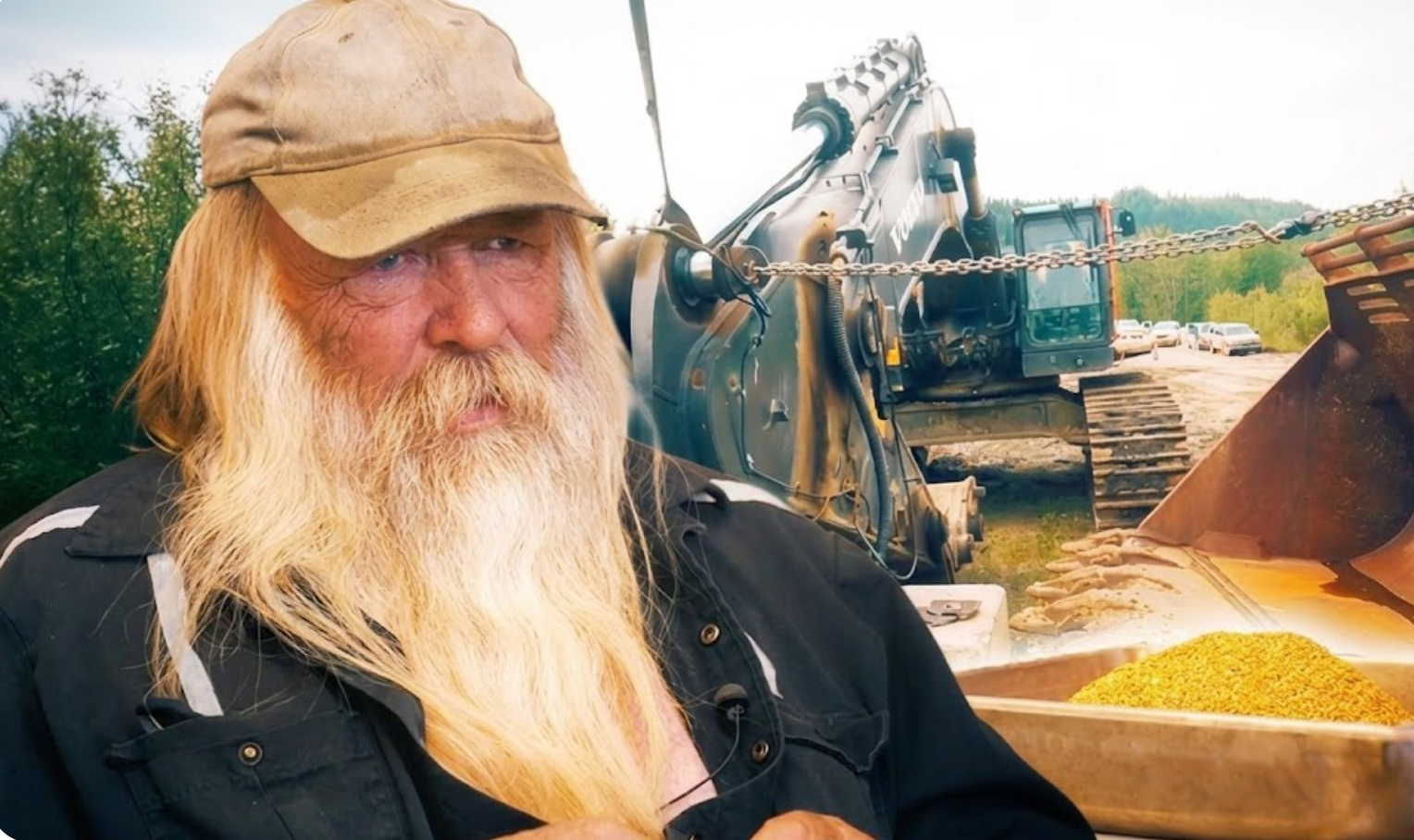
The bigger prediction is that this plant will become a key part of Tony’s mid-season push, but only if the crew can maintain discipline around the pad. The machine itself appears capable. The weakness is the support system: roads, tailings flow, water control and operator rhythm. If those pieces stay under control, Tony’s Indian River setup could become one of his most productive sections of the season.
This is why Tony Beets remains one of the most compelling figures on Gold Rush. He does not simply buy equipment and hope it works. He understands every part of the chain, from the pay pile to the settling pond. When something fails, he can step into the machine and prove the fix himself.
The new wash plant may have stumbled in its first run, but Tony’s response shows why his operation usually recovers faster than most. In the Klondike, gold mining is not only about finding rich ground. It is about keeping the plant running when the ground, water and machinery all start working against you. On that measure, Tony’s $800,000 investment is back on track — and Chelsea has learned a lesson she will not