Kevin Beets Is Drowning in Debt. Now He Needs Tony Beets to Save Him!
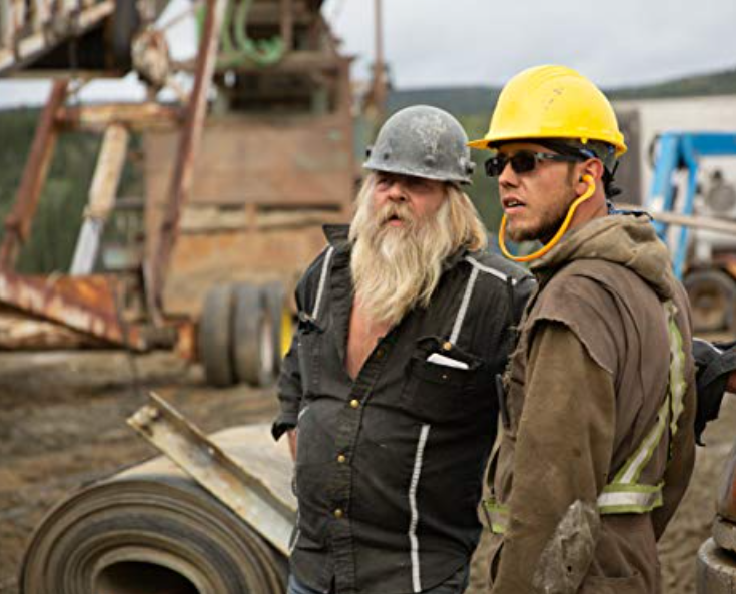
Kevin Beets entered Gold Rush Season 16 with the kind of ambition that only makes sense in the Klondike: enormous risk, thin margins, and the belief that one strong cut can change everything. After surviving his first year as an independent mine boss, Kevin came into his second season with a clear mission. He wanted to prove that he could build a real mining business outside the shadow of his father, Tony Beets.
That goal was never only about gold. It was about identity.
For years, Kevin was known as Tony Beets’ son: the mechanic, problem-solver, and dependable operator inside one of the most powerful family mining operations in the Yukon. But Season 16 has shown a much harsher truth. Knowing how a mine works is very different from owning one. When the bills, debts, payroll, repairs, and production shortfalls all land on one person’s shoulders, independence becomes far more expensive than it appears from the outside.
Kevin’s target for the season was 2,000 ounces. On paper, it was aggressive but not impossible. He had experience, a crew, equipment, and the confidence that comes from growing up around mining. Early in the season, there were promising signs. The operation started sluicing earlier than expected, giving Kevin a valuable head start before winter. For a brief period, it looked as if his second year could become the breakthrough he needed.
But placer mining is not controlled by confidence. It is controlled by ground.
As the weeks passed, Kevin’s pay dirt failed to produce at the level required to support the operation. The gold totals stayed far below expectations, while costs continued to climb. Fuel, equipment repairs, crew wages, parts, and debt payments all kept eating into the business. The machinery had to keep running, but the gold coming into the box was not enough to match the pace of spending.
That is where Faith Tang’s role became crucial. Her review of the books revealed what the operation could no longer ignore: Kevin was falling badly behind. The business was not just missing its production target; it was losing financial stability. Cash reserves were shrinking, debt pressure was rising, and every weak cleanup pushed the operation closer to a difficult decision.
For viewers, this is one of the most compelling parts of Kevin’s Season 16 arc. The show often focuses on giant machines and gold totals, but the real tension is in the accounting. A mine can look active and still be in trouble. Excavators can dig, wash plants can run, and crews can work long days, but if the ounces do not cover the costs, the operation is failing quietly beneath the surface.
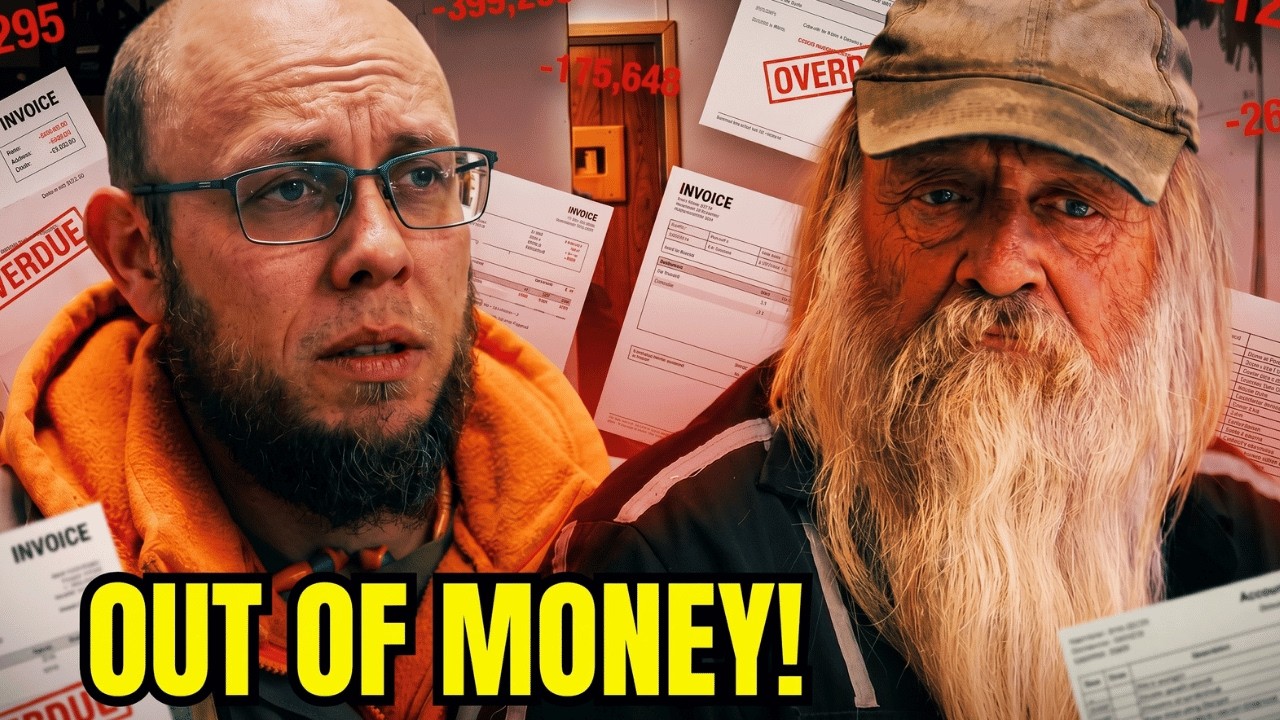
Faith’s suggestion that Kevin ask Tony for help created the emotional centre of the storyline. From a practical business perspective, it makes sense. Tony has equipment, experience, resources, and decades of mining knowledge. If Kevin needs support, his father is the most obvious person to call. But for Kevin, that option carries a heavy personal cost.
Kevin has spent years trying to prove that he can stand on his own. Asking Tony for help would not simply be a financial move. It would feel like surrendering the independence he has worked so hard to build. He knows that if Tony steps in, some people will say Kevin’s operation only survived because his father rescued it. That fear explains why he resists, even when the numbers suggest he may need support.
This conflict works because Kevin and Tony are more alike than either might admit. Both are stubborn, proud, and reluctant to show weakness. Kevin’s refusal to depend on Tony is, ironically, one of the clearest signs that he has inherited his father’s mentality. The same toughness that pushed him into independence may also make it harder for him to accept help when help is the smartest option.
The unpaid debt to Parker Schnabel exposed the financial strain even more clearly. Kevin still owed roughly $130,000 for equipment, and Parker eventually came to collect. That moment was uncomfortable because it stripped away the romance of mining. In the Klondike, friendship and reputation matter, but business still comes first. Parker has his own operation, his own payments, and his own pressures. He could not allow Kevin’s debt to sit unresolved forever.
Kevin and Faith eventually paid Parker using gold earnings and personal savings. That solved one immediate problem, but it did not strengthen the operation. It removed money that could have been used for repairs, fuel, or future production. In many ways, that payment symbolised Kevin’s entire season: every time he takes one step forward, another obligation pulls him back.
Looking ahead, Kevin has only a few realistic paths.
The first is to find a stronger cut quickly. One rich section of ground could change the tone of the season, restore crew confidence, and give Kevin room to breathe financially. Gold Rush has shown many times that a struggling operation can turn around if the ground finally improves. But relying on one late-season discovery is dangerous. Winter does not wait, and every week lost makes the target harder to reach.
The second path is to reduce costs and protect the business from further losses. That may mean cutting back on less productive ground, parking equipment that costs too much to run, or focusing only on the pay most likely to deliver. This would be a more conservative approach, but Kevin may need it if the goal shifts from reaching 2,000 ounces to simply keeping the operation alive for another season.
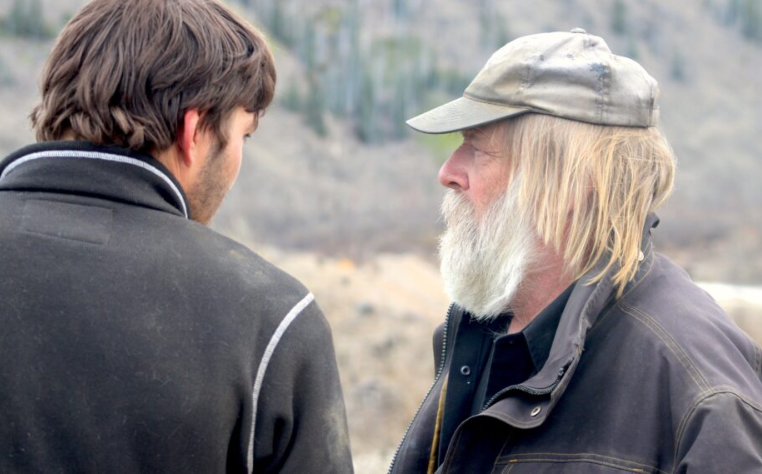
The third path is the one Kevin least wants: accepting help from Tony. That does not necessarily mean failure. In fact, it could be framed as a strategic family partnership rather than a rescue. Tony could provide equipment, advice, or temporary support while still allowing Kevin to remain in control. But emotionally, Kevin would have to accept that independence does not always mean doing everything alone.
My prediction is that Kevin’s Season 16 storyline will build toward that decision. The show is setting up a clear question: will Kevin protect his pride, or will he protect the operation? If the gold totals improve, he may avoid the choice. If they do not, he may have to decide whether survival matters more than proving a point.
Whatever happens, Kevin Beets has become one of the most interesting figures on Gold Rush because his story feels deeply human. He is not simply chasing ounces. He is trying to build a legacy separate from one of the biggest names in Klondike mining. That is why this season matters so much.
Kevin may be behind, in debt, and under pressure, but he is still fighting. Whether he succeeds or not, Season 16 is proving one thing clearly: becoming independent is easy to say, costly to attempt, and brutal to survive.