Family Pressure, Equipment Trouble and the Cost of Control in the Klondike
This stretch of Gold Rush is less about one single gold weigh and more about the pressure that builds when machinery, family tension and financial survival all collide. Across several operations, the same pattern repeats: miners need ground, equipment and time, but every delay exposes deeper weaknesses. For Todd Hoffman, Parker Schnabel, Tony Beets, Monica Beets, Kevin Beets and the Clayton brothers, the season becomes a test of leadership as much as mining.
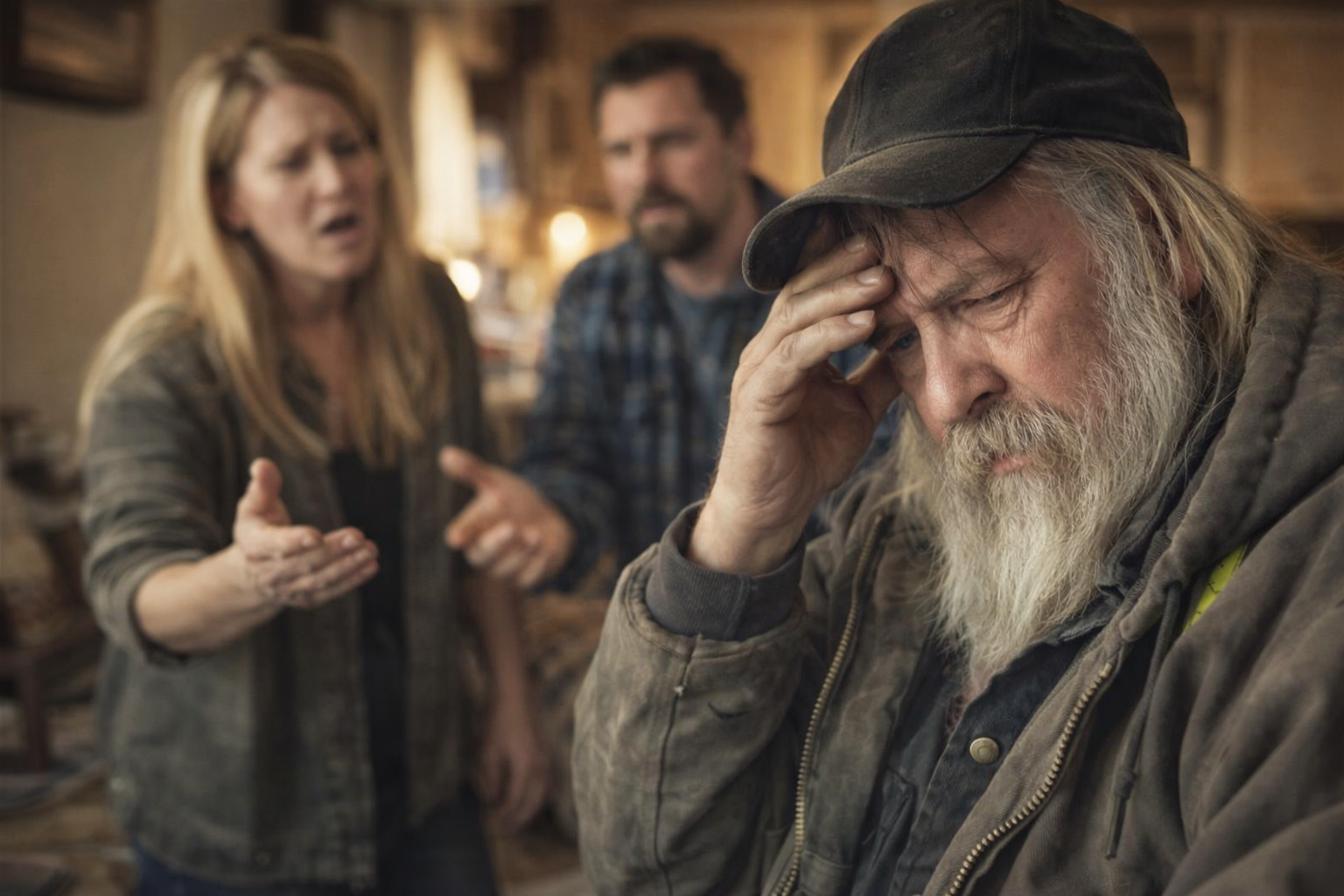
The Hoffman storyline begins with frustration. After losing 23 days of the season, the arrival of the D8 dozer should have been a turning point. Todd needs to clear ground on the west side of Quartz Creek so the wash plant can be moved near virgin pay. With the machine finally on site, the operation should start gaining momentum. Instead, tension erupts almost immediately between Todd and his father Jack.
Jack is eager to run the dozer, but Todd sees wasted motion and poor planning. The ground is not being shaped efficiently, soft holes are not being filled properly, and Todd fears that time is being burned without progress. His frustration boils over, and the argument becomes personal. Jack feels disrespected, especially because he co-owns the machine. Todd feels trapped between family loyalty and the urgency of getting the claim into production.
From an analyst’s view, this is classic Gold Rush: family business sounds powerful until the season tightens and every mistake costs money. Todd’s criticism may be operationally valid, but the way it lands damages morale. Jack leaving the claim shows how quickly a practical dispute can become emotional. If the Hoffmans are going to recover lost time, they need clearer roles. Jack cannot operate simply because he wants to, and Todd cannot afford to let anger replace leadership.
At Scribner Creek, Parker Schnabel faces a different kind of pressure. His parents arrive to help at a moment when gold is coming in slowly and stress is rising. Parker insists the operation is not failing, but he admits that breaking even is not enough. That admission is important. Parker’s success has always depended on scale. When a large operation only breaks even, the stress is enormous because payroll, fuel, repairs and equipment payments continue every day.
Parker’s plan involves a major conveyor system worth around $300,000, designed to replace the work of multiple rock trucks. The strategy is smart: reduce haulage costs, speed up pad construction and create a more efficient mining system. His father immediately sees the potential, recognizing that Parker is developing his own style of mining rather than copying older methods.
But the conveyor suffers a breakdown, with signs of burning rubber and mechanical trouble. It is a small moment compared with the scale of Parker’s operation, but it highlights the risk of innovation. New systems can save money and labour, but they also create new failure points. Parker’s future success will depend not only on choosing better technology, but on making sure his crew can repair and adapt that technology quickly.
Meanwhile, the Beets family is fighting its own battle. Tony’s empire is struggling compared with the previous season, and only Mike has been consistently bringing in gold. Monica’s test at the Hunker Cut becomes critical because the family needs another source of pay. Her two-day run produces 24.30 ounces, roughly an ounce an hour, which is enough to keep the cut open. For Tony, that is not spectacular, but it is workable.
The importance of Monica’s result is strategic. The Hunker Cut may not save the season alone, but it gives the Beets family options. In mining, options are everything. If one plant, one cut or one crew is carrying the entire operation, the season becomes fragile. Monica’s success gives Tony another place to send iron, another way to spread risk, and another chance to rebuild momentum.
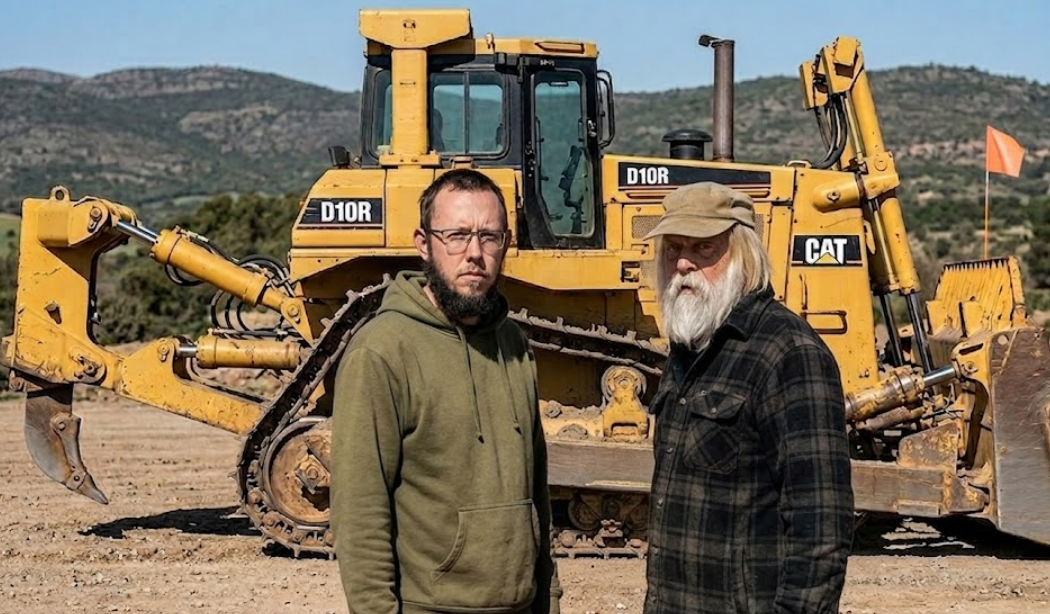
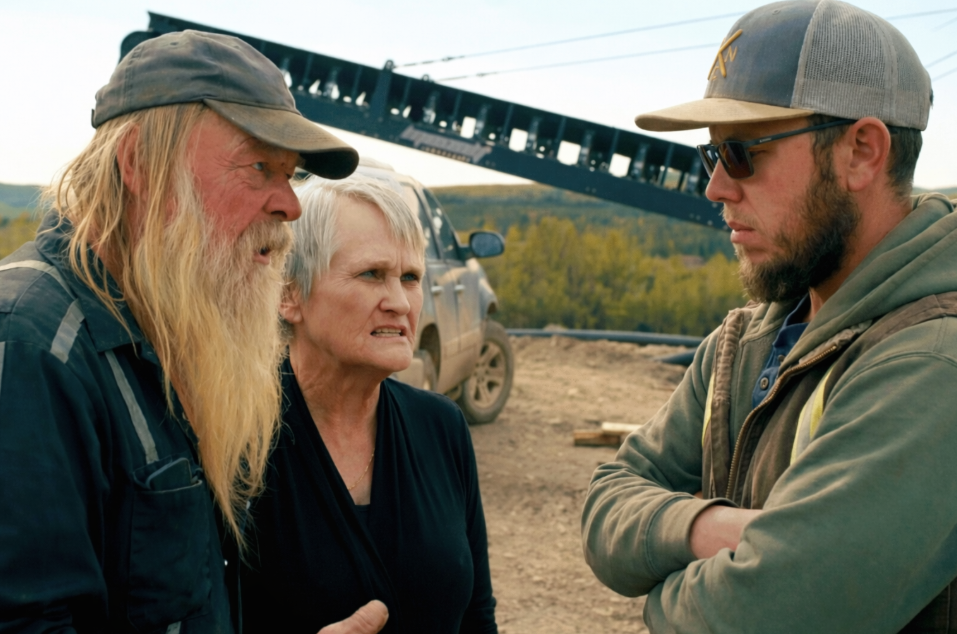
Kevin’s return to Tony’s operation adds the strongest family dynamic. Earlier in the season, Kevin and Faith had stepped away, leaving Tony without his chief mechanic and one of the people most familiar with the trommel setup. When Monica calls them back, the reunion is not simple. Kevin sees immediately that the trommel is not as far along as he expected, and frustration rises as he and Tony clash over how to reinstall and level the distributor box.
This scene reveals one of Tony’s biggest weaknesses: control. He has decades of experience, but his micromanaging can slow down people who also know what they are doing. Kevin is no longer just a helper. He understands the operation deeply, and he wants his judgment respected. Faith’s observation that two adults need to figure it out is accurate. If Tony wants the family operation to run at full strength, he has to let Kevin lead certain tasks without constantly overriding him.
The most interesting Kevin moment comes later, when Tony offers him first chance at a D10R dozer. Kevin negotiates the price down to $425,000 and decides to buy it. This matters because it signals a shift in Kevin’s identity. He is not merely borrowing from Tony or working under him. He is building his own equipment base. For an independent miner, owning reliable iron is a major step toward legitimacy.
Kevin’s caution is also justified. He admits that he did not have the best luck with Tony’s gear the previous year, but the price and condition make the dozer difficult to pass up. My prediction is that this purchase will become an important piece of Kevin’s next chapter. If the machine performs, it gives him ripping power and independence. If it fails, it becomes another financial burden. Either way, it represents Kevin taking responsibility for his own future.
The Clayton brothers’ storyline shows the smaller-scale version of the same pressure. With their path to Golden Acres still uncertain, they prospect an S-bend downstream from their plant. Their logic is sound: gold carried by water often drops where current slows on bends. The pan shows a few flakes, not enough to guarantee success, but enough to justify opening the ground. For a small operation, that is often the reality. They cannot wait for perfect data. They need to test, run and hope the box proves the ground.
Across all these storylines, the episode’s deeper theme is control versus adaptability. Todd needs to control his site without alienating his father. Parker needs to control costs through new systems without being trapped by breakdowns. Tony needs to control his family empire without suffocating Kevin’s competence. Kevin wants control over his own mining future. Monica proves she can control a cut well enough to keep it alive. The Claytons are trying to control their season by finding any pay that can keep the dream moving.
The prediction from here is clear. Parker’s conveyor strategy will become increasingly important as he tries to build efficiency into his operation. Tony’s season will depend on whether Monica’s Hunker Cut and Kevin’s return can create enough production to cover the gaps. Kevin’s dozer purchase will likely push him closer to true independence, but also expose him to more financial risk. The Claytons will need their new ground to produce quickly, because prospecting only matters if it turns into sustained yardage.
In the Klondike, gold is never just found. It is earned through machinery, planning, family pressure and constant correction. This episode proves that the miners who survive are not always the ones with the biggest dreams. They are the ones who can adjust fastest when the ground, the equipment and the people around them stop cooperating.