Tyson Lee Refused to Help Mitch Blaschke – Tension Exploded in Parker’s Crew.
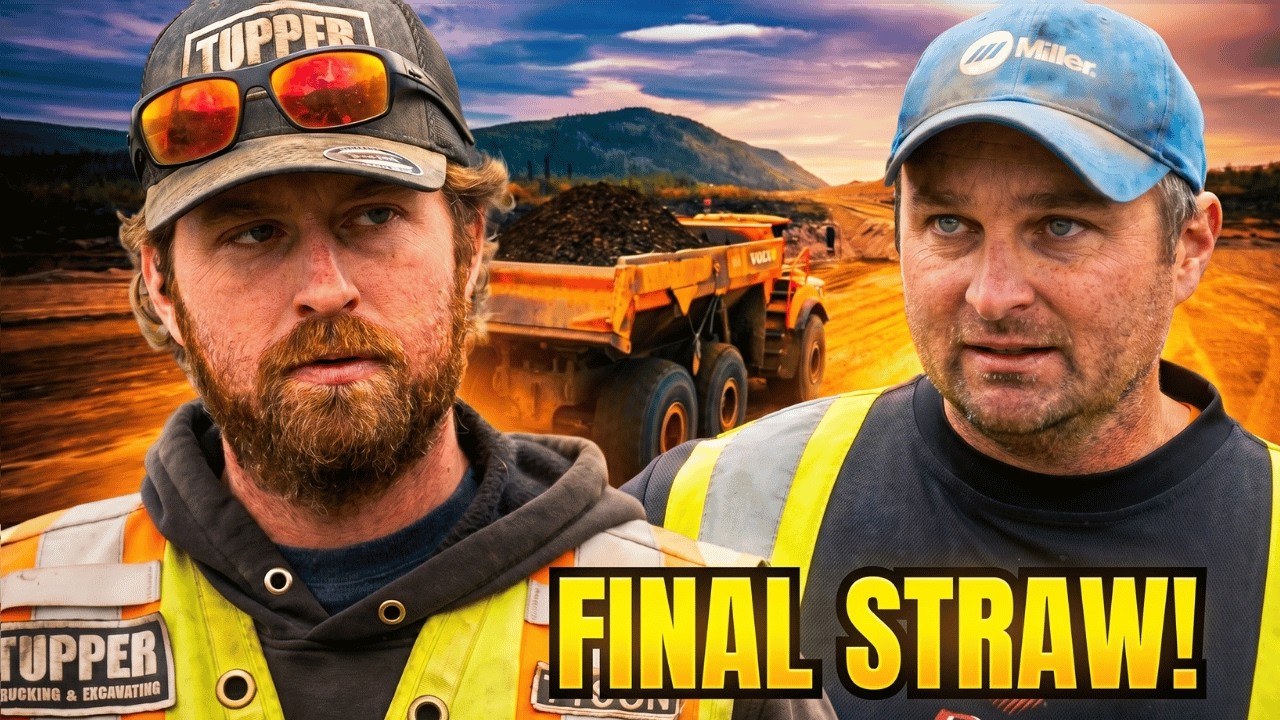
Parker Schnabel’s operation has always been built on pressure, speed and trust. But the latest tension between Tyson Lee and Mitch Blaschke suggests that this season of Gold Rush may be exposing a deeper problem inside one of the most ambitious mining teams in the Yukon.
On the surface, the issue looked simple. Mitch needed help. Tyson said no. But in the world of Parker’s mining operation, that refusal may reveal far more than a single disagreement between two foremen.
The incident began at the Roxanne Cut, where Mitch and his crew were already fighting a difficult battle. The ground was not delivering easy gold, meaning the entire site depended on moving huge volumes of pay dirt. Every truckload mattered. Every delay threatened production. In that kind of operation, the rock trucks are not just support machines. They are the bloodstream of the cut.
When one of those trucks slid into a ditch and suffered major damage, Mitch’s position immediately became dangerous. The truck was saved from a full rollover, but the machine could not safely return to work. Suspension and axle-support damage meant repairs would take time, and time was the one thing Parker’s crew did not have.
With only two rock trucks available at Roxanne, losing one instantly cut hauling capacity in half. That put the wash plant at risk of starving for material. If the plant slowed or stopped, Parker’s push toward a massive season total would lose momentum at exactly the wrong time.
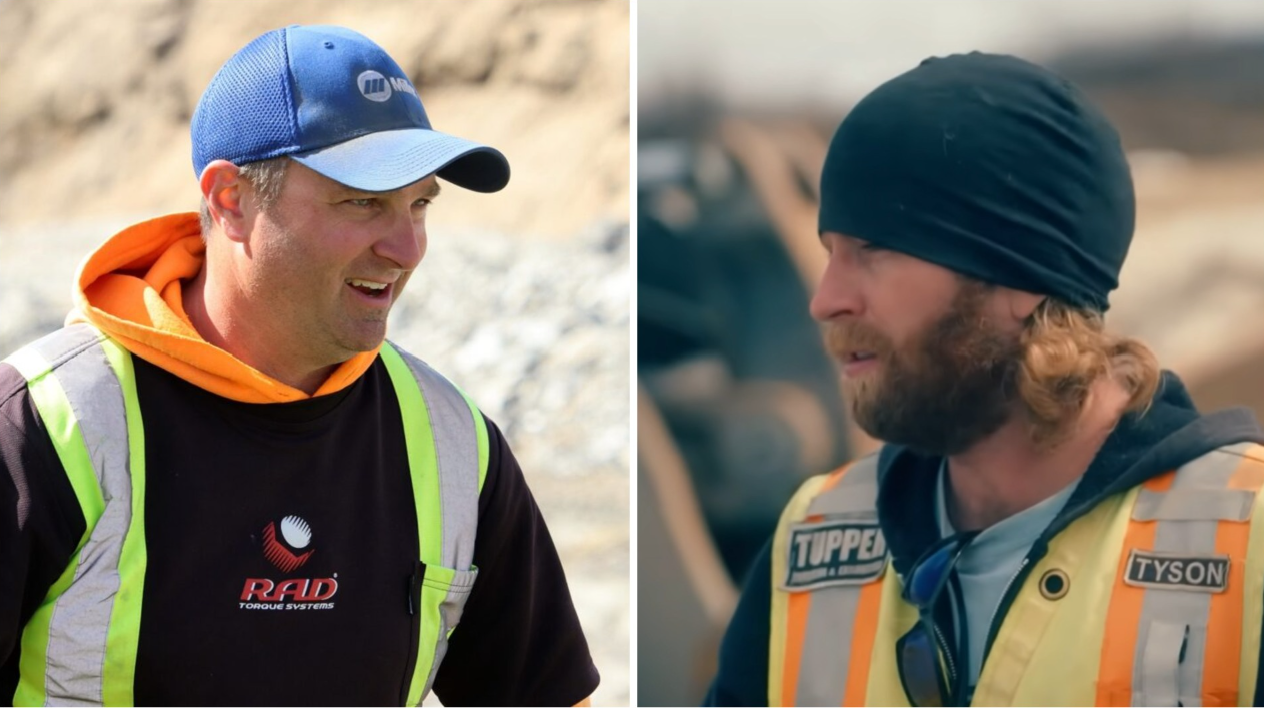
Mitch’s only realistic move was to ask another part of Parker’s operation for help. That led him to Tyson Lee.
Tyson’s response was firm. He refused to give up a truck because his own site was already stretched to its limit. From a management point of view, the decision made sense. Tyson was running several active parts of the operation, and every machine under his control had a job. Giving one truck to Mitch could damage his own production, slow his crews and create another problem elsewhere.
But from Mitch’s side, the refusal would have felt brutal. He was not asking for comfort. He was trying to keep a wash plant alive. In a season where Parker’s operation depends on multiple sites working together, being told there was no equipment to spare exposed how thin the whole system had become.
This is where the moment becomes important for Gold Rush viewers. The refusal was not only about one truck. It showed that Parker’s operation may have expanded to the point where every crew is now fighting for survival on its own.
Earlier in the season, Parker’s scale looked like a strength. More cuts, more wash plants, more dirt and more gold potential. But a bigger operation also means greater vulnerability. Each site needs trucks, loaders, mechanics, fuel, spare parts and experienced operators. When everything is working, the results can be enormous. When one piece fails, the pressure spreads quickly.
Tyson’s refusal suggests that the safety margin has disappeared. There are no backup trucks. No easy equipment swaps. No spare capacity waiting in the yard. Every machine is already committed, and every foreman is forced to protect his own production first.
From an analyst’s perspective, this could become one of the defining themes of the season. Parker has spent years building bigger and faster operations, but Gold Rush may now be showing the cost of that ambition. The question is no longer whether Parker can find enough gold. The question is whether his system can survive the pace required to reach it.
The moment also changes how viewers may see the leadership structure inside Parker’s crew.
For years, Mitch Blaschke has been one of Parker’s most trusted figures. He is calm, technically skilled and often the person who keeps the machines alive when the operation begins to crack. Fans see him as a practical leader, someone who does not need to be loud to be essential.
Tyson Lee, however, has been rising quickly. This season, he appears to be carrying more responsibility, managing more moving parts and becoming a more visible leader inside Parker’s organisation. That naturally creates comparison. Is Tyson being positioned as Parker’s next major foreman? Is Mitch still the central problem-solver? Or is Parker’s operation now too large for one trusted right-hand man to carry?
The refusal to help Mitch feeds directly into that discussion. It did not show open hostility, but it did show divided priorities. Mitch needed cooperation. Tyson chose protection. Both men were doing what their roles required, but the result created tension.
That is why the next episodes could be especially revealing. Parker may have to step in and decide how his foremen should share resources when the season tightens. If he allows each site to operate independently, production may stay organised, but crews could become isolated. If he forces equipment sharing, one problem area might be saved while another falls behind.
There is also a personal side. Mitch may not forget that Tyson refused him during a critical moment. Tyson may feel he made the only responsible decision. That kind of unresolved pressure can quietly shape future calls, especially when more breakdowns happen.
The likely development is not a full split inside the crew, but a sharper chain of command. Parker may need to make clearer decisions about which sites get priority, which wash plants matter most and which foreman has authority when resources are limited.
If Roxanne continues to struggle, Mitch could face more frustration and more scrutiny. If Tyson’s area keeps producing, his influence may grow even further. But if Tyson’s refusal helps his own site while Roxanne loses momentum, fans will continue debating whether he protected the operation or left Mitch exposed.
In the end, this storyline is compelling because it feels realistic. Mining pressure does not always create loud arguments. Sometimes it appears in one quiet refusal, one unavailable truck and one foreman forced to solve a problem alone.
For Parker Schnabel, the final stretch of the season may depend on more than gold-rich ground. It may depend on whether Mitch, Tyson and the rest of the crew can remain united when there is no spare equipment left and every decision carries a cost.