Huge prize money: Tony Beets’ team receives massive prize money after season 16 concludes.

As season 16 of Gold Rush wrapped up, fans were treated not only to the usual tension, strategy, and unexpected twists of Klondike mining but also to a remarkable revelation: Tony Beets and his team walked away with a truly massive prize at the season’s conclusion. For veteran miners, this payout underscores not only the rewards of persistence in the Yukon but also the strategic edge Tony has honed over decades of experience.
Tony Beets, widely regarded as one of the most formidable figures in the Gold Rush franchise, has long exemplified the intersection of skill, risk management, and shrewd business acumen. While younger miners like Parker Schnabel often dominate headlines with record-breaking gold hauls, Tony’s reputation has always rested on his meticulous planning, ability to navigate operational challenges, and unparalleled expertise with heavy machinery. Season 16 was no exception. From the early days of cutting into the Paradise Hill claim to navigating the treacherous terrain of Blue Cut and Cold Cut, Beets’ team consistently demonstrated both resilience and strategic foresight.
The financial impact of this season’s results is significant. While exact figures remain confidential, insiders suggest that the prize money awarded to Tony and his crew could surpass previous highs by a substantial margin, reflecting both the volume of gold recovered and the efficiency of his operation. In practical terms, this windfall provides multiple advantages: reinvestment into equipment upgrades, expansion of claims, and a strengthened ability to attract and retain experienced crew members. For Tony, whose operations involve massive excavators, wash plants, and an intricate network of sluices, these funds are as much an investment in operational stability as they are a personal reward.
Season 16 was marked by several operational hurdles that tested even Beets’ considerable skills. Mechanical breakdowns, weather delays, and logistical challenges, including navigating snow-covered terrain and coordinating large-scale soil removal, created a constant need for adaptability. Yet it was precisely Tony’s experience that allowed the team to overcome these obstacles. Observers noted how Beets’ calm command and hands-on leadership kept morale high, while also allowing strategic decisions—such as relocating machinery or adjusting sluicing schedules—to maximize gold recovery. These decisions, often invisible to the casual viewer, translated directly into higher yields and, ultimately, a larger prize pool.
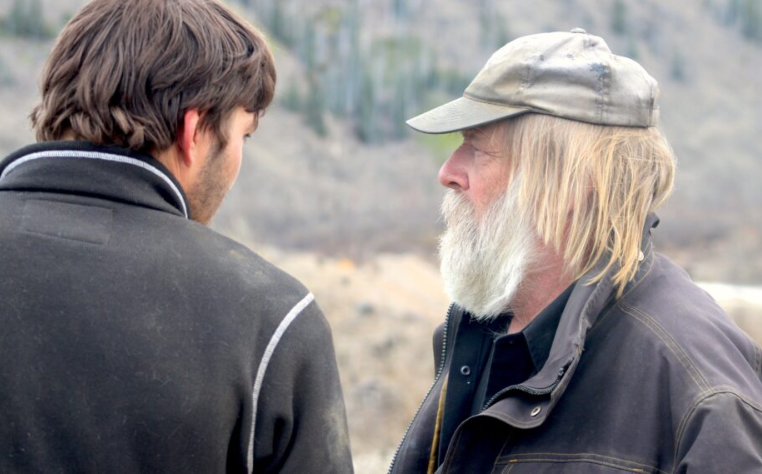
The payout also has broader implications for the Yukon mining scene. Tony Beets’ success serves as both a blueprint and a benchmark for other miners. Aspiring claim holders and rival operations, such as Parker Schnabel’s team, can observe the careful balance Tony strikes between aggressive gold recovery and sustainable operations. In particular, Beets’ focus on efficiency—optimizing crew deployment, machinery use, and claim management—demonstrates the financial advantage of meticulous planning over purely opportunistic gold extraction. Analysts predict that his season 16 success may lead to increased competition in claims management, as miners recognize the long-term benefits of strategic investment alongside physical labor.
Additionally, the windfall strengthens Tony’s position within the Gold Rush franchise itself. Television exposure amplifies the effect of prize money beyond the raw figures, offering opportunities for sponsorships, partnerships, and ancillary ventures related to mining equipment or local operations. Season 16’s finale highlighted not just Beets’ skill but also his persona as a steadfast, strategic leader capable of balancing high-risk mining with operational precision—a combination that resonates with audiences and industry insiders alike.
Looking ahead to season 17, there are several developments fans can anticipate. First, the prize money is likely to allow Tony to expand operations into less explored sections of the Klondike, potentially uncovering new veins of gold that could shift the competitive balance. His team may also integrate advanced machinery or adopt innovative sluicing techniques, leveraging the financial cushion of their season 16 earnings. Moreover, the success may attract skilled operators from rival teams or independent miners seeking to gain experience under Beets’ leadership, creating a larger, more specialized workforce.

Season 16’s conclusion also sets up an interesting narrative dynamic for Parker Schnabel and other miners. While Beets’ windfall emphasizes his dominance in operational strategy and risk management, Schnabel’s focus on rapid, high-volume extraction creates a natural tension for viewers and analysts alike. Will Parker adapt to Tony’s strategic approach in the upcoming season, or will he double down on speed and ambition to reclaim his edge? This contrast promises to be a central storyline, with Beets’ recent success raising the bar for performance expectations.
Finally, the human element cannot be overlooked. The prize money reflects not just gold recovered but the collective effort of a tightly knit crew working in extreme conditions. From navigating equipment failures to enduring harsh Yukon weather, the crew’s resilience is a critical factor in Beets’ sustained success. Analysts note that teams capable of combining technical skill, endurance, and cohesion—hallmarks of Tony’s operation—are increasingly positioned to outperform rivals in both yield and financial outcome.
In conclusion, Tony Beets’ massive prize money in season 16 is far more than a celebratory windfall. It is a testament to decades of experience, strategic decision-making, and the effective integration of human and mechanical resources. As season 17 approaches, Beets’ team is likely to leverage this financial advantage to expand operations, integrate new technologies, and maintain its competitive edge. For viewers, the payout adds a layer of intrigue: will the windfall propel Tony to new heights, or will rival miners find ways to close the gap? One thing is certain: the Klondike remains a landscape where strategy, perseverance, and foresight are as valuable as the gold beneath the ground.