Tony Beets lost millions of dollars when his gold mining operation was suspended!
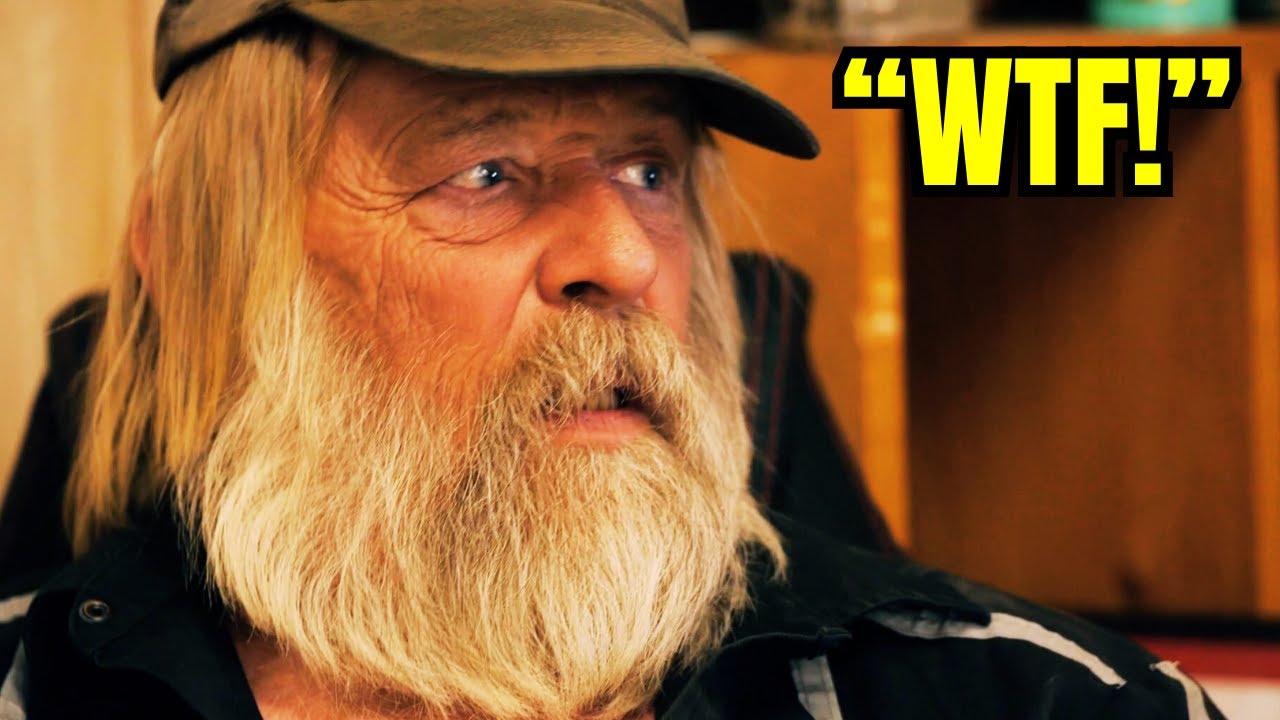
The rugged terrain of the Klondike once again became the stage for one of the most intense seasons of Gold Rush, with veteran miner Tony Beets leading a high-stakes, large-scale operation that showcased both the complexity and the rewards of gold mining in this harsh environment. The 2026 season offered fans an intimate look at Tony’s strategic thinking, hands-on leadership, and relentless pursuit of gold, illustrating why he remains one of the most respected figures in the Yukon.
Tony began the season with an ambitious target: extracting 5,000 ounces of gold from Paradise Hill. With gold prices at historic highs, the potential rewards were enormous, and Tony approached the task with a calculated mix of strategic planning and operational foresight. After successfully working through the more accessible paid dirt, he turned his attention to the challenging terrains of cold cut and blue cut. The first yield of 650 ounces hinted at the riches hidden beneath the surface, but the real challenge lay in the terrain, machinery demands, and logistical complexity that define large-scale mining in the Klondike.
The season’s narrative was punctuated by a series of operational challenges that tested both the crew and Tony’s leadership. Equipment issues, such as a malfunctioning 25-ton Kiwi wash plant and broken chains, slowed progress, while environmental factors like snow and riverbank instability constantly threatened the flow of operations. In response, Tony and his team relied on innovative problem-solving, close coordination, and adaptability. The installation of a new 11-ton mega pump marked a pivotal moment in the season, though delays required quick thinking and immediate adjustments to keep the operation on track. Each challenge reinforced the complexity of modern gold mining, where every decision—whether about equipment, manpower, or timing—can significantly impact outcomes.
Teamwork emerged as a central theme throughout the season. From experienced miners like Monica and Kevin to new crew members such as Peter, every team member played a crucial role in navigating the unpredictable conditions of the Yukon. Tony’s hands-on leadership ensured that the team remained focused and cohesive, balancing delegation with direct oversight. The crew’s efforts were particularly highlighted during the overburden removal at the cluster cut, where Parker Schnabel’s team had to navigate shared claim boundaries. When Parker’s excavator encroached on Tony’s land to move soil efficiently, Tony initially faced frustration but ultimately chose cooperation, prioritizing operational success over territorial disputes. This decision demonstrated both his strategic thinking and commitment to long-term collaboration in the often tense mining landscape.
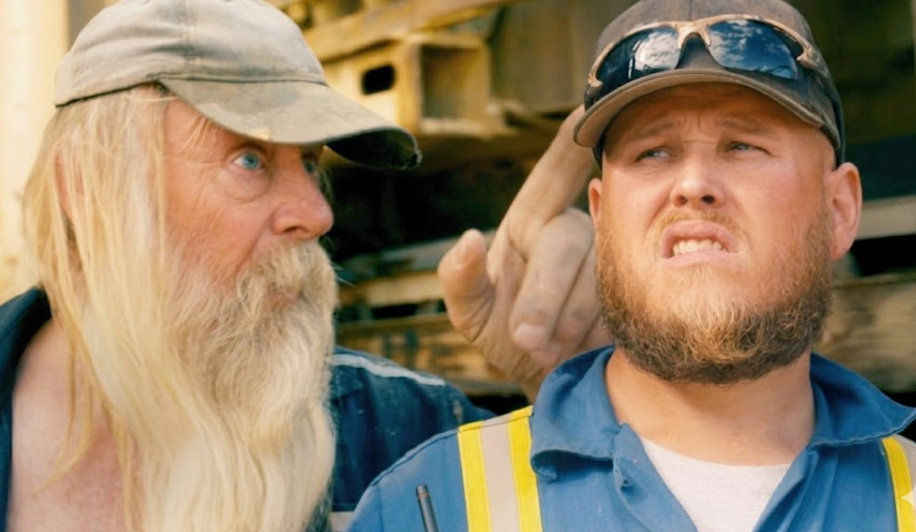
Despite these operational hurdles, Tony’s persistence yielded impressive results. The Paradise Hill crew recovered 299.92 ounces from the final pour, contributing to a season total exceeding 3,000 ounces. While falling short of the initial 5,000-ounce goal, the results reflect the realities of mining in the Yukon: success is measured not just by gold output but by the ability to adapt to constant environmental, mechanical, and logistical pressures. Analysts note that Tony’s focus on meticulous planning, safety, and teamwork was instrumental in achieving these results, emphasizing that effective leadership is as important as mining expertise in such a demanding context.
The season also showcased the delicate interplay of rivalry and cooperation among Klondike miners. Shared water licenses and overlapping claims required negotiation and flexibility, highlighting the broader operational landscape in which Tony operates. His decision to allow temporary soil transfer from Parker’s team, despite initial displeasure, exemplified strategic foresight: maintaining goodwill while achieving production goals. These moments demonstrate that successful mining depends as much on human relations as on machinery or geological knowledge.
Financial implications were another recurring challenge. The early-season mechanical outage, resulting in an estimated $200,000 loss in potential gold, underscored the risks inherent in large-scale operations. Tony’s ability to recover from setbacks, recalibrate strategies, and maximize output despite these disruptions reinforced his reputation as a resilient and savvy operator. Observers note that the combination of financial acumen and technical expertise is what enables Tony to sustain one of the largest mining operations in the Klondike, year after year.
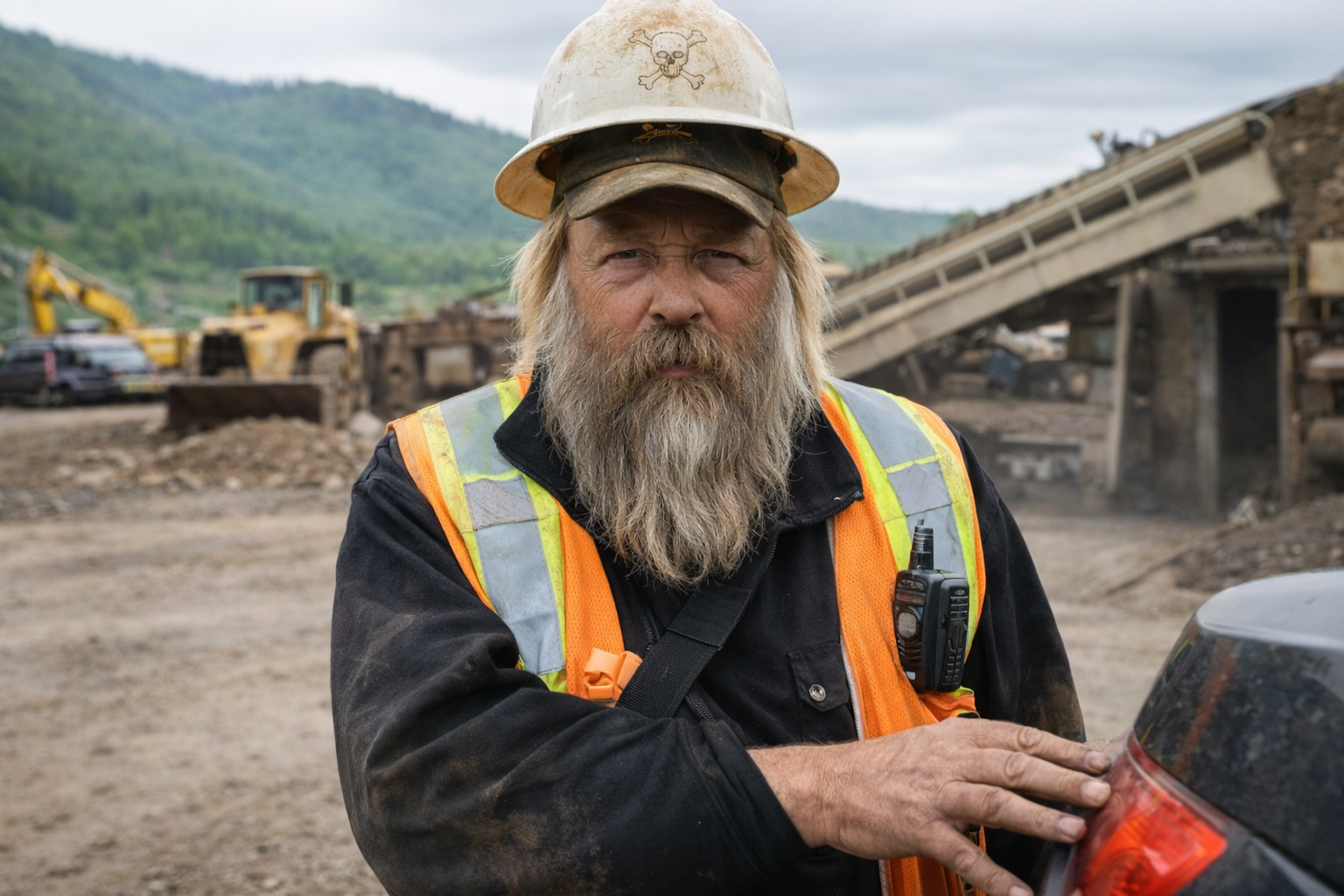
Looking ahead, the 2026 season positions Tony Beets for continued success. The lessons learned at Paradise Hill, cold cut, and blue cut suggest that future operations will likely focus on expanding equipment capabilities, refining crew coordination, and exploring new claims to maintain and enhance output. Tony’s leadership style—combining practical experience, foresight, and hands-on engagement—remains a model for large-scale mining operations facing the unpredictable conditions of the Yukon.
Ultimately, this season of Gold Rush offered viewers more than just gold totals and machinery breakdowns. It provided a window into the human element behind mining: decision-making under pressure, collaboration in the face of obstacles, and the relentless drive required to thrive in one of the world’s most challenging environments. Tony Beets’ 2026 campaign exemplifies the combination of skill, resilience, and leadership necessary to navigate the complexities of modern gold mining, and it sets the stage for future seasons of adventure, challenge, and discovery in the Klondike.