Rick Ness’s $700,000 Deal Faces Reality Check After Dismal First Gold Clean-Up

The mechanical roar of a mining plant finally firing up is supposed to sound like money. For veteran Yukon gold miner Rick Ness, the first bucket of the 2025 season running through his newly acquired wash plant, “Rocky,” was supposed to be the overture to a triumphant 1,800-ounce comeback campaign. Instead, the opening week at Lightning Creek has delivered a bruising lesson in the volatile mechanics of placer mining.
Facing a strict five-month operational window, Ness’s crew was hit early by critical equipment failures, followed by a devastatingly low first gold weigh-in that has left the team questioning the viability of their entire $700,000 operation.
A High-Pressure Shutdown
The week began with hard-fought optimism as the crew spun the plant up, aiming to push a steady 120 cubic yards of pay dirt per hour. The celebratory mood was short-lived, however, when plant operators noticed a dangerous volume of water and material cascading violently over the side of the sluice boxes—threatening to wash fine gold straight into the tailings pile.
A immediate inspection revealed that small rocks sucked up from the nearby creek pump had completely choked the shaker deck’s spray bar nozzles. With the water pressure severely bottlenecked, the system back-fed, causing the pre-wash sprayers to blast unchecked and blow valuable material out of the recovery system.
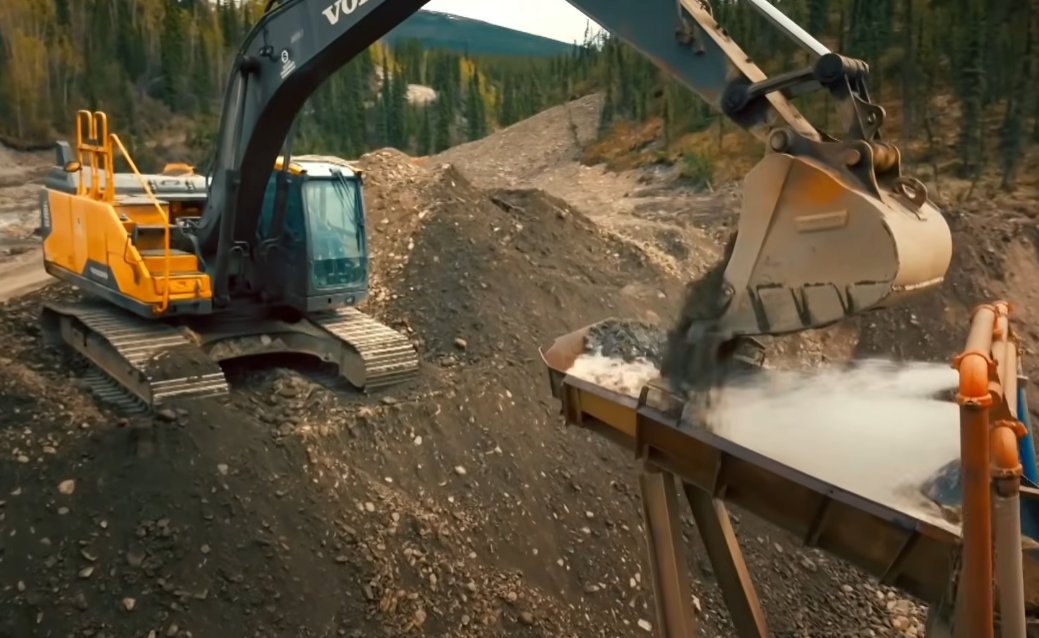
“Downtime is kicking our ass,” lamented crew member Ryan, who managed to perform a 30-minute field modification by physically widening the nozzle tips to allow the debris to pass through. While the quick engineering fix successfully stabilized the water pressure and got “Rocky” back online, the lost momentum proved to be an ominous sign for what lay buried in the ground.
The $25,000 Disappointment
After four continuous days of churning through hundreds of yards of raw Yukon earth, the crew gathered around the scales for the season’s inaugural clean-up. The mood turned icy as the final tally registered a meager 12.35 ounces of gold, valued at roughly $25,000.
For an operation of this scale, averaging fewer than three ounces of gold a day is a financial disaster. The meager haul fails to cover basic overhead, let alone fuel, equipment maintenance, or crew wages.
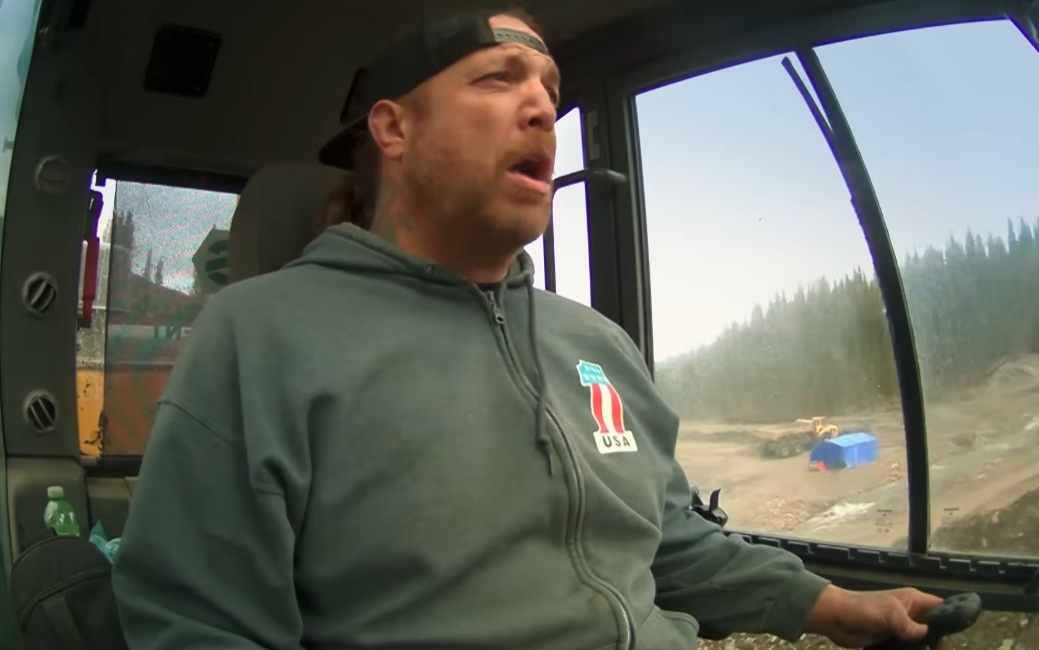
“That’s a big waste of time right there,” a visibly frustrated Ness admitted, staring at the minor pile of gold. “It doesn’t even start the list of things that it has to pay for.”
The disappointing yield has sent shockwaves through the tight-knit crew, some of whom have tied their personal financial survival to Ness’s high-stakes gamble on the Lightning Creek claims.
A 100-Claim Lifeline
Despite the grim start and rising mutiny in the ranks, Ness remains defiant, refusing to let the slow start break his season. The veteran miner maintains that the poor showing is a failure of prospecting geography rather than a lack of gold on the property.
“That was obviously the wrong spot to start, but we can move on from that,” Ness stated, pointing out that his operation holds lease rights to over 100 unexplored claims across the bench. As the crew prepares to pack up the heavy machinery and relocate “Rocky” to unproven ground, the clock is officially ticking. In the Yukon, the frost waits for no one, and Ness has just used up his first life.