Risking It All for 1,800 Ounces of Gold: Rick Ness Faces a Make-or-Break Turning Point!
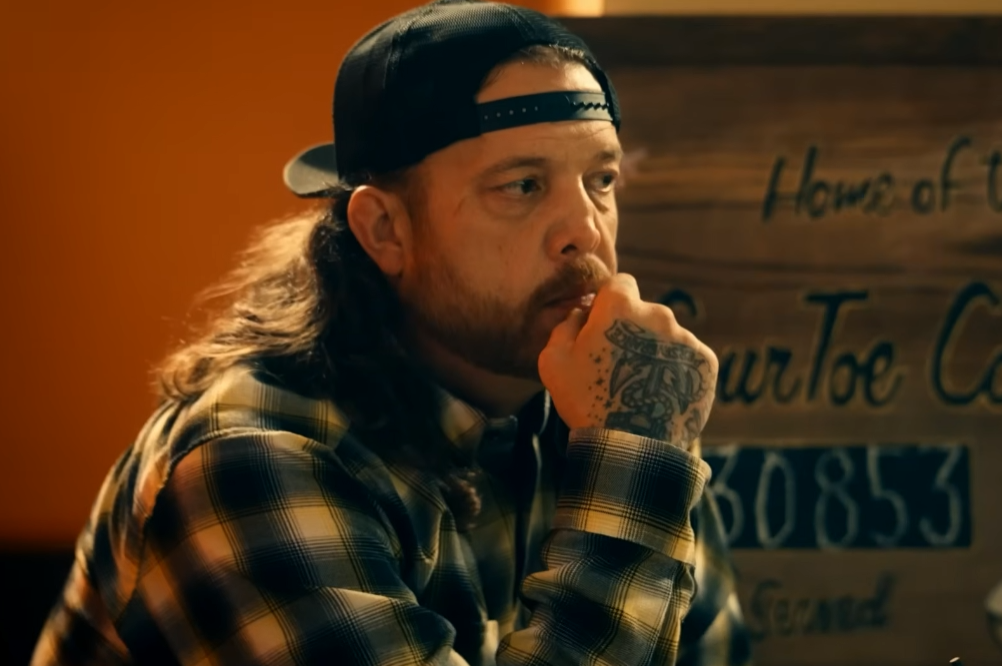
Rick Ness’s latest Gold Rush season has been a roller‑coaster of dramatic decisions, impossible expectations, and relentless pursuit of gold. In a recent episode, Rick stakes everything he has on hitting an audacious target: 1,800 ounces of gold. With pressure mounting and time slipping away, the stakes have never been higher — and the risk has never been more real.
Here’s a detailed look at how Rick’s bold strategy unfolded, why it matters, and what it reveals about life in the high‑risk world of commercial gold mining.
The Big Target: 1,800 Ounces — Why It Matters
From the start of the season, Rick Ness publicly committed to an aggressive goal: reach 1,800 ounces of gold before the mining season ends. For many miners on Gold Rush, hitting even a fraction of that total would be a success.
But Rick wanted big. His previous seasons saw ups and downs — big hauls tempered by costly setbacks. This year, he wanted a breakthrough.
Why 1,800 ounces? It’s a number that can genuinely shift a season from break‑even to profitability. At gold market prices, 1,800 ounces represents a significant payout that can cover operating costs, crew expenses, equipment maintenance, and leave room for reinvestment into future projects.
But that number also brings pressure. For Rick and his team, it means working harder, mining smarter, and pushing equipment and crew to the edge.
Setting Up the Hunt: Preparation Meets Pressure

Rick’s strategy wasn’t haphazard. Early in the season, he focused resources on a high‑potential hillside cut known for rich pay dirt. The plan was straightforward: blast through rock and soil to reach the buried gravel underneath, then run it through wash plants and processing units.
To do this, Rick made critical operational choices:
- Deploy massive heavy equipment — excavators, bulldozers, and a fleet of haul trucks working in tight coordination.
- Invest early, invest big — rush crews into deep ground without waiting for perfect conditions.
- Run round‑the‑clock operations — daylight and darkness become irrelevant when every hour counts toward ounces.
But this strategy came with significant downside risk. Operating heavy machinery without perfect ground conditions increases wear and tear, breakdowns, fuel usage, and maintenance costs. It also demands more from the crew — both physically and emotionally.
Every decision Rick made tried to balance the urgency of the 1,800‑ounce goal with the practical realities of mining in remote and harsh terrain.
Rising Challenges: Equipment, Weather, and Unpredictable Ground
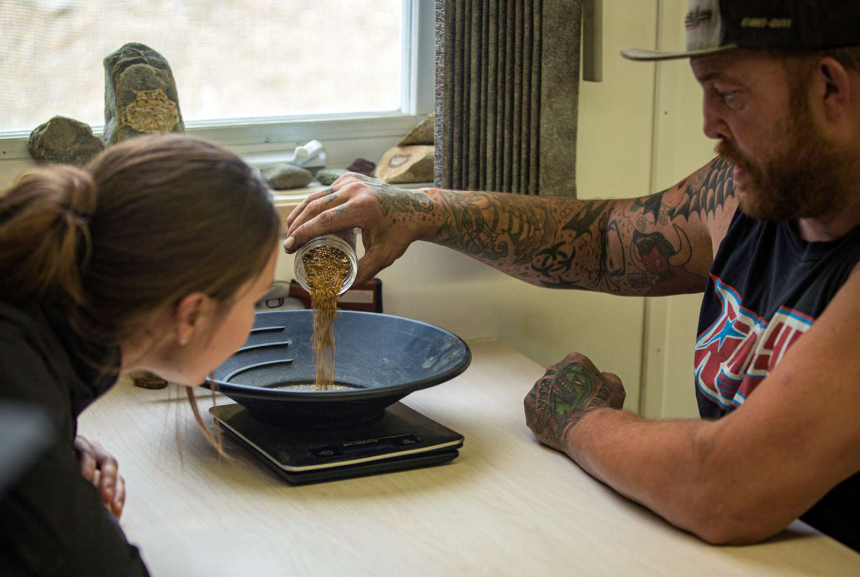
As the team pushed forward, three major challenges emerged:
- Mechanical Strain
Heavy equipment started to show signs of stress. Hydraulic failures, track issues, and engine complications began slowing progress. Every minute spent in repairs was a minute not spent mining. - Weather Interruptions
The Yukon’s weather is notoriously unpredictable. Sudden rain and washouts forced shutdowns, making work dangerous and washing away key access points. - Ground Conditions
Not all pay dirt is equal. Some of the richest gravel pockets proved elusive, buried under rock or uneven layers that slowed excavation. Even when processing units ran, the gold yield fluctuated — sometimes dramatically lower than hoped.
Despite these issues, Rick refused to pull back. He kept the pressure high, constantly evaluating whether to push forward or pull resources to greener ground.
A Turning Point: When Goals Become Reality — or Risk Everything
Mid‑season brought a pivotal moment. Rick’s team hit a seam of dirt that showed promise, with heavier gold specks seen in preliminary testing. Scores of gold pieces in sluice boxes hinted that the 1,800‑ounce mark might still be within reach.
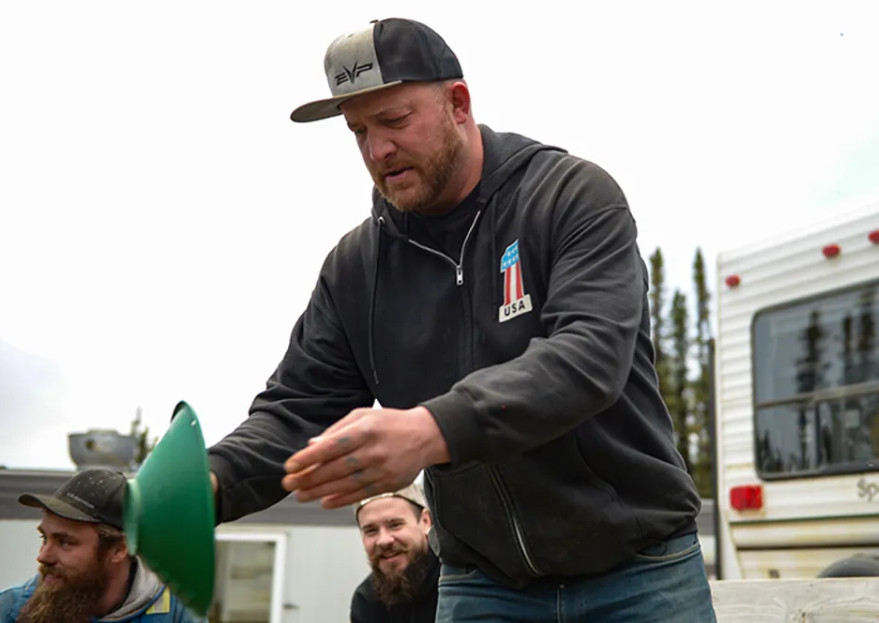
But the promising area was volatile, tricky to access, and required heavy excavation that risked equipment damage and safety.
Rick had a choice:
- Take a conservative approach — consolidate gains, secure the gold already mined, and protect the season.
- Go all‑in — push the crew and machines into a tough cut that could either yield massive gold or leave them empty‑handed and wounded.
Rick chose the second path.
Final Push: Consequences Yet Unfolding
By the episode’s end, the team is neck‑deep in a high‑risk cut, machinery buzzing, crews working every hour available, and tensions high. The gold production is improving — but the clock is not. With only weeks left in the season, Rick’s gamble has put him right on the edge of success and failure.
Whether he hits the 1,800‑ounce goal remains uncertain. What’s clear is that Rick Ness’s bold choices epitomize the core of Gold Rush — ambition, risk, and the relentless pursuit of gold in a world that refuses to give up its treasures easily.
In mining — like in life — big goals require big risks. And as this season shows, sometimes the biggest risk is believing you can beat the mountain at its own game.