Tony Beets Hits $100M Gold Jackpot in Collapsed Yukon Shaft!
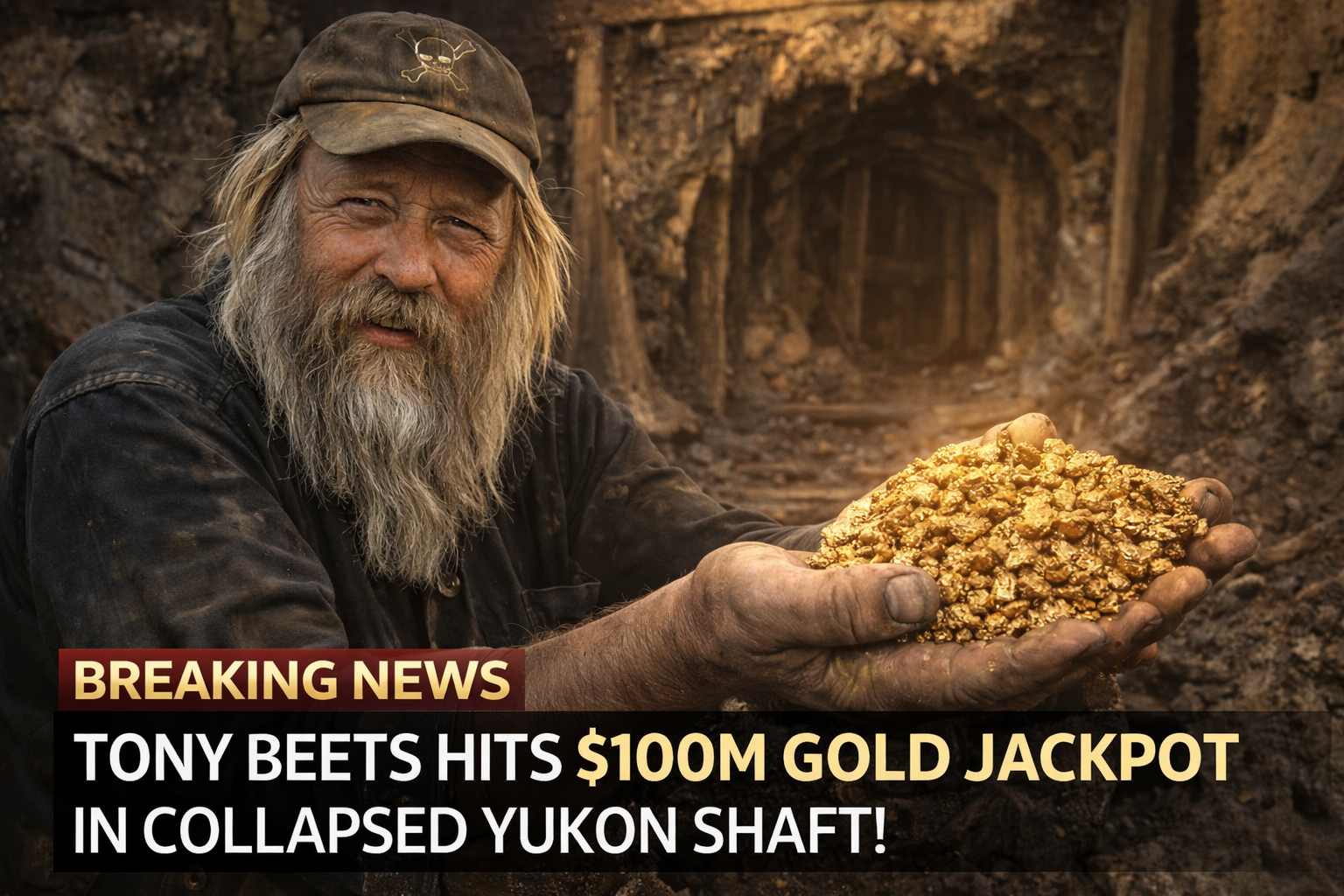
Tony Beets and Parker Schnabel are once again shaping one of the most closely watched rivalries on Gold Rush, as both miners face different but equally demanding challenges in the Yukon.
For Beets, the season has become a test of recovery and reinvention. For Schnabel, it is about proving that a major expansion can deliver results quickly enough to justify the pressure. Together, their stories show why mining in the Klondike is never only about finding rich ground. It is also about machinery, timing, leadership and the ability to keep moving when everything begins to go wrong.
Beets, long known as the King of the Klondike, entered the season facing a serious equipment crisis. His operation had relied heavily on the Viking dredge, a huge old machine that had become a symbol of his belief in old-school mining power. But after the dredge was damaged by fire, Beets was forced to consider whether repairing it would cost too much time and money.
With the short Yukon season already working against him, Beets needed another answer. His crew eventually found one deep in the wilderness at Moose Creek: an abandoned mobile trommel known as the TRL. The machine had been built decades earlier, used for only one season, and then left behind to rust.
To many miners, it might have looked like scrap. To Beets, it looked like possibility.
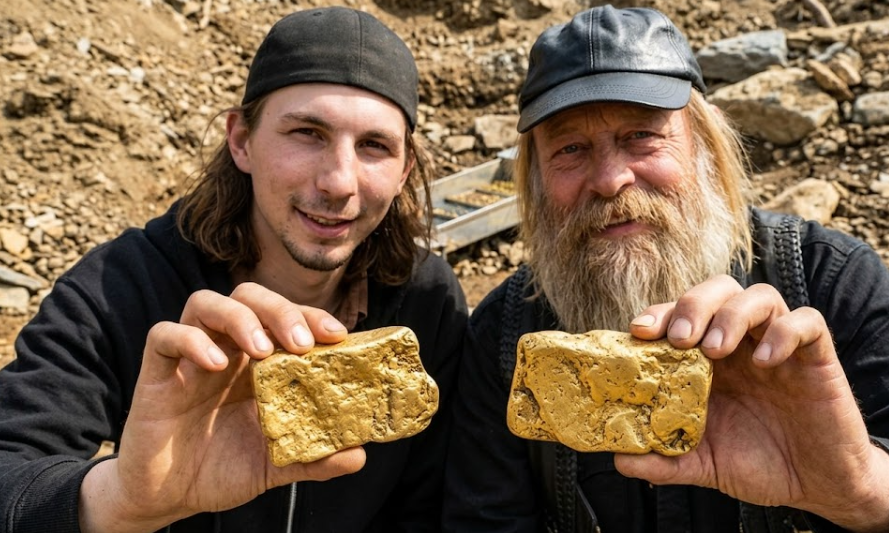
The mobile trommel weighed around 35 tons and needed extensive repairs before it could become useful again. Even so, Beets agreed to spend more than $400,000 to secure it. The decision reflected the kind of thinking that has defined his career. He is willing to back heavy machinery if he believes it can keep gold moving through the plant.
The first challenge was not the repair work, but the journey. Moving the trommel from Moose Creek to Beets’ camp meant dismantling the machine piece by piece and transporting it through difficult terrain. His son Mike Beets was given responsibility for the operation, which included removing the conveyor, sluice box and massive drum.
The route created immediate problems. Trucks had to handle heavy loads over rough ground, and one crossing involved a ferry that was barely suitable for the size of the equipment. If the load could not be moved across, the crew faced a far longer detour to reach the nearest bridge. The journey became a reminder that in the Yukon, simply moving a machine can become a major operation of its own.
Once the trommel arrived at camp, the next race began. Winter was approaching, and freezing ground can quickly end any chance of meaningful mining. Beets’ mechanics inspected the old machine, replacing worn belts, rusted parts and damaged components. The work was slow, dirty and precise. A rushed repair could bring the whole operation down again.
After weeks of effort, the first test finally came. The engine started, the drum turned, and the crew fed pay dirt into the trommel. When the machine began separating material successfully, it marked an important lift for Beets’ season. The TRL was no longer just a rusty relic. It had become part of his plan to protect production.
The benefit of the machine was its mobility. Unlike a stationary dredge, the trommel could be moved more easily between mining areas, giving Beets flexibility as ground conditions changed. With excavators and loaders feeding it steadily, the operation began to look more stable.
But stability never lasts long in the Yukon. The trommel’s drum later developed a grinding noise, forcing the crew to shut down and investigate. Mechanics found that a faulty bearing had caused the drum to misalign. With time running out, Beets made another expensive decision: replacement parts would be flown in by helicopter to reduce delays.
The repair showed both the strength and weakness of Beets’ approach. Old machines can deliver huge value, but they demand constant attention. Every hour lost to a breakdown affects production, and every major repair adds pressure to the season’s final total.
While Beets fought to keep the trommel running, Parker Schnabel was dealing with pressure of a different kind. His focus remained on Dominion Creek, a major claim that represents one of the boldest moves of his mining career.
Schnabel’s plan is clear: build a long-term operation capable of producing major returns. But buying into new ground comes with heavy costs, and the pressure to see early results is immediate. His crew began working a new area nicknamed the Money Pit, hauling pay dirt to the wash plant and hoping the ground would prove its value.
The start was not smooth. Schnabel had hoped to ease some financial pressure by selling surplus equipment, but that plan did not bring in enough to fully calm concerns. Then, just as the wash plant began to operate, a water-pressure problem brought production to a halt.
The crew discovered a fractured intake hose had created an air lock in the system. Mechanic Liam managed a temporary repair with silicone, allowing the plant to resume work. It was not a perfect solution, but it kept the season moving.
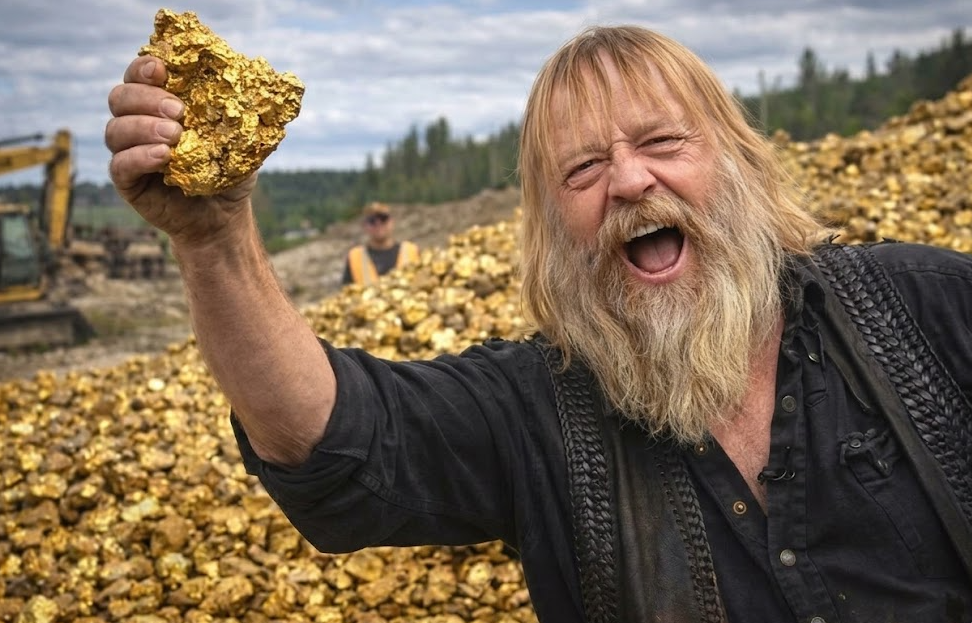
Early results from Dominion Creek were promising, though not yet enough to remove the pressure. The ground reportedly produced around 1.3 ounces of gold per hour, a useful start but still short of the kind of pace Schnabel needs to meet his largest targets.
The contrast between Beets and Schnabel remains central to the show. Beets relies on experience, heavy equipment and a belief that old machines can still power modern success. Schnabel represents expansion, scale and a willingness to build for the future, even when the early road is difficult.
Both miners are chasing gold, but they are also defending their legacies. Beets wants to prove that his old-school instincts still work. Schnabel wants to show that Dominion Creek can become the foundation of his next major chapter.
As winter approaches, neither man has much room for error. In the Yukon, machinery can fail, ground can disappoint and time can disappear quickly. For Beets and Schnabel, the season is not just a contest of gold totals. It is a test of how far each miner can push his crew, his machines and his own judgment before the ground freezes again.