The True Value of Jeremy Clarkson’s Diddly Squat Farm Revealed: Fans Stunned
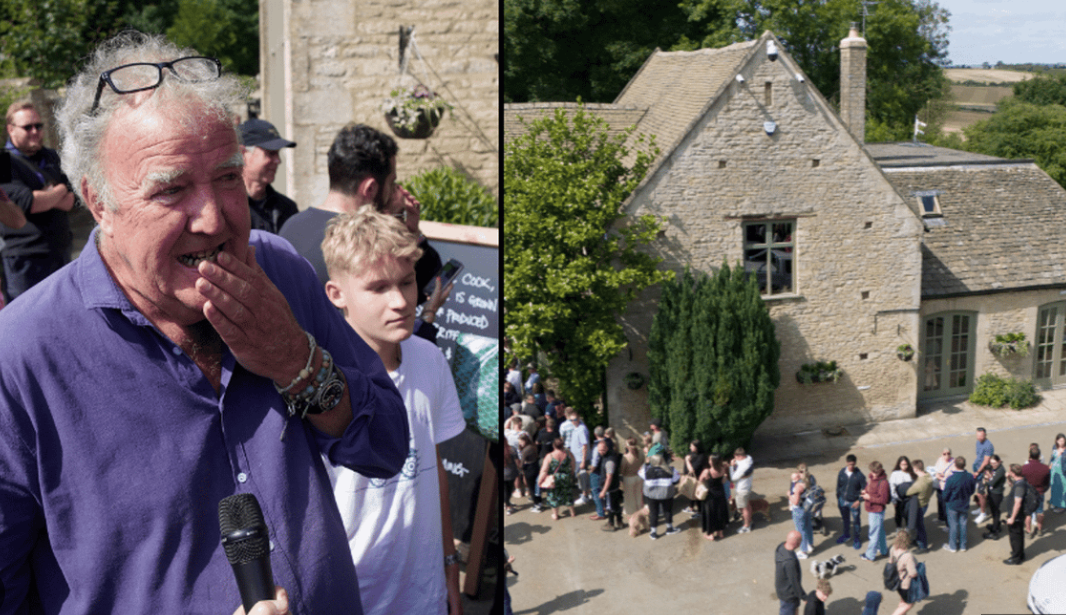
For years, Diddly Squat Farm has been more than just a backdrop for Jeremy Clarkson’s comedic farming adventures—it has become an unexpected financial and cultural phenomenon. While viewers have delighted in the antics, mishaps, and the dry humour that Clarkson brings to each episode of Clarkson’s Farm, the farm itself has quietly accrued a value that far exceeds most expectations. Recent estimates suggest that Diddly Squat, spanning nearly 1,000 acres in the Oxfordshire Cotswolds, could be worth tens of millions of pounds, leaving fans astonished at the true scale of Clarkson’s rural enterprise.
The valuation of Diddly Squat is not based solely on its land or crops. The farm’s real power lies in its multifaceted operations, which combine traditional agriculture, livestock, and high-profile media exposure. Clarkson’s approach has turned what would typically be a modest Cotswolds farm into a public attraction, generating revenue streams far beyond the standard output of barley, wheat, and sheep. The addition of the Diddly Squat Farm Shop, The Farmer’s Dog pub, and merchandise sales has transformed the property into a commercial hub, capturing the imaginations of both fans and tourists. Analysts estimate that when factoring in visitor spending, product sales, and Clarkson’s Amazon Prime Video deals, the farm’s operational worth could easily surpass £25 million, a figure that would have seemed implausible just a few years ago.
Clarkson’s Farm has also changed the way people perceive the value of rural properties. The Cotswolds, long prized for picturesque landscapes and traditional farming heritage, have been elevated in the public eye thanks to Clarkson’s unique media presence. The farm’s value is amplified not just by its physical assets, but by the brand that Clarkson has created around it. The show’s global popularity means Diddly Squat has become more than a piece of farmland—it is an iconic location that generates attention, engagement, and direct commercial interest. Analysts predict that its brand potential alone could justify a premium, as fans increasingly flock to the area for experiences associated with Clarkson’s antics and farm-related events.
Despite the farm’s soaring value, Clarkson’s own financial strategy has been surprisingly pragmatic. Interviews reveal that while he is acutely aware of Diddly Squat’s worth, his investments focus on long-term sustainability and operational improvements rather than short-term gains. From updating farm machinery to experimenting with novel crop rotations, Clarkson and his team—led by farm manager Kaleb Cooper—are actively modernizing the farm while maintaining its rustic appeal. This careful balance ensures that Diddly Squat can continue generating both traditional agricultural output and media-driven revenue streams without losing its core identity. Analysts suggest that this dual approach is a key factor in the farm’s unexpected valuation and positions Clarkson to leverage future commercial opportunities in ways that other rural properties could not.
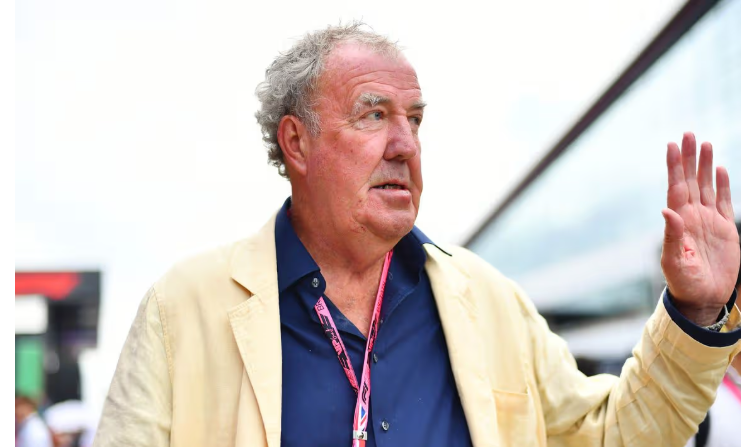
Looking ahead to Season 5 of Clarkson’s Farm, several potential developments could further increase the farm’s value. With the recent announcement of a new 1,000-hectare expansion project, Clarkson has signaled his intent to push into more diversified operations. This may include new agricultural ventures, eco-tourism initiatives, or additional public attractions designed to complement the existing farm shop and pub. If executed successfully, this expansion could transform Diddly Squat from a beloved television setpiece into a fully-fledged agricultural empire, capable of generating multimillion-pound revenues annually. The combination of Clarkson’s media influence and strategic business planning suggests that the farm’s financial trajectory is only set to rise.
Moreover, the social impact of the farm cannot be underestimated. Diddly Squat has become a case study in how media exposure can radically enhance the economic and cultural footprint of a rural property. The farm’s success highlights the intersection of entertainment, agriculture, and branding, offering lessons for farmers and entrepreneurs alike. Clarkson’s decision to open the pub and merchandise lines, along with festival appearances and community engagement, has demonstrated that value is not determined solely by physical assets or yield but by the ability to create a compelling narrative that resonates with audiences worldwide. Analysts predict that this kind of brand-driven valuation will continue to redefine perceptions of what constitutes a high-value farm in the 21st century.
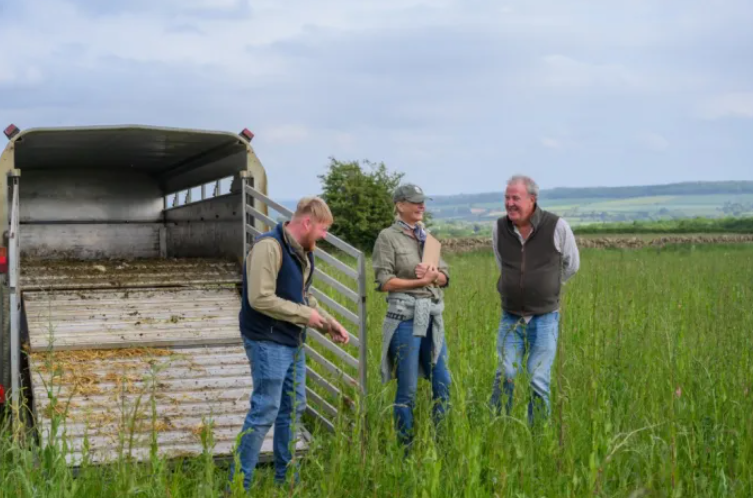
Finally, the human element should not be overlooked. Clarkson’s team, from Kaleb Cooper to Charlie Ireland and Harriet Cowan, have played a crucial role in translating chaotic farm life into a successful and financially viable operation. Their efforts, combined with Clarkson’s personality-driven media appeal, have transformed Diddly Squat into a sustainable business model that merges entertainment with real-world agriculture. For fans, the farm’s value is not just monetary—it is a symbol of resilience, creativity, and the potential to turn even the most unlikely endeavors into a global phenomenon. As Season 5 approaches, all eyes will be on Diddly Squat, not just for the comedy and mishaps, but for the ways in which Clarkson continues to redefine what it means to run a modern farm in the public eye.
In conclusion, the revelation of Diddly Squat Farm’s true value underscores a broader truth about the intersection of media, agriculture, and branding. Jeremy Clarkson’s property is more than a farm; it is a powerful demonstration of how personality, visibility, and innovation can elevate an otherwise ordinary rural asset into a multimillion-pound enterprise. For fans of Clarkson’s Farm and observers of the UK agricultural market alike, the figures may be surprising, but they reflect a carefully constructed success story that has only just begun to show its potential.